
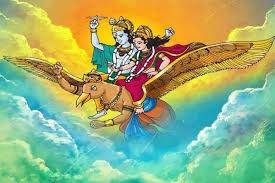
According to Garuda Purana, These Rules Must Be Followed During Pitru Paksha
Introduction
According to Garuda Purana Indian culture and tradition are deeply rooted in spirituality, rituals, and dharmic practices. Among the many sacred observances that form the foundation of Sanatan Dharma, Pitru Paksha holds a unique place. This 16-day lunar period, dedicated to honoring and appeasing ancestors, is considered crucial for ensuring peace and prosperity in a family.
The Garuda Purana, one of the major Mahapuranas, sheds significant light on Pitru Paksha. It prescribes rules, rituals, and dos and don’ts that devotees must follow during this period. The belief is that during Pitru Paksha, the souls of ancestors (Pitrs) descend to the earthly realm to receive offerings from their descendants. If satisfied, they bless the family with happiness, prosperity, and liberation from obstacles. If neglected, they may withdraw their blessings, resulting in difficulties in life.
In this blog, we will explore the concept of Pitru Paksha, its significance, the teachings of the Garuda Purana, and the rules that every follower of Sanatan Dharma should observe during this sacred fortnight.
Understanding Pitru Paksha
What is Pitru Paksha?
Pitru Paksha, literally meaning “fortnight of the ancestors”, falls in the Krishna Paksha (waning phase of the moon) of the month of Bhadrapada (September–October) according to the Hindu lunar calendar. It lasts for 16 lunar days, with each day dedicated to performing Shraddha rituals for departed souls.
Why is it Important?
- It is believed that ancestors, in their subtle bodies, descend to the earth during this period.
- Offerings made during Pitru Paksha—like food, water, and charity—help satisfy their souls.
- Performing Shraddha ensures that the karmic debts (Pitru Rin) towards ancestors are cleared.
- Without Shraddha, even the most devout rituals for deities are considered incomplete.
The Garuda Purana, a conversation between Lord Vishnu and Garuda, emphasizes that neglecting ancestral rituals is one of the biggest adharma (irreligious acts).
Teachings of Garuda Purana About Pitru Paksha
The Garuda Purana contains detailed chapters on death, afterlife, the journey of the soul, and rituals for the deceased. It explains that:
- Ancestors reside in Pitru Loka, a realm between earth and heaven.
- During Pitru Paksha, they descend to earth to bless their descendants.
- If offerings are not made, the soul of the ancestor may remain unsatisfied and restless.
- Proper rituals grant Pitru Shanti (peace to ancestors) and Pitru Kripa (ancestral blessings).
The Purana lays down several rules for devotees to follow during this time, ensuring that rituals are performed correctly and with devotion.
Rules to Follow During Pitru Paksha According to Garuda Purana
Here are the essential rules described in the Garuda Purana, elaborated with their deeper meaning:
1. Perform Shraddha with Devotion
The primary duty during Pitru Paksha is to perform Shraddha and Tarpan rituals.
- Shraddha involves offering food (Pinda Daan) and water to ancestors.
- Rice, black sesame seeds, barley, and Kusha grass are used in the rituals.
- Devotion (shraddha bhakti) is more important than material wealth while performing the rituals.

2. Feed Brahmins, Cows, and the Needy
Garuda Purana emphasizes that feeding Brahmins, cows, and the poor during Pitru Paksha is equivalent to feeding the ancestors themselves.
- Brahmins are invited to recite mantras and accept offerings.
- Cows are considered sacred and symbolic of dharma.
- Charity to the needy ensures punya (virtue).
3. Maintain Purity and Simplicity
During Pitru Paksha, devotees must maintain personal purity:
- Take an early morning bath.
- Wear clean, simple clothes (preferably white).
- Avoid perfumes, ornaments, and luxury.
The focus should remain on humility and devotion, not on outward appearances.
4. Offer Pinda (Rice Balls)
The Pinda Daan is the most important ritual. Rice balls mixed with sesame seeds, honey, ghee, and milk are offered to the ancestors.
- These offerings are believed to reach the departed souls.
- The Garuda Purana says that Pinda Daan helps ancestors achieve satisfaction and liberation.
5. Avoid Certain Foods
Food restrictions are strongly mentioned in the Garuda Purana during Pitru Paksha:
- Do not eat non-vegetarian food.
- Avoid onion, garlic, alcohol, and stale food.
- Meals should be simple, sattvic, and freshly prepared.
6. Respect Elders and Family
Pitru Paksha is not only about honoring departed ancestors but also about showing respect to living elders.
- Serving and seeking blessings from parents and grandparents is equal to performing Shraddha.
- Arguments, anger, and disrespect at home must be avoided.

7. Refrain from Auspicious Activities
Garuda Purana clearly instructs that during Pitru Paksha:
- No new ventures, marriages, or housewarming ceremonies should be performed.
- This period is dedicated to remembrance of ancestors, not celebration.
- Auspicious activities are best postponed until after Pitru Paksha.
8. Charity and Daan (Donations)
Giving donations during Pitru Paksha is considered highly virtuous. Items to donate include:
- Clothes, food grains, utensils, and cows.
- Donations must be given with respect and without pride.
The Garuda Purana explains that daan helps ancestors in their journey in the afterlife.
9. Perform Tarpan with Water and Sesame Seeds
Tarpan is performed by offering water mixed with black sesame seeds, barley, and kusha grass.
- This ritual quenches the thirst of the souls of ancestors.
- It also purifies the karmic link between ancestors and descendants.
10. Observe Fasting and Control Desires
The Purana prescribes self-control during Pitru Paksha:
- Fasting, partial fasting, or eating once a day is recommended.
- Desires, anger, greed, and lust should be restrained.
- The period should be devoted to prayer and remembrance.
Symbolic and Spiritual Significance
- Food for the Soul: The offerings symbolize nourishment for the soul in its subtle form.
- Clearing Pitru Rin: Every human is believed to be born with three debts—towards gods, sages, and ancestors. Pitru Paksha clears the debt to ancestors.
- Family Unity: The rituals remind families of their lineage and heritage.
- Karmic Balance: It creates a karmic balance by honoring those who paved the way for our existence.
Stories from Garuda Purana About Ancestors
Several stories in the Garuda Purana highlight the importance of Pitru Paksha:
- A king once neglected Shraddha rituals, and his kingdom faced drought and disease. Only after performing Pinda Daan with devotion did peace return.
- Another tale describes a man who regularly performed Tarpan but with arrogance. His ancestors remained unsatisfied until he performed the rituals humbly.
These stories emphasize faith, devotion, and humility as the key to ancestral blessings.
Common Mistakes to Avoid
The Garuda Purana warns against several mistakes:
- Performing Shraddha without faith.
- Offering stale food.
- Ignoring charity.
- Mocking or insulting Brahmins during rituals.
- Engaging in arrogance, anger, or violence during Pitru Paksha.
Modern Relevance of Pitru Paksha
While urban lifestyles have made rituals difficult for many, the essence of Pitru Paksha is timeless:
- Remembering one’s roots.
- Honoring those who came before us.
- Practicing gratitude and humility.
Even if elaborate rituals cannot be performed, simple acts like praying, offering water, and helping the needy during this period fulfill the spiritual purpose.
Conclusion
The Garuda Purana provides a detailed framework for observing Pitru Paksha, highlighting the need for devotion, purity, charity, and humility. By following these rules, devotees not only honor their ancestors but also strengthen their spiritual foundation, ensure family harmony, and receive blessings for prosperity and peace.
Pitru Paksha is not merely a ritual—it is a reminder of the cyclical bond of life, death, and rebirth, and the eternal connection between ancestors and descendants.
When we remember and respect those who came before us, we align ourselves with the very roots of dharma and spirituality.
read more news

