

Yoga Guru Baba Ramdev on Donald Trump: “In a Few Days, Trump Will Also Be in Trouble” — A Statement That Sparks Global Debate
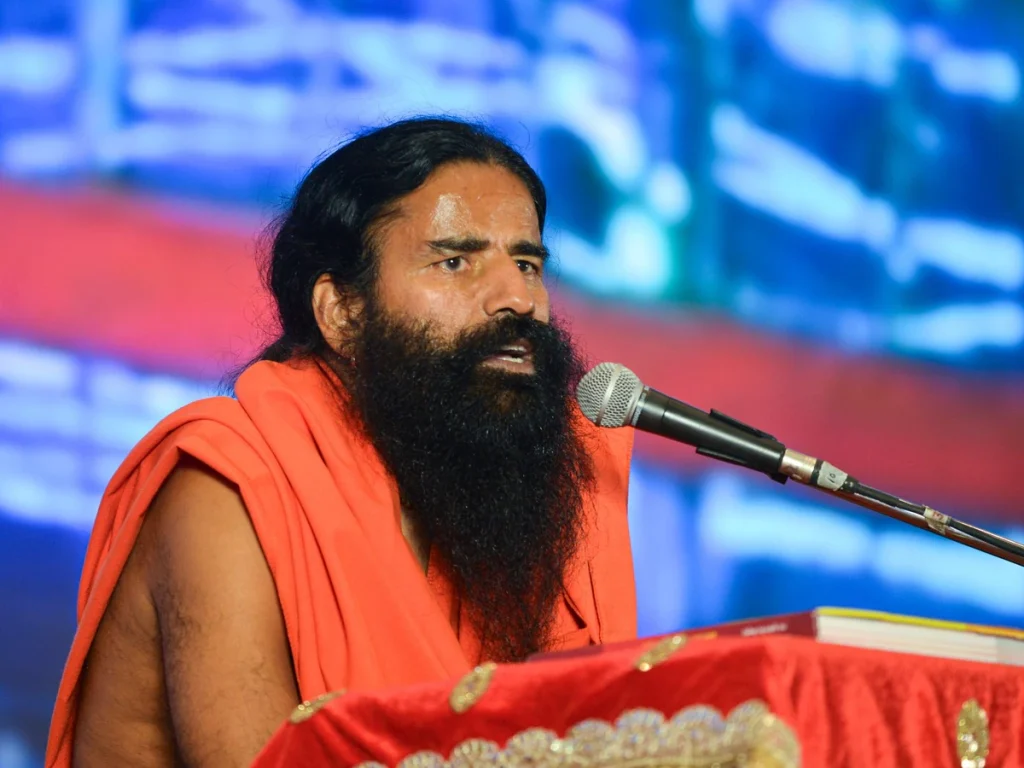
Yoga guru and Patanjali founder Baba Ramdev is no stranger to controversy. Known for his outspoken views on politics, economics, health, and global affairs, Baba Ramdev has often made statements that go beyond yoga and Ayurveda. Recently, one such remark has attracted widespread attention both in India and internationally. Baba Ramdev, while commenting on global political developments, made a striking statement about former US President Donald Trump, saying, “In a few days, Trump will also be in trouble.”
The comment has sparked intense discussion across political circles, media platforms, and social networks. What exactly did Baba-Ramdev mean? Was it a political prediction, a spiritual observation, or a critique of global power structures? This blog explores the context, implications, reactions, and broader significance of Baba Ramdev’s statement on Donald Trump.
Baba Ramdev Beyond Yoga and Ayurveda
Baba Ramdev rose to prominence as a yoga guru who popularized yoga among millions in India and abroad. Over time, he evolved into a public figure whose influence extends into business, politics, nationalism, and global affairs. Through Patanjali, he built a massive consumer goods empire, positioning himself as a symbol of self-reliance and indigenous enterprise.
His growing influence has also brought increased scrutiny. Baba Ramdev frequently comments on national and international issues, often blending spiritual philosophy with political commentary. His statement on Donald Trump is part of this broader pattern of engaging with global power dynamics.
The Statement That Triggered Headlines
During a public interaction, Baba-Ramdev remarked that Donald Trump would soon face trouble, suggesting that powerful leaders are not immune to consequences. Though the statement was brief, its implications were far-reaching.
Donald Trump, one of the most polarizing political figures in recent history, continues to dominate headlines even after his presidency. Legal challenges, political controversies, and internal divisions within American politics have kept Trump in constant public focus. Baba Ramdev’s remark appeared to tap into this ongoing turbulence.

Interpreting Baba Ramdev Words
The ambiguity of Baba Ramdev’s statement is one reason it gained so much attention. Some interpreted it as a political prediction linked to Trump’s legal troubles, while others viewed it as a philosophical observation about arrogance, power, and karma.
Baba Ramdev has often spoken about the inevitability of accountability, arguing that no individual—regardless of wealth or power—can escape the consequences of their actions. From this perspective, his comment on Trump may not have been a specific forecast but a broader moral assertion.
Donald Trump’s Global Image and Ongoing Challenges
Donald Trump’s presidency reshaped global politics. His “America First” doctrine altered US relations with allies and rivals alike. While supporters praise him for challenging the establishment, critics accuse him of deepening divisions and undermining democratic norms.
Even after leaving office, Trump has remained politically active. However, he has also faced multiple legal challenges, investigations, and political setbacks. In this context, Baba Ramdev’s comment seemed to resonate with existing narratives about Trump’s uncertain future.
Spiritual Lens: Power, Ego, and Consequences
Baba Ramdev often frames his worldview through spiritual principles drawn from Indian philosophy. According to these ideas, excessive ego and misuse of power eventually lead to downfall. Leaders who prioritize personal ambition over collective welfare, he argues, invite trouble.
Seen through this lens, Baba Ramdev’s remark about Trump aligns with his broader belief system. It reflects the idea that global leaders must act with humility and responsibility, or face inevitable consequences.
Political Reactions in India
In India, reactions to Baba Ramdev’s statement were mixed. Supporters viewed it as a bold truth spoken fearlessly, while critics accused him of making sensational remarks for attention.
Political analysts noted that Baba Ramdev’s comments often blur the line between spiritual guidance and political commentary. While he is not an elected leader, his influence allows his statements to shape public discourse.
International Attention and Media Coverage
International media outlets also picked up the remark, especially because it came from a prominent Indian public figure. Some Western commentators dismissed it as rhetoric, while others highlighted it as an example of how Trump’s global image continues to attract commentary from unexpected quarters.
The statement also underscored how interconnected global discourse has become. A comment made in India can quickly become part of international political conversations.
Baba Ramdev and Global Power Structures
Baba Ramdev has repeatedly criticized what he describes as exploitative global systems dominated by a few powerful nations and corporations. He often speaks against unchecked capitalism, pharmaceutical monopolies, and political dominance.
From this perspective, his comment on Trump can be seen as part of a larger critique of global power imbalance. Trump, as a symbol of Western political authority, becomes a focal point in this narrative.
Supporters See a Warning, Critics See Overreach
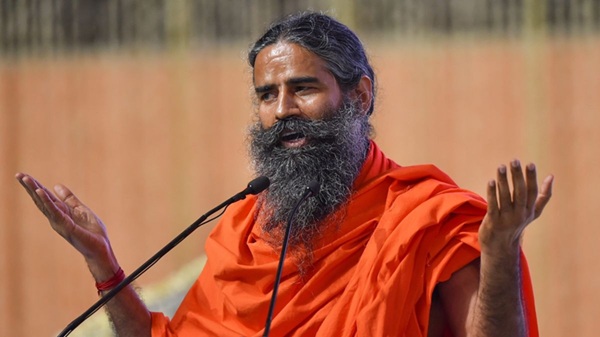
Supporters of Baba Ramdev argue that he is merely voicing what many already believe—that powerful leaders eventually face accountability. They see his statement as a warning rooted in ethical principles.
Critics, however, argue that such remarks oversimplify complex political realities. They question whether a spiritual leader should make speculative comments about international politics, especially about another country’s leadership.
The Role of Spiritual Leaders in Political Discourse
Baba Ramdev’s statement raises a larger question: what role should spiritual leaders play in political discourse? In India, spiritual figures have historically influenced social and political movements, from the freedom struggle to contemporary debates.
Supporters argue that spiritual leaders offer moral guidance, while critics caution against mixing spirituality with political predictions. Baba Ramdev’s remark on Trump sits at the center of this debate.
Trump as a Symbol, Not Just an Individual
For many observers, Donald Trump represents more than a single political figure. He symbolizes populism, anti-establishment sentiment, and political polarization. Baba Ramdev’s comment may therefore be interpreted as a critique of a broader political trend rather than an individual.
In this sense, the statement reflects a global unease with aggressive nationalism and confrontational leadership styles.
Social Media Reaction and Public Debate
Social media platforms quickly amplified Baba Ramdev’s comment. Supporters shared clips praising his “fearless truth,” while critics mocked the statement as speculative.
The polarized reaction mirrors the global divide over Trump himself. Even a brief comment was enough to reignite debates about leadership, accountability, and morality.
Baba Ramdev’s History of Controversial Statements
This is not the first time Baba Ramdev has made headlines with bold remarks. From criticizing multinational corporations to commenting on government policies, he has often courted controversy.
His supporters see him as a nationalist voice unafraid to challenge powerful interests. Critics accuse him of overstepping his domain. His comment on Trump fits squarely within this pattern.
The Broader Message: Power Is Temporary
At its core, Baba Ramdev’s statement seems to emphasize one key idea: power is temporary, and accountability is inevitable. Whether applied to Trump or any other global leader, this message resonates across cultures.
History is filled with examples of powerful figures who fell from grace. Baba Ramdev’s comment taps into this historical reality, reminding audiences that no leader is invincible.
Implications for India–US Perceptions
While the comment does not reflect official Indian policy, it highlights how individual voices can influence perceptions. India–US relations are shaped by diplomatic channels, but public discourse also plays a role.
Analysts note that such remarks are unlikely to affect formal relations but do contribute to the broader narrative around global leadership and accountability.
Conclusion: A Statement That Goes Beyond Trump
Baba Ramdev’s remark that “in a few days, Trump will also be in trouble” is more than a comment about one man. It reflects a worldview rooted in moral accountability, skepticism of unchecked power, and belief in eventual justice.
Whether one agrees or disagrees, the statement has succeeded in sparking discussion—about Donald Trump, global leadership, and the role of spiritual voices in political debates. In an interconnected world, such remarks remind us that power, politics, and public opinion are deeply intertwined.
As global events continue to unfold, only time will determine how accurate Baba Ramdev’s words prove to be. What remains certain is that his statement has added yet another chapter to the ongoing global conversation about power, responsibility, and the future of political leadership.
Read More latest news

