
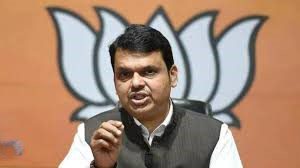
CM Devendra Fadnavis: The Sole Active Maharashtra Minister?
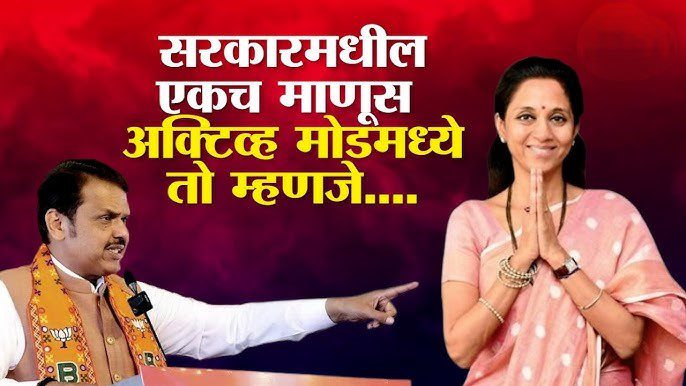
CM Devendra Fadnavis Maharashtra politics has always been a hotbed of intense debates and fiery exchanges, and the latest statement from NCP leader Supriya Sule has once again set the stage for a political showdown. In a scathing critique of the state government, Sule remarked that Chief Minister Devendra Fadnavis is the “only Maharashtra minister in active mode,” implying that other ministers in the state cabinet are not pulling their weight. Her comments have not only stirred controversy but also reignited discussions about governance, political accountability, and the dynamics within the Maharashtra government.
This blog delves into the implications of Supriya Sule’s statement, analyzes the performance of the Fadnavis-led administration, and explores how such remarks shape the political narrative in Maharashtra.
Understanding Supriya Sule’s Critique
The Context of the Remark
CM Devendra Fadnavis Supriya Sule’s statement came during a public address in her constituency. Known for her sharp political acumen and eloquence, Sule did not hold back as she accused the Maharashtra cabinet of being largely inactive, with Fadnavis bearing the brunt of responsibilities. She stated, “It feels like CM Devendra Fadnavis is running the government single-handedly. The other ministers are either absent or not contributing as they should.”
What Prompted the Criticism?
The remark was likely spurred by recent governance challenges in Maharashtra, including:
- Delayed implementation of key projects: Critics have pointed out slow progress on infrastructure, health, and education initiatives.
- Inefficient disaster response: Maharashtra has faced criticism for its handling of floods and other natural calamities.
- Political infighting: The government has been accused of prioritizing internal disputes over governance.
CM Devendra Fadnavis: A One-Man Army?
Fadnavis’s Leadership Style
CM Devendra Fadnavis, known for his dynamic leadership, has garnered praise for his hands-on approach to governance. Whether it is spearheading infrastructure projects like the Mumbai Metro or addressing pressing issues like farmers’ grievances, Fadnavis has often been at the forefront.
Achievements Under His Leadership
- Infrastructure Development:
- Key projects like the Samruddhi Mahamarg expressway and metro rail expansion have seen significant progress.
- CM Devendra Fadnavis has personally overseen these projects, often bypassing bureaucratic delays.
- Law and Order:
- Maharashtra has maintained relative stability under his leadership, with efforts to curb organized crime and improve policing.
- Economic Growth Initiatives:
- The state has attracted significant investments, with Fadnavis actively engaging with industrial leaders and global investors.
Challenges Faced
While CM Devendra Fadnavis has been proactive, his government has also faced criticism for:
- Rural distress: Farmers continue to struggle with debt and low crop prices.
- Urban congestion: Despite infrastructure projects, urban areas like Mumbai still grapple with overcrowding and inadequate public services.
Inactive Ministers: Perception vs. Reality
Is the Cabinet Really Inactive?
Sule’s critique has raised valid questions about the role of other ministers in the Fadnavis administration. Some argue that:
- Lack of visibility: Ministers are less visible in public and media engagements compared to the CM.
- Delegation issues: Fadnavis’s dominant leadership style may leave little room for others to take initiative.
The Role of Individual Ministers
Several ministers in the Maharashtra cabinet hold critical portfolios. However, their contributions often go unnoticed due to the overshadowing presence of the CM.
- Finance and Planning:
- The Finance Minister has faced scrutiny for budget allocations and delays in releasing funds for developmental projects.
- Health and Education:
- Despite efforts to improve healthcare infrastructure and literacy rates, these sectors continue to face challenges.
- Rural Development:
- Initiatives for rural upliftment have been slow, fueling criticism of the government’s priorities.
The Political Implications of Sule’s Statement
Strengthening Opposition’s Narrative
CM Devendra Fadnavis Supriya Sule’s remark adds fuel to the opposition’s criticism of the government. The narrative of a “one-man show” aligns with broader accusations of centralized power and lack of collective decision-making.
Impact on Public Perception
Sule’s statement may resonate with citizens who feel disillusioned by the government’s performance. By highlighting the perceived inefficiency of the cabinet, the opposition can position itself as a viable alternative.
Intra-Government Dynamics
Such comments may also create ripples within the ruling coalition, prompting ministers to defend their contributions and possibly altering internal power dynamics.
Analyzing Supriya Sule’s Political Strategy
A Calculated Move?
Supriya Sule is not just a seasoned politician but also someone who understands the pulse of Maharashtra’s electorate. Her statement serves multiple purposes:
- Targeting the BJP: By singling out Fadnavis, she indirectly critiques the BJP’s governance model.
- Rallying the Opposition: Such remarks can unify opposition parties against a common adversary.
- Positioning Herself: Sule’s assertive critique underscores her leadership capabilities, strengthening her position within the NCP and the broader political landscape.
Public Reaction and Media Coverage
Citizens’ Response
Public opinion on Sule’s statement has been mixed. While some agree that the cabinet needs to be more proactive, others view it as political mudslinging. Social media platforms have been abuzz with debates, reflecting a divided sentiment.
Media Analysis
News outlets have extensively covered the remark, with panel discussions and editorials analyzing its implications. Some media narratives focus on the validity of Sule’s critique, while others highlight the challenges of governance in a coalition setup.
Future Implications for Maharashtra Politics
- Increased Accountability:
Sule’s comments may push the government to showcase the contributions of individual ministers more prominently. - Heightened Political Rhetoric:
The remark sets the tone for more aggressive exchanges as Maharashtra gears up for upcoming elections. - Focus on Governance:
Both the ruling coalition and the opposition may shift their focus to addressing key governance issues to win public favor.
Conclusion
Supriya Sule’s statement that CM Devendra Fadnavis is the “only Maharashtra minister in active mode” has sparked a crucial conversation about governance and political accountability in the state. While Fadnavis’s proactive approach is undeniable, the perception of an inactive cabinet raises valid concerns about collective leadership and the efficiency of the administration.
As the political landscape evolves, such debates will continue to shape public opinion and influence electoral outcomes. For now, the onus is on the Maharashtra government to address these criticisms and demonstrate that it operates as a cohesive and effective team.
Read more Latest News

