
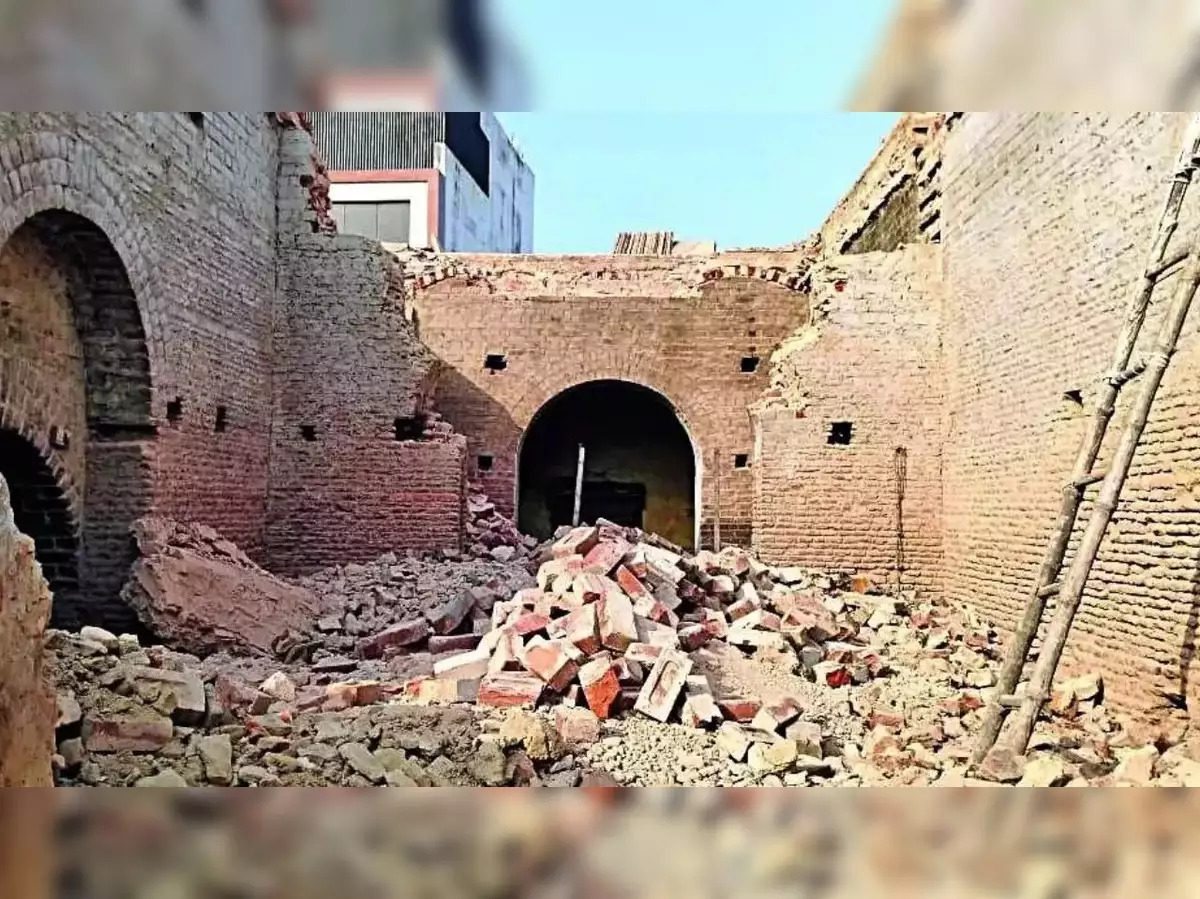
Agra’s 17th Century Mubarak Manzil Razed by ‘Builder’: A Cultural Heritage Lost
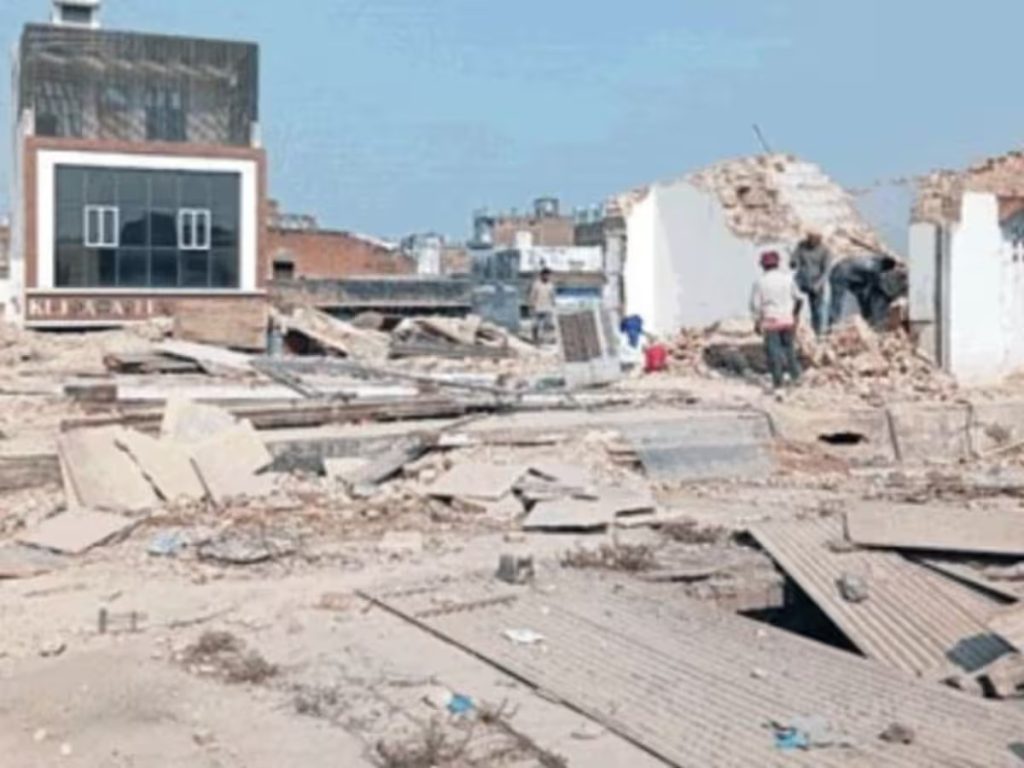
Agra, a city synonymous with the grandeur of Mughal architecture and history, has once again witnessed the destruction of a significant piece of its rich cultural tapestry. The 17th-century Mubarak Manzil, a historic structure that stood as a testament to Agra’s illustrious past, has reportedly been demolished by a builder, sparking outrage among historians, conservationists, and local citizens.
This article delves into the history of Mubarak Manzil, the circumstances surrounding its demolition, the broader implications for India’s heritage preservation, and the urgent need for legal and societal reforms to safeguard historical monuments.
The History of Mubarak Manzil
Mubarak Manzil, constructed during the 17th century, was a remarkable example of Mughal-era architecture.
A Historical Gem
- Architectural Significance: Built in the Indo-Islamic style, Mubarak Manzil featured intricate carvings, arched windows, and an expansive courtyard.
- Cultural Importance: The structure was believed to have been commissioned by a prominent noble of Emperor Shah Jahan’s court, serving as a residence and later a social hub for gatherings.
- Symbol of Agra’s Legacy: It stood as a reminder of Agra’s pivotal role during the Mughal Empire, alongside iconic monuments like the Taj Mahal and Agra Fort.
Deterioration Over Time
While Mubarak Manzil survived centuries of political and social change, neglect, and lack of maintenance had left it vulnerable. Local residents often lamented the government’s indifference to its preservation.
The Demolition Incident
Reports suggest that Mubarak Manzil was demolished by a private builder under controversial circumstances.
Alleged Irregularities
- Ownership Dispute: The land on which Mubarak Manzil stood was allegedly sold to the builder under murky conditions.
- Illegal Construction: Conservationists claim the demolition was carried out without proper permissions, violating heritage laws.
- Government Inaction: Despite its historical significance, Mubarak Manzil was not listed as a protected monument by the Archaeological Survey of India (ASI), leaving it vulnerable to exploitation.
Public Outrage
The demolition triggered widespread anger, with historians, activists, and locals taking to social media and the streets to protest the loss of a historical treasure.
The Broader Implications
The destruction of Mubarak Manzil highlights critical issues in heritage preservation and urban development.
Failure of Heritage Laws
India’s existing laws for heritage protection, such as the Ancient Monuments and Archaeological Sites and Remains Act (AMASR), have limitations:
- Narrow Scope: Only monuments explicitly listed as protected are safeguarded.
- Poor Enforcement: Violations often go unpunished, emboldening encroachments and illegal demolitions.
Urbanization vs. Preservation
The rapid expansion of cities like Agra has placed immense pressure on historical sites, often leading to their neglect or destruction.
- Builder Lobby Influence: Powerful real estate interests frequently clash with conservation efforts, with heritage taking a backseat.
- Lack of Urban Planning: Absence of integrated planning exacerbates the conflict between development and preservation.
Voices of Protest
Prominent figures from various fields have condemned the demolition and called for accountability.
Historians and Conservationists
- Loss of Legacy: Historian Irfan Habib remarked, “Mubarak Manzil was not just a structure but a living chapter of our history. Its destruction is a collective failure.”
- Call for Action: Conservationist Ratish Nanda urged stricter enforcement of heritage laws to prevent such incidents in the future.
Local Citizens
Residents of Agra expressed deep sorrow and frustration over the loss of Mubarak Manzil, describing it as a blow to their cultural identity.
Legal Activism
Public interest litigations (PILs) have been filed, demanding action against those responsible for the demolition and stricter measures to protect unlisted heritage sites.
The Role of Government and ASI
Critics have accused the government and ASI of negligence in protecting Mubarak Manzil.
Policy Gaps
- Lack of Comprehensive Listing: Many historically significant structures remain unlisted and unprotected.
- Insufficient Funding: Conservation efforts are often underfunded, leaving historical sites in disrepair.
- Weak Oversight: Limited resources and manpower hinder effective monitoring of heritage sites.
Need for Reform
- Expanding Protections: Experts advocate for broader legal definitions of heritage to include unlisted monuments.
- Community Involvement: Local stakeholders should be actively engaged in preservation efforts.
International Comparisons and Best Practices
Countries like Italy and France offer valuable lessons in heritage conservation.
- Comprehensive Registries: Detailed inventories of all historical structures ensure broader protection.
- Strict Penalties: Heavy fines and criminal charges deter illegal actions against heritage sites.
- Sustainable Urban Planning: Integration of heritage preservation into urban development policies ensures coexistence.
The Way Forward
The destruction of Mubarak Manzil serves as a wake-up call for India to rethink its approach to heritage conservation.
Legal and Policy Measures
- Heritage Impact Assessments: Mandatory evaluations before any construction near historical sites.
- National Heritage Registry: Comprehensive listing of all historical structures, irrespective of their current status.
- Strengthened Enforcement: Empowering ASI and other bodies with greater authority to prevent illegal activities.
Raising Awareness
Public campaigns can foster a sense of collective responsibility for heritage preservation.
Leveraging Technology
- Digital Archiving: Creating detailed digital records of all historical sites.
- Monitoring Systems: Using drones and AI to monitor sites for unauthorized activities.
Conclusion
The loss of Mubarak Manzil is a stark reminder of the fragile state of India’s heritage in the face of urbanization and inadequate protections. While the structure may be gone, its destruction should not be in vain. It must serve as a catalyst for systemic change, ensuring that no other piece of history meets a similar fate.
Preserving the past is not just about saving buildings; it is about honoring the stories, culture, and identity that define us. For Agra, for India, and for the world, Mubarak Manzil must not become just another forgotten casualty of progress.
Read More Latest news

