
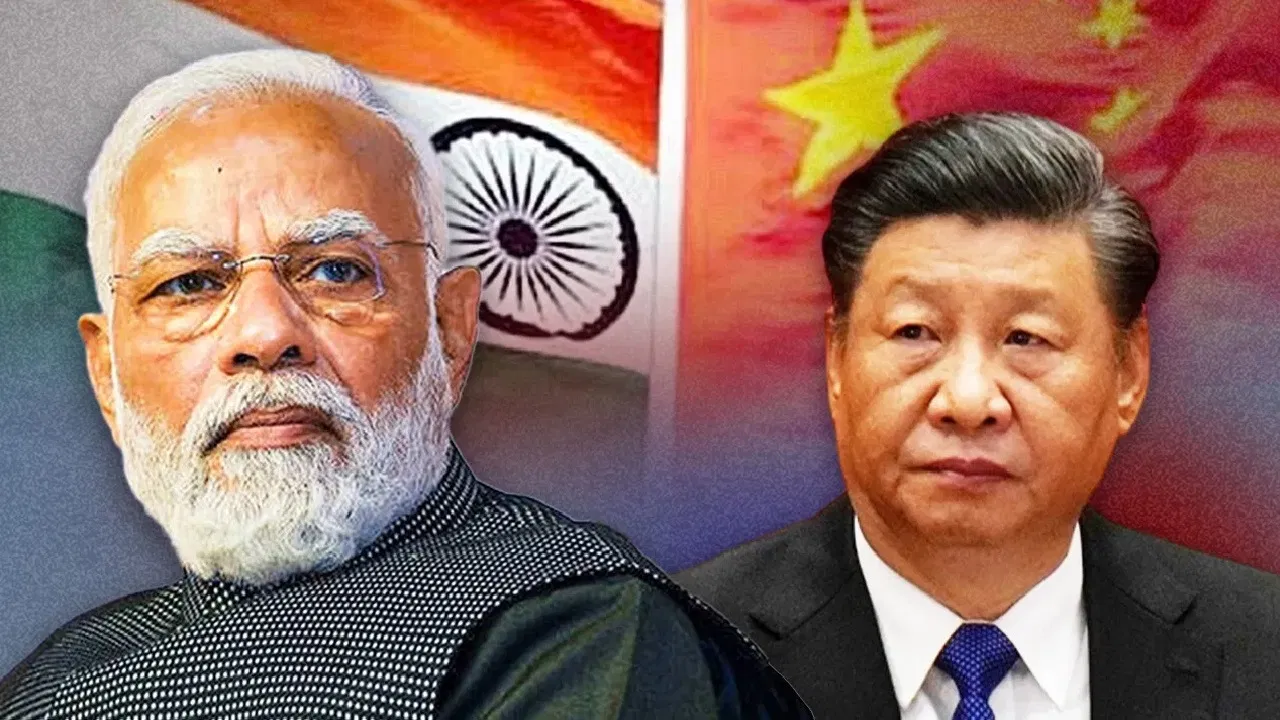
Good news came from India-China border, China said a big thing on Ladakh.
Introduction: A Ray of Hope from the Himalayas
India-China border After years of tense standoffs, strained diplomacy, and multiple rounds of military negotiations, a positive development has emerged from the India-China border. Beijing has recently made a major statement regarding the Ladakh region, signaling an intention to work toward peace, stability, and mutual understanding. This comes as a refreshing change after nearly five years of heightened tensions following the Galwan Valley clash of 2020, which marked one of the most serious confrontations between the two Asian giants in decades.
The latest statement from the Chinese government indicates a possible shift in its stance, suggesting a willingness to resolve outstanding border issues through dialogue and cooperation. For India-China border, this is both a diplomatic and strategic opportunity — a moment that could reshape the narrative of conflict into one of cautious optimism.
In this blog, we explore what this new development means, how it fits into the larger context of India-China border relations, and what the future may hold for the two most populous nations in the world.
The Background: From Friendship to Friction
The India-China border relationship has always been complex — defined by cooperation in some areas and competition in others. While both nations share a rich civilizational history and a long border stretching over 3,400 kilometers, that very border has often been a source of disputes.
The 1959-1962 border tensions, culminating in the Sino-Indian War of 1962, left a deep scar. Since then, despite several agreements to maintain peace along the Line of Actual Control (LAC), periodic clashes and mutual suspicions have persisted.
The 2020 Galwan Valley incident, in which soldiers from both sides lost their lives, marked a significant deterioration in ties. Trust was eroded, trade and diplomatic talks suffered, and both countries strengthened their military positions in the region.
For several years, peace seemed elusive. Yet, both sides continued talks through military and diplomatic channels, underscoring that despite the tension, neither wanted a full-blown conflict.
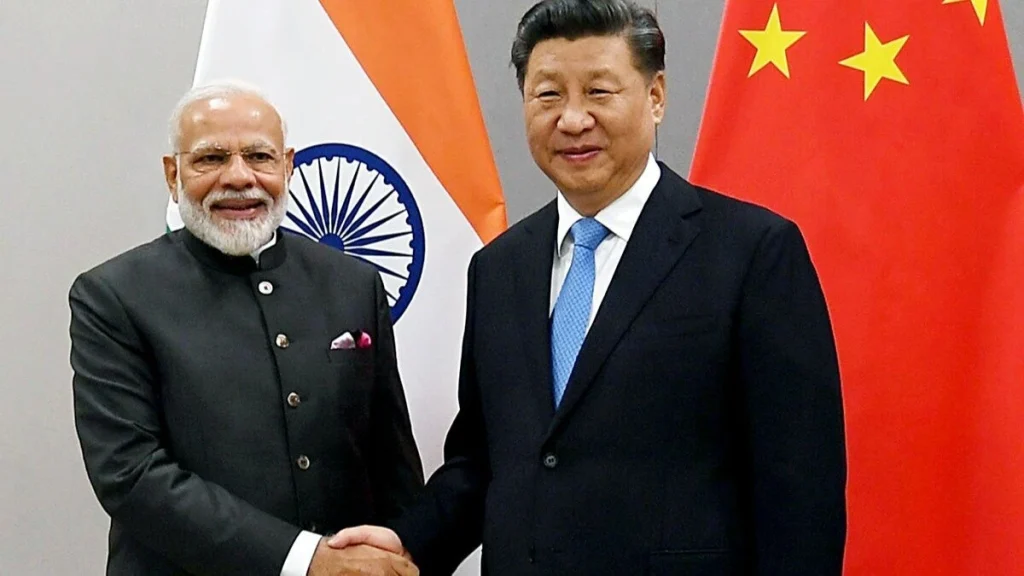
Beijing’s Statement: A Step Toward Normalcy
The latest statement from Beijing, delivered by a spokesperson for China’s Foreign Ministry, marks a potentially transformative moment. According to reports, China expressed that it is committed to maintaining “peace and tranquility along the border areas” and is willing to continue working with India-China border through established diplomatic mechanisms.
The spokesperson reportedly added,
“India-China border should view each other as partners rather than rivals. We are ready to engage in dialogue to resolve differences and safeguard peace in the border regions.”
This kind of tone — measured, constructive, and forward-looking — hasn’t been heard from Beijing in quite some time. It could indicate a recalibration of its foreign policy priorities amid global shifts, especially given the growing importance of Asian stability in an era of geopolitical uncertainty.
India’s Response: Cautious but Welcoming
New Delhi’s initial response has been measured and positive, aligning with its long-standing position that peace along the LAC is essential for normal relations. India-China border Indian officials have often emphasized that trust and stability at the border are prerequisites for cooperation in other areas such as trade, culture, and technology.
Sources in India’s Ministry of External Affairs (MEA) noted that India-China border India welcomes any sincere effort toward de-escalation but will continue to insist on complete disengagement of troops in all friction points in eastern Ladakh.
India-China border position has remained consistent:
- Peace and tranquility at the border form the foundation for normal relations.
- Dialogue and diplomacy are the only paths forward.
- Both sides must respect existing agreements and protocols.
The Significance of the Statement
Beijing’s statement is not just another diplomatic utterance; it carries strategic weight for several reasons:
- Shift in Tone: After years of silence and hardened rhetoric, China’s softer tone suggests that it may be looking for ways to ease tensions.
- Regional Stability: The Himalayan border region is critical to regional peace. Any progress here can stabilize not only bilateral ties but also influence broader Asian geopolitics.
- Economic Motives: Both India-China border are facing economic challenges. Reducing tension could help reopen trade and investment avenues, especially at a time when both are navigating global economic uncertainty.
- Geopolitical Realignment: With shifting alliances and tensions in other regions (such as the South China Sea and Taiwan Strait), China may be looking to reduce friction with India-China border India to focus on other priorities.

A Look at Past Dialogues and Agreements
Over the decades, India and China have signed several agreements to manage their border differences, including:
- 1993 Agreement on the Maintenance of Peace and Tranquility along the LAC
- 1996 Agreement on Confidence-Building Measures in the Military Field
- 2005 Agreement on the Political Parameters and Guiding Principles for the Settlement of the India-China border Boundary Question
Despite these agreements, implementation and interpretation issues have often led to mistrust. Still, these frameworks remain the backbone of ongoing talks — and the latest statement from Beijing could be a signal to revive their relevance.
The Global Context: Why Now?
Beijing’s statement doesn’t exist in a vacuum. Several global developments may be influencing its approach:
- U.S.-China Tensions: With growing rivalry between the United States and China, Beijing may see the value in reducing friction with India to avoid being diplomatically isolated in Asia.
- India’s Rising Global Role: India’s growing influence — from G20 leadership to its partnerships with the Quad (U.S., Japan, Australia) — has elevated its global stature. Engaging positively with India benefits China diplomatically.
- Economic Slowdown: China’s economy has been under pressure due to slowing growth and global trade disruptions. Peaceful ties with India could mean a revival of cross-border commerce and stability in the region.
- Energy and Infrastructure Cooperation: With India emerging as a manufacturing hub and both countries being energy-intensive economies, pragmatic cooperation could serve mutual interests.
Military Situation: The Ground Reality
While the rhetoric from Beijing is encouraging, the situation on the ground remains delicate. Both nations continue to maintain significant military presence along the LAC, and several areas of contention still exist — including Depsang Plains, Hot Springs, and Demchok.
However, in recent months, satellite imagery and reports have shown a gradual reduction in military activity in some zones, possibly indicating mutual de-escalation efforts.
Indian defense analysts caution that trust must be rebuilt carefully and that the “verification on the ground” is crucial. Words, after all, must be followed by actions.
Economic and Strategic Implications
A stable relationship between India and China could open up tremendous economic opportunities. Before the 2020 clashes, China was one of India’s top trading partners. Even after tensions, bilateral trade has continued to grow, crossing $136 billion in 2024, though heavily skewed in China’s favor.
If peace prevails, India could push for a more balanced trade relationship, encouraging technology exchange, infrastructure partnerships, and tourism. For China, maintaining economic ties with a fast-growing India makes strategic sense, especially amid Western trade restrictions.
Moreover, border stability allows India to focus more on domestic priorities and maritime security rather than heavy land deployments, freeing up strategic and economic resources.
The Human Side: People-to-People Impact
Beyond politics and economics, peace along the border carries immense human significance. Border communities in Ladakh, Arunachal Pradesh, and other regions have faced disruptions due to tensions.
Improved relations could lead to:
- Enhanced infrastructure development in border villages.
- Growth of cross-border trade and tourism.
- Revival of cultural exchanges and academic collaboration.
Both nations, with their ancient civilizations, can benefit immensely from soft power diplomacy — promoting art, culture, and education as bridges of friendship.
Challenges That Still Remain
While the optimism is real, challenges persist:
- Trust Deficit: Years of hostility have left scars on both sides. Rebuilding confidence will take time and consistent effort.
- Strategic Competition: Both countries have overlapping interests in South Asia, the Indian Ocean, and the Indo-Pacific, making rivalry inevitable.
- Infrastructure Race: Both nations continue to expand infrastructure along the border, often seen as provocative by the other side.
- Third-Party Influence: Global powers often play a role in shaping regional dynamics. External influences could complicate direct India-China border engagement.
However, these challenges are not insurmountable. With diplomatic maturity and vision, both nations can manage competition while pursuing cooperation.
Voices of Optimism
Indian strategic experts, including former diplomats and military veterans, have welcomed Beijing’s statement, calling it a “positive signal that must be tested through dialogue.”
Former Ambassador Gautam Bambawale, who once served as India’s envoy to China, said:
“Every opportunity to restore peace must be seized. Dialogue is always better than silence.”
Similarly, Chinese academics have called for ‘resetting the tone’ of relations, arguing that cooperation between the two largest developing countries is essential for Asia’s collective rise.
The Road Ahead: Steps Toward Lasting Peace
To turn words into reality, both sides will need to take concrete steps:
- Regular Military Talks: Continue and strengthen Corps Commander-level talks to ensure disengagement at remaining friction points.
- Political Dialogue: Revive high-level meetings between foreign ministers and special representatives.
- Border Management Mechanisms: Implement hotlines, flag meetings, and joint monitoring to prevent misunderstandings.
- Economic Cooperation: Launch projects that benefit both economies — renewable energy, infrastructure, and digital trade.
- Public Diplomacy: Promote student exchanges, tourism, and cultural events to rebuild trust among citizens.
Conclusion: Toward a New Chapter in India-China border Relations
The good news from the India-China border — Beijing’s positive statement on Ladakh — may mark the beginning of a new chapter. While skepticism is natural given past experiences, the fact that dialogue and de-escalation are back on the table is reason enough for cautious optimism.
If both nations manage to translate their words into consistent actions, Asia could witness the emergence of a stable and cooperative neighborhood rather than one defined by mistrust and military standoffs.
Peace between India-China border is not just a bilateral issue — it is a global imperative. The world’s two largest nations, home to over 2.8 billion people, hold the key to shaping the future of Asia’s prosperity, security, and balance.
For now, the world watches as the Himalayas, long a symbol of division, may finally become a symbol of dialogue and peace.
Read More latest news

