
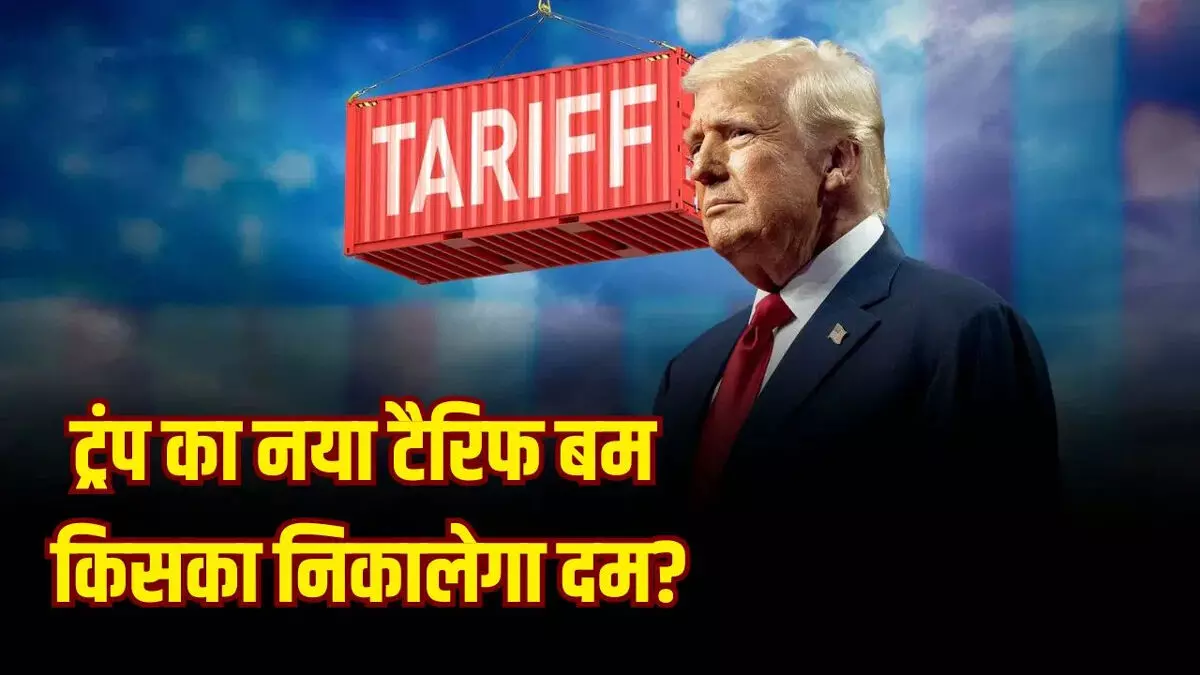
Trump’s Major Decision: Heavy Import Duty on Foreign Drugs, Cabinets, Furniture, and Trucks from October 1
Introduction
In a move that has already sent shockwaves across global markets, US President Donald Trump has announced a sweeping new tariff regime that will impose heavy import duties on a wide range of foreign goods, including pharmaceutical drugs, kitchen cabinets, furniture, and heavy trucks, effective October 1. This decision, part of Trump’s ongoing “America First” economic vision, aims to shield domestic industries from foreign competition, reduce trade deficits, and strengthen US manufacturing.
While the administration argues that these tariffs will bring jobs back to America and protect critical sectors, economists, businesses, and international trade partners are warning of major consequences. The new duties are expected to increase consumer prices, trigger retaliatory measures from trading partners, and disrupt global supply chains that heavily rely on US markets.
This blog provides a detailed, in-depth analysis of this landmark policy decision, exploring its background, potential impact on different industries, geopolitical consequences, domestic political implications, and what it means for the average American household.
Background of Trump’s Tariff Policy
President Trump’s economic doctrine has consistently revolved around the principle of economic nationalism. From the beginning of his political career, he positioned himself as a defender of American jobs and industries, often blaming trade deficits and “unfair” foreign competition for domestic economic troubles.
Since taking office, Trump has already:
- Imposed tariffs on steel and aluminum imports, citing national security concerns.
- Entered into trade disputes with China, leading to a tariff war that shook global markets.
- Renegotiated NAFTA into USMCA (United States-Mexico-Canada Agreement) to secure better terms for American farmers and manufacturers.
The October 1 tariff decision is consistent with this trajectory but broader in scope, targeting four distinct product categories:
- Pharmaceutical drugs – a sector critical to US healthcare and reliant on imports.
- Kitchen cabinets – often imported from countries with lower production costs, such as China and Vietnam.
- Furniture – a household necessity, with large imports from Asia and Europe.
- Heavy trucks – essential for logistics, construction, and industry, often sourced internationally.
This sweeping approach shows Trump’s intent not just to target China but to challenge multiple countries simultaneously, reshaping the global trade landscape.
Why Pharmaceutical Drugs Are Targeted
The inclusion of pharmaceutical drugs in the tariff list is perhaps the most controversial. The US healthcare system is already plagued by skyrocketing drug prices, and American patients rely heavily on imported medicines, particularly generics.
- Dependency on Imports: Over 70% of active pharmaceutical ingredients (APIs) used in US drugs are imported, largely from India and China.
- Domestic Vulnerability: Trump argues that over-dependence on foreign suppliers poses a national security risk, especially during pandemics or geopolitical conflicts.
- Political Messaging: By targeting foreign drug imports, Trump is signaling a push to strengthen US pharmaceutical manufacturing capacity.
However, critics argue this move could:
- Increase medicine prices for patients.
- Create shortages of essential drugs.
- Strain relations with key partners like India, a top supplier of affordable generics.
For everyday Americans, this decision could translate to higher out-of-pocket healthcare costs.
Kitchen Cabinets and Furniture: The Consumer Angle
Home furnishing industries have long been a battleground in US trade disputes.
- Cabinets: A large share of kitchen cabinets sold in the US are imported from China, Malaysia, and Vietnam. Domestic manufacturers argue that cheap imports undercut their pricing.
- Furniture: Furniture imports have surged over the past two decades, especially from China. American furniture factories, once dominant in states like North Carolina, have steadily declined.
Trump’s tariff aims to revive these industries by making foreign cabinets and furniture more expensive. Supporters argue that this will:
- Encourage reshoring of jobs to the US.
- Revitalize domestic wood and carpentry industries.
- Provide a level playing field for US manufacturers.
But the downside is clear:
- Prices for middle-class families will rise sharply.
- Supply shortages could occur since domestic capacity is limited.
- Inflationary pressures could spread across the housing and construction sectors.
Heavy Trucks: Industrial Backbone at Stake
Perhaps the most strategic target in Trump’s tariff package is heavy trucks. These are crucial for logistics, defense, construction, and infrastructure. Many companies import specialized trucks from Europe and Asia, particularly Germany, Japan, and South Korea.
Trump’s calculation is twofold:
- National Security Rationale: Reducing dependency on foreign trucks in case of geopolitical conflicts.
- Economic Vision: Strengthening US automotive manufacturing capacity and boosting employment in industrial states.
The risks include:
- Higher transportation costs for goods across America.
- Reduced competitiveness of US companies reliant on affordable logistics.
- Retaliation from countries like Germany, where heavy trucks are a major export sector.
Global Reactions to Trump’s Announcement
The decision has already triggered widespread concern among America’s major trade partners.
- China: Likely to retaliate with counter-tariffs on US agricultural and tech exports.
- European Union: May challenge the tariffs at the World Trade Organization (WTO).
- India: Could respond by reviewing its pharmaceutical export policies or imposing tariffs on American goods.
- Canada & Mexico: While protected under USMCA to some extent, they may face indirect consequences through supply chain disruptions.
Global markets have reacted with volatility, with stock indexes showing declines in pharmaceutical and furniture sectors while US manufacturing stocks rallied.
Domestic Political Implications
With the 2025 election cycle heating up, Trump’s decision is as much a political strategy as an economic one.
- For His Base: Blue-collar workers and manufacturing states like Ohio, Michigan, and Pennsylvania are likely to support the tariffs as they promise job growth.
- For Critics: Democrats and healthcare advocacy groups argue the tariffs will worsen inflation, particularly in drug prices.
- For Businesses: Corporate America remains divided – some sectors welcome the protection, others fear global backlash.
This policy sets the stage for a heated debate in Congress and on the campaign trail, where Trump will present himself as the defender of American jobs against foreign exploitation.
Economic Impact: Winners and Losers
Winners:
- Domestic Manufacturers of furniture, trucks, and cabinets.
- US Pharma Companies that may get incentives to produce more locally.
- Trump Politically, as he reaffirms his populist trade warrior image.
Losers:
- American Consumers, who will pay more for medicines, furniture, and trucks.
- Healthcare Sector, which risks shortages and higher operational costs.
- Global Trade Partners, who depend on the US as a key market.
Economists warn this could fuel inflation, slow GDP growth, and strain America’s relationships with allies.
Possible Retaliation Scenarios
Foreign governments are unlikely to accept Trump’s tariffs quietly. Potential retaliatory steps include:
- China imposing tariffs on US agricultural products like soybeans and pork.
- India restricting US access to its pharmaceutical market.
- EU levying duties on US tech and luxury goods.
- Global WTO Challenge, creating legal battles for years to come.
Such retaliations could spark a broader trade war, disrupting supply chains and increasing global economic uncertainty.
Historical Parallels
Trump’s tariff strategy is not unprecedented. Historical examples include:
- Smoot-Hawley Tariff Act (1930): Raised US tariffs, worsening the Great Depression.
- Reagan-era Tariffs on Japan (1980s): Imposed duties on cars and electronics to protect US industries.
- Trump’s China Trade War (2018-2020): Resulted in significant disruptions but also forced partial renegotiations.
The October 1 tariffs may become another defining moment in the history of American trade protectionism.
The Road Ahead: What to Expect
As October 1 approaches, businesses, consumers, and governments worldwide are bracing for impact. Key questions include:
- Will Trump negotiate exemptions with allies?
- Can domestic industries ramp up production fast enough to meet demand?
- How will global markets absorb retaliatory measures?
- Will Congress attempt to counterbalance Trump’s tariff policies?
For now, uncertainty reigns. Businesses are stockpiling goods ahead of the tariff deadline, and healthcare providers are warning of looming shortages.
Conclusion
Donald Trump’s decision to impose heavy import duties on pharmaceutical drugs, kitchen cabinets, furniture, and heavy trucks marks a dramatic escalation in his economic nationalism agenda. While it promises to protect American jobs and industries, the move carries significant risks for consumers, healthcare, and global trade stability.
As October 1 draws near, the world will watch closely to see whether this bold gamble strengthens America’s economic independence or triggers a new era of trade wars and domestic inflation.
Either way, Trump has once again positioned himself at the center of a global economic storm — a strategy that aligns with his broader vision of “America First,” but with consequences that will resonate far beyond US borders.
read more latest news

