

Punjab Floods Wreak Havoc: Rahul Gandhi Meets Victims, Moved by a Child Whose Bicycle Was Destroyed
Introduction
Natural disasters do not discriminate—they disrupt lives, damage property, and test the resilience of entire communities. Punjab, often referred to as the breadbasket of India, has faced one of its toughest challenges this year as devastating floods swept across its districts, submerging villages, destroying crops, and forcing thousands of families into uncertainty.
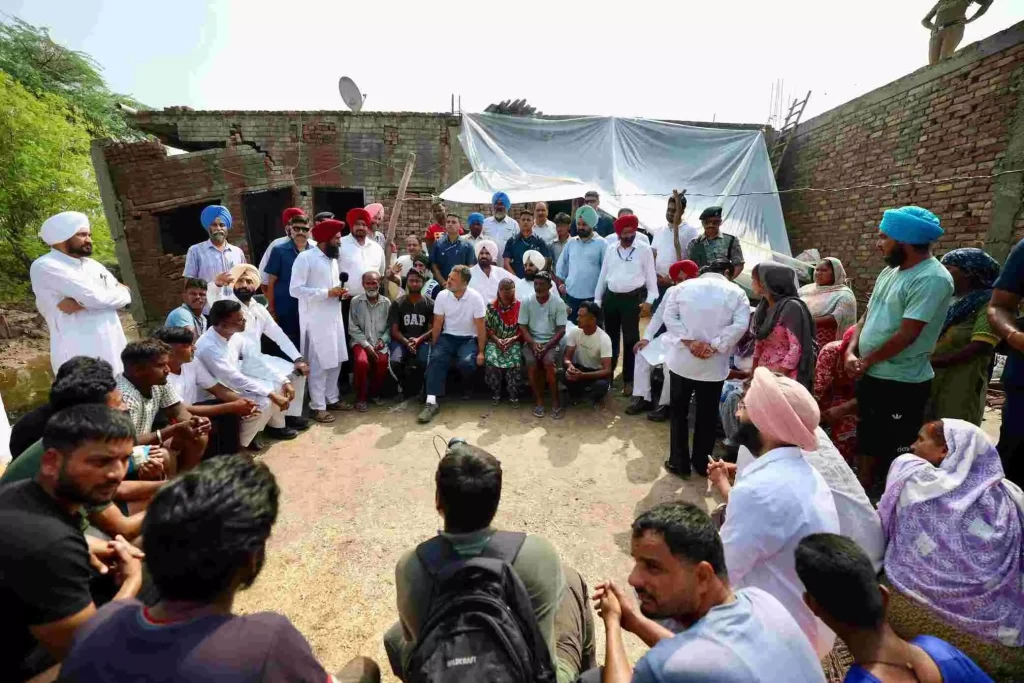
On September 15, 2025, senior Congress leader Rahul Gandhi visited flood-hit areas of Punjab to meet with victims and assess the ground reality. His visit was filled with moments of empathy and raw emotion, but one particular interaction stood out—a child told him that his bicycle had been damaged in the floods. Though seemingly small compared to the vast destruction, this story struck an emotional chord, symbolizing the personal losses hidden beneath large-scale tragedies.
This blog dives into the Punjab floods, the scale of devastation, Rahul Gandhi’s visit and interactions, the symbolic meaning of the child’s story, and what this disaster means for Punjab’s future.
The Devastating Punjab Floods
Punjab, known for its fertile fields and robust agricultural output, has always been vulnerable to heavy rains and swollen rivers. But this year, unprecedented rainfall combined with overflowing tributaries of the Ravi, Beas, and Sutlej rivers triggered massive floods that inundated large parts of Gurdaspur, Hoshiarpur, Jalandhar, Ropar, and Kapurthala districts.
Scale of the Disaster
- Thousands displaced: Families were forced to leave their homes and take shelter in schools, community centers, or temporary relief camps.
- Crops destroyed: Acres of standing paddy, sugarcane, and maize were ruined, dealing a crushing blow to farmers already struggling with rising input costs.
- Livelihoods disrupted: Small shopkeepers, daily wage workers, and transport operators saw their businesses come to a halt.
- Infrastructure damage: Roads, bridges, and village connectivity were severely damaged, hampering rescue and relief efforts.
For many, the floods were not just a natural disaster but a humanitarian crisis.
Rahul Gandhi’s Visit on September 15
In this grim atmosphere, Rahul Gandhi visited the flood-hit regions, accompanied by local Congress leaders. His aim was twofold: to show solidarity with the victims and to demand better relief measures from the state and central governments.
Interactions with Victims
Gandhi walked through flooded localities, visited relief camps, and spoke directly with families who had lost homes, belongings, and hope. He sat cross-legged with villagers on charpoys, listening patiently to their stories of struggle.
It was during one such interaction that a young boy approached him. With innocence and sadness in his eyes, the child told Gandhi:
“My bicycle got damaged in the floods. Now I can’t go to school.”
For many, it was a heart-wrenching reminder that natural disasters do not only wipe out property or crops—they shatter the daily lives of children, stripping away their simplest joys and essential means of mobility.
The Symbolism of the Bicycle Story
The boy’s damaged bicycle represents more than just a broken object—it symbolizes the invisible toll of disasters.
- Loss of Childhood
A bicycle for a child is not just transport; it is freedom, play, and a symbol of growth. The floods robbed him of this joy. - Educational Disruption
In rural areas, bicycles are often the only means for children to reach schools miles away. A damaged bicycle means missed education and lost opportunities. - Economic Struggle
For families struggling to rebuild homes and livelihoods, buying a new bicycle may not be a priority, even though it is essential for the child’s future.
This simple story resonated deeply because it showed how macro-level tragedies create micro-level sufferings that rarely make headlines.

Rahul Gandhi’s Response
Moved by the boy’s story, Rahul Gandhi reportedly assured him and his family that help would be arranged. More importantly, he used this interaction to highlight how relief measures must focus not only on infrastructure and crop compensation but also on personal losses that deeply affect families.
Speaking to the media, Gandhi said:
“This child’s bicycle is as important as rebuilding roads and bridges. Because for him, it is the difference between going to school and being left behind.”
His words attempted to shift the disaster narrative from numbers and statistics to human stories.
Political Significance of the Visit
Rahul Gandhi’s visit carried both humanitarian and political undertones.
- Congress Positioning: By visiting flood-affected areas, Gandhi projected Congress as the party of empathy and ground connect.
- Contrast with Rivals: The visit also indirectly questioned whether the BJP-led central government and the state administration had done enough.
- Message to Punjab Voters: With Punjab being a politically volatile state, Gandhi’s personal touch was a strategic move to reconnect with voters.
His critics called it political opportunism, but supporters argued that leaders are duty-bound to show up in times of crisis.
The Humanitarian Crisis
Beyond politics, the floods exposed Punjab’s vulnerabilities:
- Relief Camps Overcrowded – With limited resources, camps struggled to provide food, medicines, and clean drinking water.
- Health Risks – Stagnant water raised fears of waterborne diseases like cholera, dengue, and malaria.
- Mental Trauma – Children and elderly especially faced trauma after losing homes and belongings.
- Women’s Safety Concerns – Overcrowded shelters raised issues of privacy and security for women.
The crisis highlighted the need for better disaster preparedness and management strategies in Punjab.
Social Media Impact
Videos of the child narrating his bicycle loss to Rahul Gandhi went viral on social media. Many users praised the Congress leader for paying attention to such details. Memes, emotional posts, and debates filled timelines, with hashtags like #PunjabFloods, #RahulGandhi, and #ChildWithBicycle trending.
This digital amplification ensured that the story reached beyond Punjab, sparking discussions on how small losses matter in disaster relief.
Lessons for Governance
The Punjab floods raise important governance questions:
- Infrastructure Planning: Are drainage and embankment systems adequate to handle extreme rains?
- Disaster Relief Policies: Should relief include compensation for school supplies, bicycles, or livestock beyond land and crops?
- Climate Change Preparedness: With unpredictable weather patterns, is Punjab ready for recurring floods?
The child’s bicycle serves as a metaphor for how governance should prioritize human-centric disaster relief.
Historical Context: Punjab and Floods
This is not the first time Punjab has suffered from devastating floods. The state’s unique geography, with rivers cutting across its fertile plains, makes it highly vulnerable. Yet, lessons from past floods have not been fully implemented, leaving communities exposed to repeated destruction.
For decades, farmers have demanded better embankments and flood management infrastructure. Unfortunately, these demands often get lost in political cycles.
Way Forward
To prevent future tragedies and minimize damage, Punjab needs a comprehensive flood management strategy:
- Strengthen Embankments and Drainage
- Early Warning Systems using AI and satellite mapping
- Compensation Schemes that cover personal losses like school items, bicycles, and livestock
- Community Training for disaster response
- Climate-Resilient Farming Practices to adapt to extreme weather
Conclusion
The floods in Punjab have once again shown the devastating impact of natural disasters on ordinary lives. Rahul Gandhi’s visit on September 15 and his interaction with the child whose bicycle was damaged highlighted the human face of tragedy—where small losses represent big setbacks in the lives of vulnerable families.
While political debates will continue, the real question remains: how will Punjab rebuild stronger, and how will leaders ensure that no child’s education, joy, or future is derailed by disasters?
The child’s broken bicycle must not be forgotten—it should become a symbol for compassionate governance that looks beyond statistics and rebuilds lives with empathy.
Read More Latest news

