
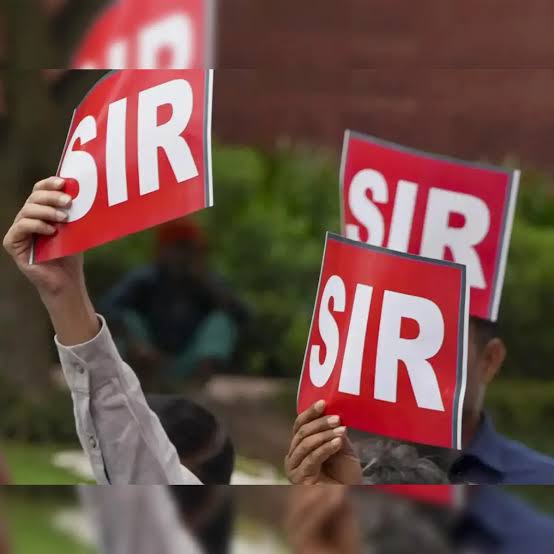
Like Bihar, SIR of Voter List Gets Green Signal Across the Country: Nationwide Process to Begin in October
Introduction
SIR Run Like Bihar India, the world’s largest democracy, thrives on the power of its electorate. The credibility of elections rests not only on the political parties, candidates, and campaign strategies but also on the accuracy and transparency of the voter list. For years, debates have circled around duplicate entries, ghost voters, fake IDs, and the systematic exclusion of genuine voters. To address these concerns, the Election Commission of India (ECI) has now given the green signal to implement the Systematic Intensive Revision (SIR) of voter lists nationwide—just like it was recently carried out in Bihar.
The SIR is not a routine update but an intensive and country-wide corrective exercise, aimed at cleaning the rolls, ensuring no duplication, and bringing uniformity. Starting from October 2025, this exercise will mark a watershed moment in India’s electoral reforms, especially with the Lok Sabha elections just a few months away.
This blog will analyze the need, process, challenges, and political implications of this major move, while also reflecting on its impact on democracy and the common voter.
What is SIR of Voter List?
The Systematic Intensive Revision (SIR) of the electoral roll is a comprehensive process initiated by the Election Commission to ensure that the voter list is:
- Error-free – Eliminating duplicate, fake, or dead entries.
- Inclusive – Ensuring no eligible voter is left out.
- Updated – Reflecting recent demographic shifts such as migration, marriages, and change of residence.
Unlike the routine summary revision carried out annually, the SIR is exhaustive. It involves door-to-door verification, use of Aadhaar linking, field visits, and data matching with government records like death certificates and residential proofs.
In simple terms, the SIR ensures that the “one person, one vote” principle is practically enforced across the country.
Why Was Bihar the Testing Ground?
Bihar became the first state where the SIR was rolled out extensively earlier this year. There were several reasons for this choice:
- High Migration State: Bihar records some of the highest interstate migration in India. Lakhs of workers move to cities like Delhi, Mumbai, and Surat, which often causes duplication of names in different states.
- Allegations of Fake Voting: Several elections in Bihar have witnessed allegations of bogus voting and fake voter IDs.
- Political Complexity: With its coalition politics and caste-driven dynamics, maintaining an accurate voter list in Bihar is crucial to uphold fairness.
The success of the SIR in Bihar—where lakhs of fake, duplicate, and deceased entries were reportedly removed—convinced the Election Commission to scale the exercise to the entire nation.
Nationwide Implementation from October
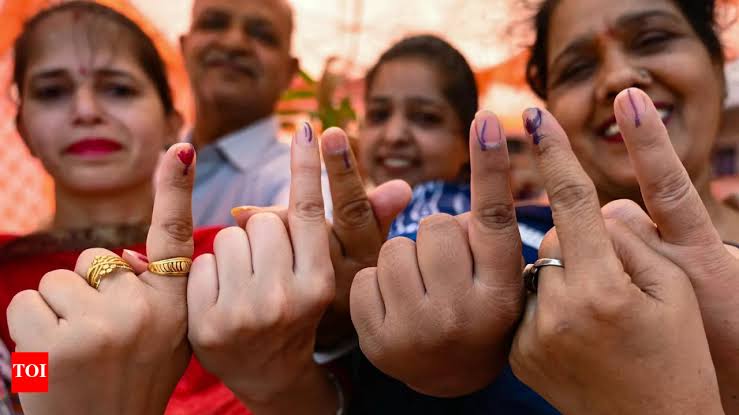
According to the Election Commission’s plan, the SIR will begin across all states and union territories in October 2025. This timing is significant because:
- Lok Sabha Elections 2026: With general elections on the horizon, the ECI wants to ensure a flawless electoral roll.
- Festival & Migration Season: October to December is when many migrant workers return home during festivals, making it easier for officials to verify their details.
- Winter Window: Conducting field verification is logistically smoother in winter than in peak summer or monsoon.
The Process of SIR: Step-by-Step
- Preparation of Draft Roll: The existing electoral roll will be published, highlighting areas for verification.
- Door-to-Door Verification: Booth Level Officers (BLOs) will visit households, collect Aadhaar details, and cross-verify addresses.
- Elimination of Duplicates: Using Aadhaar-based de-duplication and other government databases, duplicate entries will be deleted.
- Inclusion of New Voters: Citizens turning 18 by January 1, 2026, will be added.
- Updating Shifts & Migration: Names of voters who have shifted will be transferred to their new constituency.
- Publication of Final Roll: After public objections and corrections, the final revised voter list will be published.
Challenges in Implementing Nationwide SIR
While the idea is laudable, executing it across a vast and diverse country like India will not be easy. Some key challenges include:
1. Migration & Urban Mobility
Millions of Indians move for jobs, education, or marriage every year. Keeping track of shifting addresses is a logistical nightmare.
2. Rural vs Urban Complexity
While urban areas face duplication issues, rural regions face challenges of exclusion—where women, marginalized communities, and nomadic groups often get left out.
3. Political Objections
Parties often accuse each other of manipulating voter lists. The opposition may allege that the SIR is being used to “delete” certain vote banks.
4. Privacy Concerns
Linking voter IDs with Aadhaar has been controversial, with activists raising concerns over surveillance and exclusion.
5. Manpower & Resources
BLOs and election officials are often overburdened. Conducting such an exercise in every district will require massive human and financial resources.
Political Reactions
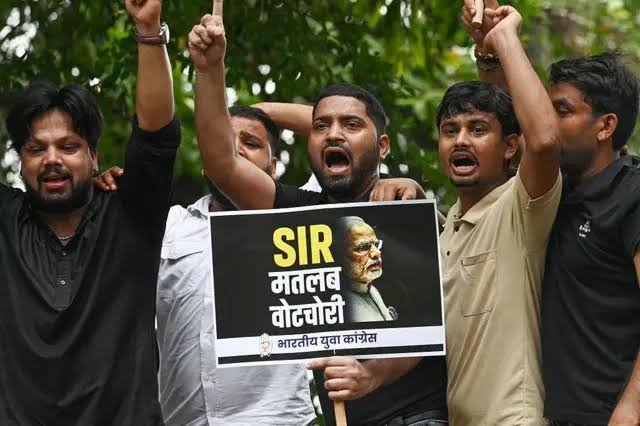
The announcement of nationwide SIR has already stirred reactions across the political spectrum.
- Ruling Party (BJP): The BJP has welcomed the decision, saying it will eliminate bogus voters and strengthen democracy.
- Opposition Parties: Some opposition leaders have expressed caution, alleging that such drives may be used to target minority and marginalized voters.
- Regional Parties: In states like West Bengal, Telangana, and Tamil Nadu, regional parties are wary of the central government’s influence over the Election Commission.
The debate reflects the deep trust deficit between political actors and institutions in today’s India.
Impact on Voters
For the common voter, the SIR will bring both opportunities and responsibilities:
- Greater Accuracy: Genuine voters will not have to worry about being denied their right due to duplication or errors.
- Inclusion: First-time voters turning 18 will get an assured entry.
- Accountability: Citizens will have to actively cooperate by providing documents and verifying details.
- Reduced Booth Capturing: Fake IDs and ghost voting will decline, making elections more transparent.
Case Study: Bihar’s SIR Results
In Bihar, the Election Commission reported:
- Removal of over 7 lakh duplicate or deceased voters.
- Addition of over 10 lakh new voters, mostly youth.
- Significant decline in complaints of fake voting in subsequent by-polls.
This pilot experiment convinced the ECI that similar results could be achieved nationwide.
SIR and Technology
Technology will play a crucial role in making the SIR successful:
- Aadhaar Linking for de-duplication.
- Mobile Apps for BLOs to upload real-time data.
- Online Verification for tech-savvy citizens.
- Facial Recognition Pilots in urban constituencies.
However, technology also raises concerns of hacking, data privacy, and digital exclusion for rural voters.
Global Comparisons
India’s move can also be compared with voter roll management in other democracies:
- United States: Each state maintains its own rolls, leading to duplication across states. Allegations of voter suppression are common.
- UK: Regular door-to-door canvassing ensures accurate rolls.
- Brazil: Uses biometric verification extensively, making elections almost fully electronic.
India’s SIR will be one of the largest voter list cleaning exercises in the world, covering nearly 1 billion voters.
Possible Outcomes
- Cleaner Elections: Reduction in fake voting and higher trust in results.
- Boost for Youth Participation: With lakhs of new voters added, political narratives may shift.
- Litigation & Controversy: Parties may approach courts alleging wrongful deletions.
- Strengthening Democracy: If implemented fairly, the SIR could restore public faith in the Election Commission.
Conclusion
The Systematic Intensive Revision (SIR) of voter lists is more than an administrative exercise—it is a democratic safeguard. Just as it proved effective in Bihar, its nationwide implementation from October 2025 will test the Election Commission’s credibility, the cooperation of political parties, and the willingness of citizens to participate.
As India moves closer to the 2026 Lok Sabha elections, the accuracy of the voter list will shape not just electoral outcomes but also the perception of fairness in Indian democracy.

