
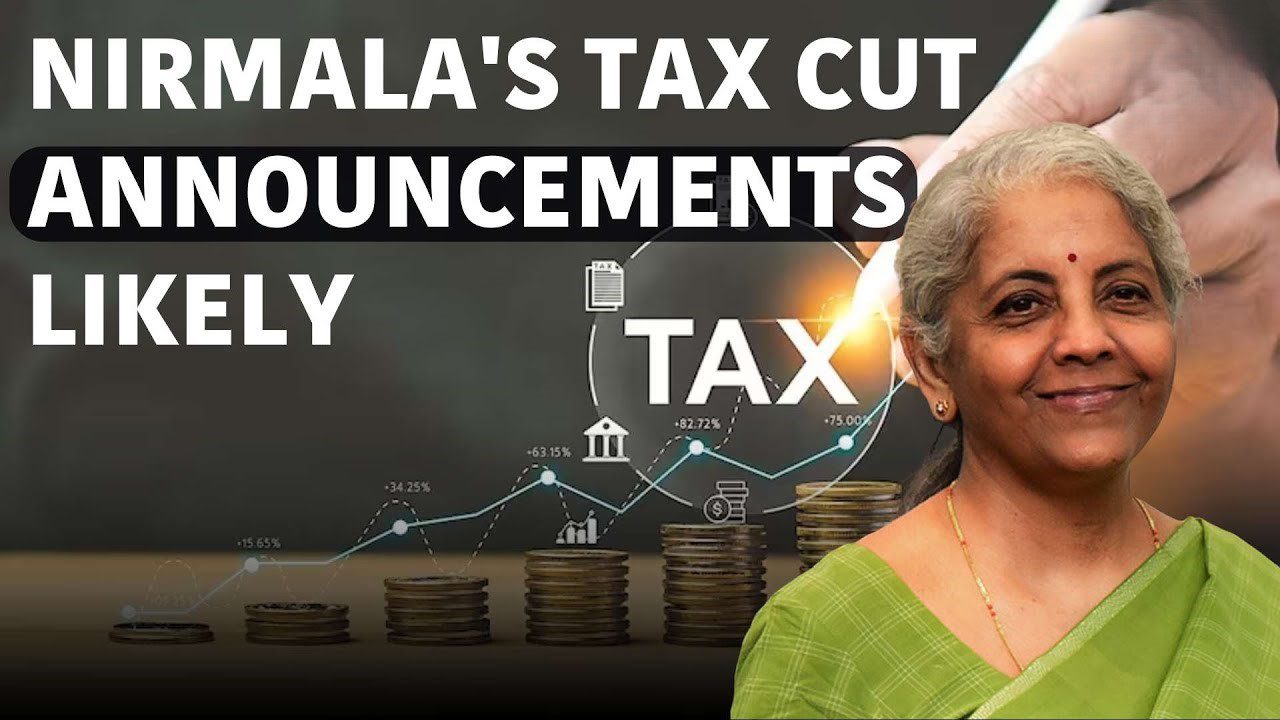
tax relief The Budget session of 2025 is around the corner, and taxpayers across India are waiting with bated breath to see what Finance Minister Nirmala Sitharaman has in store for them. One of the most hotly debated topics is the possibility of tax relief for individuals earning up to ₹15 lakh annually. Speculations have intensified as inflationary pressures and rising cost of living have put the spotlight on disposable income and purchasing power.
This article dives into the current tax structure, expectations from Budget 2025, and the broader implications of any potential tax relief for taxpayers in this bracket.
Current Income Tax Structure for Salaried Individuals
As of the 2024 fiscal year, taxpayers in India have two options: the old tax regime and the new tax regime introduced in Budget 2020. Both regimes cater to different preferences and financial goals. Here’s a quick breakdown:
Old Tax Regime
Under the old tax regime, taxpayers can avail of numerous deductions and exemptions, such as:
- Section 80C: Investments in PPF, ELSS, LIC premiums, etc., up to ₹1.5 lakh.
- Section 24(b): Home loan interest deduction up to ₹2 lakh.
- HRA: House Rent Allowance for salaried employees.
Tax rates in the old regime:
- Up to ₹2.5 lakh: No tax
- ₹2.5 lakh – ₹5 lakh: 5%
- ₹5 lakh – ₹10 lakh: 20%
- Above ₹10 lakh: 30%
New Tax Regime
The new tax regime simplifies taxation by removing most deductions and exemptions while offering lower tax rates:
- Up to ₹2.5 lakh: No tax
- ₹2.5 lakh – ₹5 lakh: 5%
- ₹5 lakh – ₹7.5 lakh: 10%
- ₹7.5 lakh – ₹10 lakh: 15%
- ₹10 lakh – ₹12.5 lakh: 20%
- ₹12.5 lakh – ₹15 lakh: 25%
- Above ₹15 lakh: 30%
In Budget 2023, the rebate limit under Section 87A was increased from ₹5 lakh to ₹7 lakh in the new regime, effectively making income up to ₹7 lakh tax-free.
Expectations for Budget 2025
1. Raising the Basic Exemption Limit
One of the primary demands is to increase the basic exemption limit from ₹2.5 lakh to ₹5 lakh. Such a move would align with the government’s earlier initiatives to provide relief to low- and middle-income earners.
- Impact: Taxpayers earning up to ₹5 lakh would save approximately ₹12,500 in taxes, boosting their disposable income.
2. Enhanced Rebates Under Section 87A
There is speculation that the rebate under Section 87A, currently capped at ₹7 lakh, may be raised to ₹10 lakh. This would ensure that taxpayers earning up to ₹10 lakh pay no tax under the new regime.
- Impact: Middle-income households, especially salaried individuals, would significantly benefit.
3. Recalibration of Slabs for Higher Incomes
For those earning between ₹10 lakh and ₹15 lakh, the government may lower the tax rates in the new regime to enhance its appeal.
- Possible Structure:
- ₹10 lakh – ₹12.5 lakh: 10% (down from 20%)
- ₹12.5 lakh – ₹15 lakh: 20% (down from 25%)
- Impact: Taxpayers in this bracket would experience meaningful savings, making the new tax regime more competitive.
4. Increased Standard Deduction
The standard deduction of ₹50,000 available under the old regime may be increased to ₹75,000 or ₹1 lakh. There is also a demand to extend it to the new tax regime to bridge the gap between the two systems.
- Impact: A higher standard deduction would reduce taxable income across the board, benefiting salaried individuals and pensioners.
5. Alignment with Inflation Trends
Adjusting tax slabs and exemptions in line with inflation is another anticipated measure. Since the last major overhaul of the tax structure, inflation has eroded purchasing power, necessitating revisions to tax thresholds.
How Will Tax Relief for ₹15 Lakh Earners Impact the Economy?
1. Increased Disposable Income
If taxpayers earning up to ₹15 lakh receive significant relief, their disposable income will increase, leading to higher consumption. This can boost sectors such as FMCG, retail, and automobiles, which rely on discretionary spending.
2. Savings and Investments
Higher take-home pay may encourage individuals to save or invest more, benefiting mutual funds, insurance products, and fixed-income instruments.
3. Boosting Employment and Growth
Increased consumption can lead to higher demand for goods and services, prompting businesses to expand and create more job opportunities.
4. Fiscal Implications
On the flip side, tax relief could result in lower revenue collections for the government. However, if the increase in consumer spending offsets this loss through higher GST and corporate tax collections, the overall fiscal impact could be neutral or positive.
Challenges and Considerations
1. Balancing Fiscal Deficit Goals
The government faces the challenge of balancing taxpayer relief with its fiscal deficit targets. With ambitious infrastructure and welfare programs in progress, finding the right balance will be critical.
2. Equity Among Taxpayers
Providing relief to middle-income earners while ensuring that high-income earners contribute proportionally is a delicate balancing act. Progressive taxation principles must guide any revisions.
3. Addressing Regional Disparities
Income levels and cost of living vary significantly across India. Policymakers must ensure that tax reforms account for these disparities to avoid inequities.
What Experts Say
- Tax Analysts: Many analysts advocate for tax relief to improve household savings and consumption, but they caution against overly ambitious cuts that could widen the fiscal deficit.
- Industry Leaders: Business leaders have welcomed the idea of tax relief, viewing it as a catalyst for economic growth and market expansion.
- Economists: Economists suggest a phased approach, where relief is gradually introduced while simultaneously broadening the tax base.
What Should Taxpayers Do?
- Stay Informed
Keep track of Budget 2025 announcements to understand changes in tax rules and their implications. - Evaluate Tax Regimes
Compare the old and new tax regimes annually to determine which offers greater savings based on your financial profile. - Plan Investments Wisely
Use tax-saving instruments like PPF, ELSS, and NPS to optimize your tax liability under the old regime. - Seek Professional Advice
Consult a tax advisor or chartered accountant to navigate complex tax scenarios and maximize benefits.
Conclusion
As Budget 2025 approaches, the possibility of tax relief for individuals earning up to ₹15 lakh remains a subject of intense debate. Whether it comes in the form of revised slabs, increased rebates, or higher deductions, such measures could provide much-needed relief to the middle class while fueling economic growth.
For taxpayers, the key is to remain adaptable and proactive, taking advantage of any changes while planning long-term financial strategies. As Finance Minister Nirmala Sitharaman unveils the budget, the hope is that it strikes the right balance between fiscal responsibility and taxpayer relief, paving the way for a more equitable and prosperous India.
Read more latest news

