
✈️ Engine Fire at 3,000 Feet: Inside Delta Flight DL 446’s Emergency Return to LAX
1. Prelude: A Routine Flight Disrupted
On July 18, 2025, Delta Air Lines Flight DL 446—operated by a Boeing 767‑400—departed from Los Angeles International Airport (LAX) bound for Atlanta (ATL). Onboard were 226 passengers and 9 crew members. Everything seemed normal: typical pre-flight checks, takeoff clearance, and a smooth ascent into the early evening sky.
But just minutes after rotation, as the aircraft climbed to cruising altitude, the cockpit indicators screamed “Engine Fire.”
2. The Moment It Happened
2.1 Video Timeline
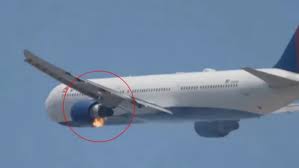
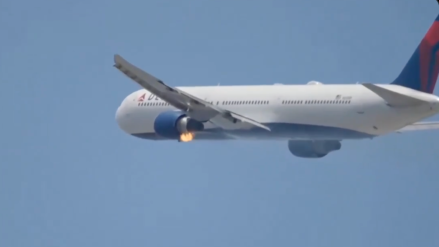
- At ~3,000 ft: Multiple videos captured flames erupting from the left CF6 turbofan engine—clear orange and red bursts trailing behind the wing.
- Disciples of safety, the flight crew immediately initiated emergency procedures.
- Within seconds, the pilot-in-command declared an emergency and coordinated with LAX Air Traffic Control for an immediate return.
2.2 Witnesses and Reactions
Plane-spotters on the ground filmed the unfolding drama. One onlooker at L.A. Flights exclaimed:
“Oh, look at that. Whoa! Was that a compressor stall?”
3. The Decision to Turn Around
3.1 Flight Crew Actions
- Quick assessment: Cockpit fire light illuminated.
- Emergency protocol: Fuel cutoff, engine shutdown, fire suppression systems activated.
- Strategic maneuver: Executed a 180° turn to head back to LAX.
- Communication: Informed passengers calmly and reassured them of safety measures.
3.2 Safe Return Flight Path
The flight path took them over the Pacific, looping back over Downey and Paramount before lining up for final approach.
4. Touchdown and Emergency Response
- The aircraft landed uneventfully but under emergency alert.
- Fire trucks flanked both wings as it touched down.
- By the time Flight 446 reached the gate, visible flames were extinguished.
- No injuries were reported among passengers or crew.
5. Delta’s Official Response
- Confirmed the flight returned due to a “left engine issue”.
- Reassured that passenger safety is the airline’s top priority.
- Began an internal investigation, working in close coordination with the FAA.
- Guests were re-accommodated on later flights; compensation and vouchers offered proactively.
6. Technical Deep Dive: What Causes Engine Fires?
6.1 Compressor Stalls & Turbine Issues
- A compressor stall can cause airflow reversal, ruptures, and flames leaking from exhaust.
- Potential fuel line rupture, oil leak, or turbine blade failure could also trigger such fires.
6.2 Boeing 767-400 and its CF6 Engines
- Delta’s CF6 engine fleet, while widely used, requires diligent maintenance and inspection.
- This model is now around 25 years old, highlighting how aging fleets demand extra scrutiny.
7. A Pattern Emerging? Delta’s 2025 Safety Alerts
Flight DL 446 marks the second serious engine fire incident for Delta in 2025:
- January: Flight DL 105 (A330neo) also landed safely after an engine blaze.
- February: Delta Connection flight from Atlanta had intense smoke in cabin, prompting emergency return; two crew were injured.
Delta has acknowledged these coincidences and is reportedly reviewing its maintenance protocols.
8. Regulation and Pilot Training
- FAA investigations—standard in any engine fire—could result in airworthiness directives, safety bulletins, or fleet-wide inspections.
- Pilots undergo intensive engine-out and fire-fire drills in simulators—standard procedure followed flawlessly here.
- Emergency procedures for returning to departure airport after critical failures are part of FAA-mandated pilot training.
9. Passenger Experience & Communication
9.1 Onboard Transparency
- Crew engaged in frequent communication: “Captain informed us crews were verifying engine fire, fire crews waiting on ground”.
- Passengers reported calm cabin atmosphere, with no signs of panic.
9.2 Customer Care
- Auto-vouchers and apologies by Delta after landing.
- Demonstrates an industry shift toward proactive customer service after the incident.
10. Comparison to Past Delta Incidents
10.1 1996 Pensacola MD-88 Catastrophe (Flight 1288)
A catastrophic engine failure resulted in fatalities due to uncontained blade fragments—a grim reminder of how engine failures can escalate.
10.2 Flight 89 Fuel Dump Near LAX (2020)
A 777 jettisoned fuel over populated areas following an engine issue.
10.3 2025 Smoke-Intensive Cargo Flight
The February smoke-filled cabin event with injuries reinforced the importance of engine monitoring and cabin safety.
11. Industry-Wide Implications
- Reaffirming reliability: Contrasting with catastrophic accidents, this event reaffirms aviation’s ability to handle emergencies without casualties.
- Aging fleet awareness: Raises questions on retirement timelines and modernization plans for legacy aircraft.
- Regulatory attention intensifies: FAA is likely to increase scrutiny across the board for CF6 engines.
- Importance of communication: Transparent updates minimize passenger anxiety and potential PR fallout.

12. Broader Aviation Safety Culture
- Aviation authorities globally analyze such events vastly to preempt future occurrences.
- Delta’s quick compensation and reaccommodation set a positive precedent for passenger focus post-incident.
- This episode strengthens the narrative that aviation remains one of the safest modes of transportation—even when on-board emergencies arise.
13. Safety Innovations & Maintenance Upgrades
In response, airlines like Delta may:
- Switch to project-based engine inspections ahead of scheduled intervals.
- Mandate engine performance monitoring systems that provide real-time predictive analytics.
- Begin fleet renewal programs, replacing CF6-engined planes with newer models like CFM LEAP or GE90 variants.
14. Media Coverage & Public Response
- Viral videos highlighted how dramatic yet contained the incident was.
- Social media praised both the pilots’ professionalism and crew communication.
- Aviation experts underscored how well standard procedures were followed—textbook emergency execution.
15. Delta’s Path Ahead
15.1 Investigation and Transparency
- FAA results will clarify cause—whether mechanical failure, maintenance oversight, or manufacturer defect.
- May lead to airworthiness directives impacting Delta and other airlines operating CF6 engines.
15.2 Customer-Centric Improvements
- Rebooking and voucher response models may become standardized in routine contingency planning.
15.3 Long-Term Fleet Strategy
- Delta may accelerate fleet rejuvenation, opting for modern airframes with lower operational risks.
- Future may see fewer CF6-powered planes in active rotation.
16. Final Thoughts
Flight DL 446’s incident stands out not just for its drama—but for the manner in which it was managed:
- Swift detection, decisive action, and calm execution by pilots.
- Visible engine flames, yet no injuries—a tribute to aviation safety standards.
- Opens broader discussions on maintenance, fleet age, regulatory oversight, and passenger engagement.
In a world where aviation incidents trend across social media, this serves as a textbook case of professionalism under pressure.
✅ Key Takeaways
| Theme | Insight |
|---|---|
| Crew Training | Standard emergency protocols can save lives and maintain calm |
| Fleet Aging | Incidents highlight need for modernization |
| Passenger Care | Proactive communication and compensation ease anxiety |
| Regulatory Role | FAA investigations guide future safety directives |
| Global Perception | Reinforces public confidence in airline reliability |
Would you like this formatted into microblogs, executive summaries for airlines, or a social-media story-based post? Let me know if you’d like a PDF or WordPress-ready layout!
read more latest news

