
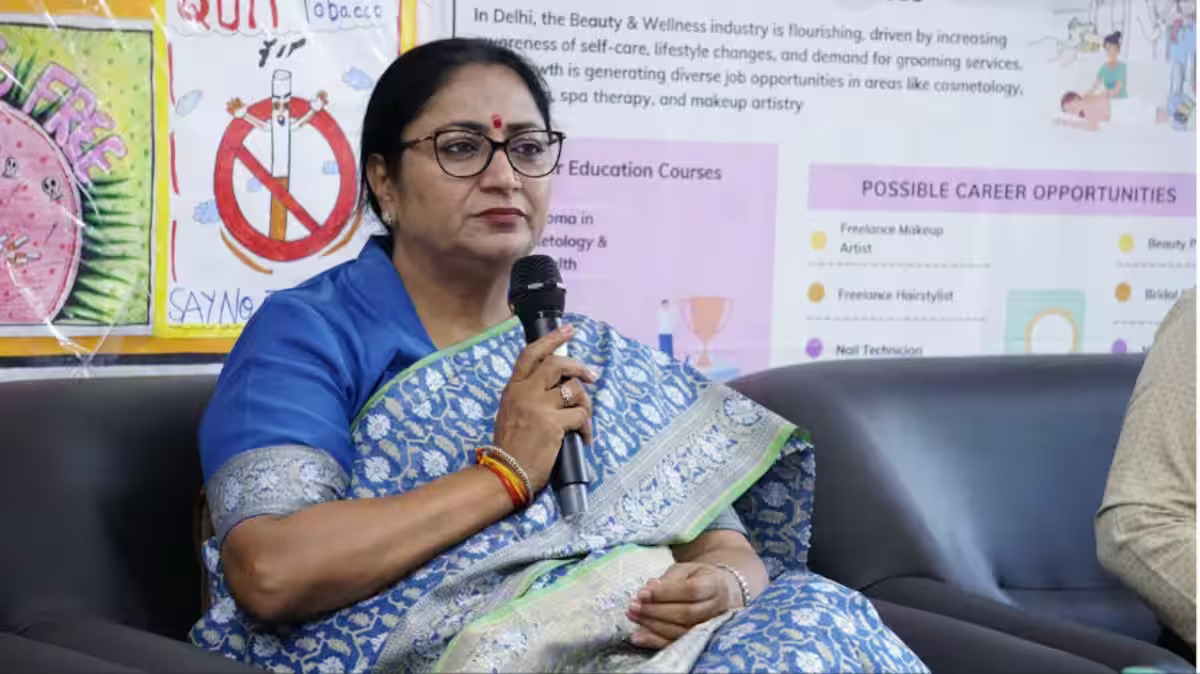
Delhi CM Rekha Gupta Receives Death Threat: Alarming Attack on Democratic Leadership
Introduction: A Chilling Message Against Democracy
On June 5, 2025, an alarming incident shook the capital of India. Rekha Gupta, the Chief Minister of Delhi and a prominent BJP leader, received a death threat through an anonymous call to the Ghaziabad police control room. The incident triggered swift police action, multi-state coordination, and a larger debate on the safety of elected representatives in one of the world’s largest democracies.
This blog aims to explore every facet of this incident — from the background of the accused to political reactions, intelligence lapses, and what it means for the future of law enforcement and public leadership in India.
Who is Rekha Gupta? A Brief Political Profile
Before diving into the incident, it’s important to understand who Rekha Gupta is. A senior BJP leader and former Delhi University Students’ Union President, Rekha Gupta rose through the ranks as a fierce advocate of women’s empowerment and transparency in governance. She became Delhi CM in 2024, after BJP won a majority, breaking a long-standing AAP stronghold.
Known for her bold decisions and upright nature, Gupta has introduced strong reforms in education, infrastructure, and women’s safety — often challenging entrenched interests.
Details of the Threat: What Happened on June 5?
Around 11 PM on June 5, the Ghaziabad Police control room received a disturbing call. A man, in a threatening tone, declared that he would assassinate the Delhi Chief Minister Rekha Gupta. The call lasted barely a minute, but the threat was unequivocal.
Key Details:
- The call was made via helpline number 112.
- It was routed through a mobile number active in Ghaziabad.
- The caller did not identify himself.
- The threat was considered “credible enough” for a security protocol to be initiated immediately.
Police Action: Rapid Coordination Across States
Upon receiving the threat, Ghaziabad Police alerted Delhi Police and intelligence agencies. Within hours, a team was dispatched to the area identified through technical surveillance — Panchwati Colony, Ghaziabad.
Further cyber-forensic analysis traced the call to Gorakhpur and uncovered the identity of the caller.
Arrest of the Accused
On June 7, the Delhi Police’s Special Cell apprehended a man named Shlok Tripathi, aged 25. He was arrested from northwest Delhi and handed over for formal interrogation.
Who is Shlok Tripathi? The Man Behind the Threat
Investigations revealed that Tripathi is a habitual fraudster who has been involved in multiple identity-based crimes. He often moved cities, changing his appearance and mobile numbers frequently.
Psychological Profile:
- Reportedly under the influence of alcohol at the time of the call.
- Has a history of erratic behavior and substance abuse.
- No political affiliation confirmed so far.
- Recovered documents suggest a deeper criminal past, including cyber fraud and identity theft.
Police are also checking if he had any ideological motivations or if he was manipulated or paid by someone.
Security Review: Delhi CM’s Protection Upgraded
After the threat, Rekha Gupta’s Z+ security cover was reviewed. Intelligence agencies conducted a risk assessment of her movements and public appearances.
Upgrades Made:
- More plainclothes officers added to her detail.
- Background checks for her staff, drivers, and close aides re-initiated.
- Monitoring of digital threats on social media increased.
Security around the Delhi Secretariat and CM residence was also tightened.
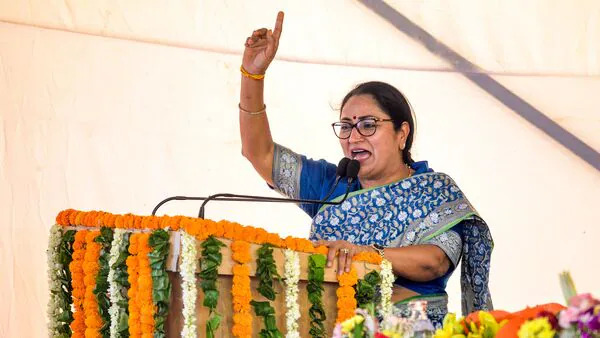
Political Reactions: Shock, Solidarity, and Questions
Leaders from across the political spectrum expressed concern.
BJP’s Response:
- BJP President JP Nadda: “Any threat to our Chief Minister is a threat to the democratic fabric of India. We demand the strictest punishment for the culprit.”
- Union Home Minister Amit Shah personally monitored the case progress and called for a nationwide review of CM-level protections.
Opposition Response:
- Congress leader Priyanka Gandhi condemned the threat and said: “We may differ politically, but such threats are unacceptable.”
- AAP called for a “non-political probe,” suspecting possible political exploitation of the situation.
Public Response: Anxiety and Outrage
Social media was flooded with #StandWithRekhaGupta hashtags. Citizens voiced their concerns:
- “If a CM isn’t safe, what about the common man?”
- “This is not just a threat to a person but to democracy.”
There were candlelight vigils by BJP workers across Delhi and NCR, demanding stronger action against political intimidation.
National Security Perspective: Growing Risks to Leaders
This case isn’t isolated. Over the last five years, India has seen a rise in threats against public figures, including:
- Maharashtra CM receiving a threat via email in 2023.
- Multiple threats to Yogi Adityanath in 2022-2024.
- Bomb threats to Delhi Metro and Parliament earlier this year.
Why Is This Happening?
- Political polarization and social media toxicity.
- Easy access to mobile communication anonymity.
- Radicalization via online platforms.
- Weak cyber laws to deter threats.
Legal Action: What Charges Will the Accused Face?
Tripathi has been booked under the following sections:
- IPC Section 506 – Criminal intimidation
- IPC Section 507 – Criminal intimidation by anonymous communication
- Section 66 IT Act – Sending offensive messages through communication service
- Section 120B – Criminal conspiracy (if other names are revealed)
If convicted, he faces 7–10 years imprisonment, depending on further findings.
Expert Opinions: What Must Be Done Now?
Cybercrime Expert, Rohan Mahajan:
“The incident exposes how underprepared India still is in tracing anonymous digital threats. We need AI-enabled monitoring and faster SIM trace capabilities.”
Former DGP Prakash Singh:
“Security for CMs must be non-negotiable. This is the time to strengthen coordination between state and central agencies.”
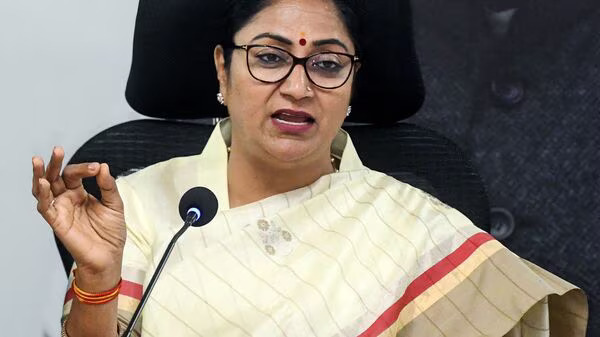
Impact on Rekha Gupta’s Government
While the threat was neutralized, the emotional and psychological impact remains. Sources close to Rekha Gupta claim she continued with her scheduled work the next day but was visibly shaken.
Yet, her public message on June 8 resonated deeply:
“I won’t be cowed down by fear. My life is for the people of Delhi. I’ll continue to serve, come what may.”
This strengthened her image as a resilient leader.
Future Precautions: What the Government is Planning
The Ministry of Home Affairs has begun drafting new guidelines for:
- 24×7 threat analysis cell for top functionaries.
- National database of callers issuing threats to politicians.
- Statewise training for police to handle political threat calls.
- Use of AI and call transcription services for early detection.
Media Coverage: Sensational but Cautious
Media houses were initially cautious in reporting due to the sensitive nature of the call. But once the suspect was arrested, a wave of primetime debates followed, focusing on:
- “Who is behind Shlok Tripathi?”
- “Are public leaders being targeted systematically?”
- “Is political toxicity translating into physical threats?”
The Broader Message: Democracy Must Defend Itself
The incident with Rekha Gupta highlights a deepening crisis in democratic accountability and personal security. Whether driven by mental instability, criminal motive, or political hatred — threats to public figures must be dealt with swiftly and transparently.
The strong response from police and the government shows institutional resilience. But the deeper question remains: How prepared are we to prevent the next such incident?
Conclusion
The threat to Delhi Chief Minister Rekha Gupta was not just an attack on a political figure but a direct challenge to the democratic process. While the accused has been caught and security has been tightened, India must now adopt a zero-tolerance policy toward such intimidation tactics.
Public servants are elected by the people. Threatening their lives is akin to threatening the nation’s collective voice.
read more latest news

