
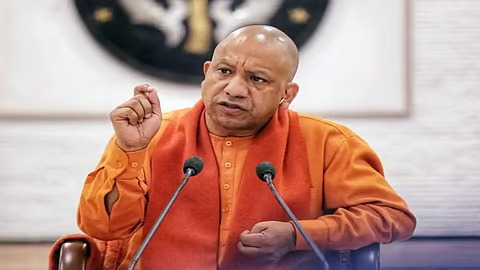
Yogi Adityanath In the landscape of Indian politics, religious and cultural institutions have long played a significant role in shaping the socio-political fabric of the country. One such institution is the Waqf system, which is deeply rooted in the Islamic tradition. Over the years, the administration of Waqf properties has been mired in controversies, with accusations of mismanagement, corruption, and misuse of resources. The Waqf Bill, which was introduced by the Indian government with the aim of bringing much-needed reforms to the management of Waqf properties, has sparked debates across the political spectrum.
Yogi Adityanath, the Chief Minister of Uttar Pradesh (UP), a state with a significant Muslim population, has recently praised the Waqf Bill, lauding it as a crucial step toward ensuring transparency, accountability, and better governance in the management of Waqf properties. In this blog, we will explore the Waqf Bill, its potential impact on India’s socio-political landscape, and why Yogi Adityanath has expressed his support for it.
What is the Waqf System?
Before diving into the specifics of the Waqf Bill, it is important to understand what the Waqf system entails. The term Waqf refers to a religious endowment in Islam, typically in the form of property, money, or assets, which are designated for charitable or religious purposes. The person who establishes a Waqf is known as the Waqif, and once the Waqf is established, it is meant to be used for purposes such as supporting religious institutions, building mosques, providing scholarships for needy students, helping the poor, and other acts of charity.
In India, the Waqf system has a rich history dating back to the Mughal period. However, over the years, the administration of Waqf properties has come under scrutiny. Many Waqf boards, which are responsible for the management and administration of these properties, have faced accusations of mismanagement, lack of transparency, and corruption. This has led to the exploitation of valuable Waqf properties, with some being used for personal gain rather than for charitable purposes.
To address these issues, the Indian government introduced the Waqf Bill, aiming to bring about much-needed reforms in the management of Waqf properties. The bill seeks to ensure that these assets are managed transparently, with proper governance and accountability.
The Waqf Bill: Key Features and Objectives
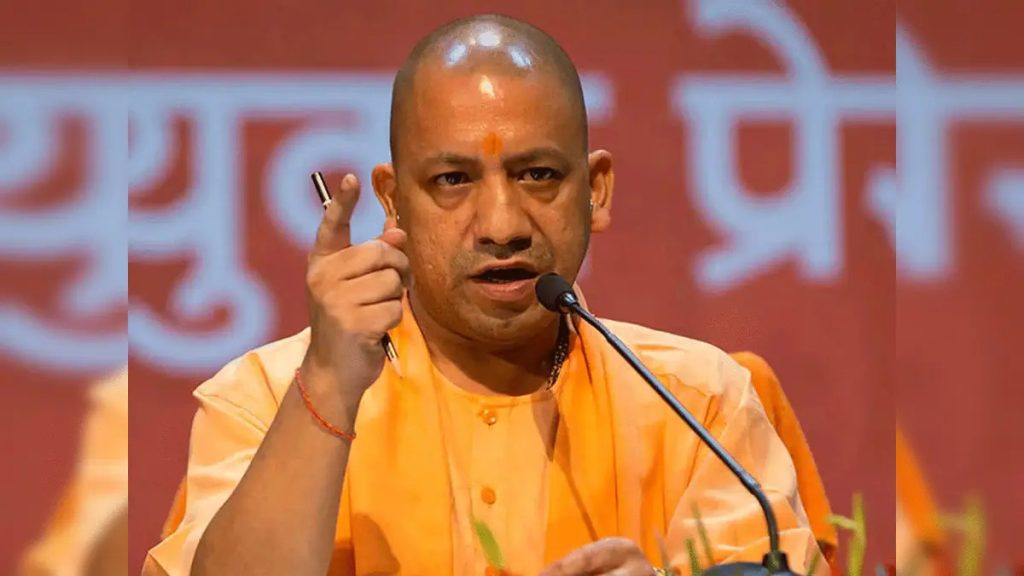
The Waqf Bill introduced by the Indian government is designed to address the key issues related to the administration of Waqf properties. The main objectives of the bill are:
- Regulation of Waqf Properties: The Waqf Bill aims to provide better regulation and control over the management of Waqf properties, ensuring that they are used for their intended purposes—primarily charitable and religious. By creating clear guidelines and regulations, the bill seeks to prevent the misappropriation and misuse of these properties.
- Transparency and Accountability: One of the most important provisions of the Waqf Bill is its emphasis on transparency and accountability. The bill seeks to establish clear financial reporting requirements for Waqf boards, ensuring that they provide accurate information about the management and utilization of Waqf assets. This includes the publication of annual reports, audits, and the establishment of an independent body to oversee the operations of Waqf boards.
- Appointment of Trustees: The bill proposes that trustees of Waqf boards be appointed based on merit and experience rather than political influence or patronage. The aim is to ensure that the people responsible for managing these assets are qualified and capable of handling the complexities of Waqf management.
- Dealing with Encroachments: Another significant provision of the Waqf Bill is its focus on dealing with encroachments on Waqf properties. In many parts of India, Waqf properties have been illegally occupied, and the bill aims to streamline the process of recovering these properties and preventing future encroachments.
- State and National Waqf Development Corporation: The Waqf Bill proposes the establishment of a National Waqf Development Corporation to work alongside state-level corporations to ensure the proper management, development, and utilization of Waqf properties. The goal is to bring a uniform system of governance across all states and make the management of these properties more efficient.
- Judicial Oversight: The bill also includes provisions for judicial oversight, allowing courts to intervene in cases of mismanagement or disputes over Waqf properties. This is expected to ensure that Waqf assets are protected and that the interests of the community are safeguarded.
Yogi Adityanath’s Support for the Waqf Bill
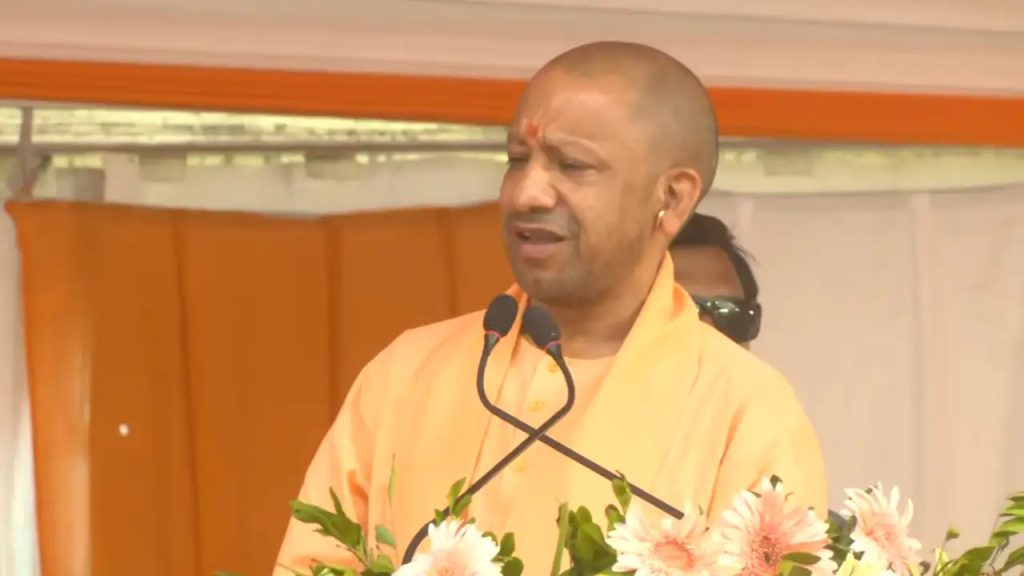
Yogi Adityanath, the Chief Minister of Uttar Pradesh, has been a vocal supporter of the Waqf Bill, recognizing the importance of reforming the management of Waqf properties to ensure their proper utilization. Uttar Pradesh is home to a large Muslim population, and the state has a significant number of Waqf properties. In his recent statements, Adityanath praised the government’s initiative to bring about transparency and accountability in the management of these properties.
Addressing Corruption and Mismanagement
One of the main reasons for Adityanath’s support for the Waqf Bill is its focus on addressing the longstanding issue of corruption and mismanagement within Waqf boards. In the past, many Waqf properties in UP and across India have been misused for personal gain, with little regard for their intended charitable purposes. By ensuring that Waqf assets are properly managed and that there is oversight of financial transactions, the Waqf Bill promises to curb corruption and make the system more transparent.
Adityanath has often emphasized the need for good governance and transparency in the administration of both government institutions and religious bodies. His support for the Waqf Bill reflects his broader agenda to improve the functioning of institutions and ensure that public and religious resources are utilized for the benefit of the people.
Promoting Socio-Economic Development
Another reason for Adityanath’s praise of the Waqf Bill is its potential to promote socio-economic development among disadvantaged communities. Waqf properties, if properly managed, can be used to fund educational initiatives, healthcare services, and welfare programs for the needy. In a state like Uttar Pradesh, where poverty and unemployment are significant challenges, the proper utilization of Waqf assets can have a transformative impact on the lives of marginalized communities.
Adityanath has frequently highlighted his government’s focus on welfare and development, particularly in rural and backward areas. By supporting the Waqf Bill, he is signaling his commitment to ensuring that Waqf properties contribute to the well-being of society as a whole, rather than being misused or left dormant.
Ensuring Religious Freedom and Equality
Yogi Adityanath has also framed his support for the Waqf Bill in the context of religious freedom and equality. He has emphasized that the bill does not target any particular community or religion but aims to ensure fairness and equity in the management of all religious and charitable institutions, including Waqf properties. The bill’s focus on transparency, accountability, and proper utilization of assets aligns with Adityanath’s broader vision of a more equitable and inclusive society.
Furthermore, by supporting the Waqf Bill, Adityanath is signaling his commitment to reforming religious institutions and making them more aligned with modern governance standards. This approach, he argues, is not only in the best interests of the Muslim community but of all communities in the country, as it promotes fairness and accountability in the management of religious assets.
Reinforcing the Rule of Law
For Adityanath, one of the key aspects of the Waqf Bill is its emphasis on rule of law. The bill’s provisions for judicial oversight and legal recourse in cases of mismanagement or encroachment on Waqf properties reflect a commitment to upholding the law and ensuring that justice is served. In states like Uttar Pradesh, where legal battles over land and property disputes are common, the introduction of a more transparent and legally sound framework for managing Waqf properties is an important step forward.
Adityanath’s support for the bill aligns with his broader agenda to reinforce the rule of law and ensure justice for all citizens, regardless of their religion or background. By backing the Waqf Bill, he is emphasizing that all forms of property, whether religious or secular, must be protected by the law.

Impact of the Waqf Bill on Uttar Pradesh
Uttar Pradesh, with its large Muslim population and numerous Waqf properties, stands to benefit significantly from the reforms introduced by the Waqf Bill. The state has long struggled with issues related to the mismanagement of Waqf assets, including land encroachments, illegal occupations, and corruption within Waqf boards. By implementing the provisions of the bill, UP can ensure that Waqf properties are used effectively for the benefit of the community.
The National Waqf Development Corporation and State Waqf Development Corporations envisioned by the bill will help to streamline the management of Waqf properties, ensuring that these assets are used for educational, health, and social welfare programs. This is especially important in Uttar Pradesh, where the Muslim community, like other marginalized groups, can benefit from increased access to social services and community development initiatives.
Furthermore, the bill’s emphasis on judicial oversight will help to expedite the resolution of disputes and legal challenges related to Waqf properties, providing a more efficient and transparent process for all stakeholders involved.
Criticism and Concerns Surrounding the Waqf Bill
While the Waqf Bill has garnered support from political figures like Yogi Adityanath, it has also faced criticism from various quarters. Critics argue that the bill could potentially infringe on the autonomy of religious institutions and interfere with the management of properties that belong to the community. There are also concerns that the bill’s provisions for central oversight could lead to increased control by the government, undermining the self-governance of Waqf institutions.
Some also fear that the bill could be used as a tool for political influence, with the appointment of trustees and other key figures in Waqf boards potentially being influenced by political considerations. There is also concern that the bill’s provisions for dealing with encroachments could lead to disputes over land ownership, particularly in regions where land is a scarce and valuable resource.
Conclusion: A Bold Step Toward Reform and Transparency
In conclusion, Yogi Adityanath’s praise for the Waqf Bill reflects his broader vision for governance—one that emphasizes transparency, accountability, and socio-economic development. The Waqf Bill holds the potential to bring about significant reforms in the management of Waqf properties, ensuring that these assets are used for their intended charitable and religious purposes. By supporting the bill, Adityanath is signaling his commitment to improving governance within
religious institutions and ensuring that resources are utilized effectively for the benefit of all communities.
While the Waqf Bill is not without its critics, its emphasis on transparency, accountability, and legal oversight marks a positive step toward reforming the management of Waqf properties in India. If implemented effectively, the bill could help transform the Waqf system into a more efficient and transparent institution, benefiting not only the Muslim community but the country as a whole.
read more latest news

