

Title: A Grieving Grandmother’s Visit: The Complex Emotions in the Aftermath of Saurabh’s Murder
Introduction: A Family in Shock and Grief
The tragic murder of Saurabh, a young man with a bright future ahead, has sent shockwaves through his family, friends, and the local community. The heinous crime was shocking not only because of its brutal nature but also because of the involvement of someone who was once close to the victim: Sahil, Saurabh’s childhood friend. As the investigation into the murder deepens and the evidence unfolds, it is not only the police and authorities who are trying to make sense of this tragedy. The victim’s family, especially his grandmother, is grappling with overwhelming emotions as they navigate the complexities of their grief and their connection to the accused.
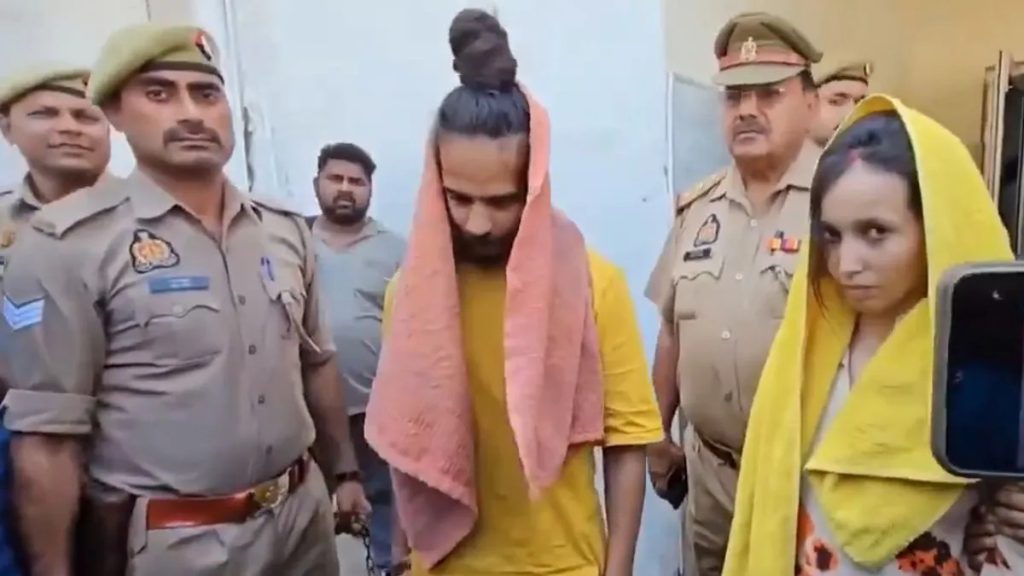
In a move that stunned many, Saurabh’s grandmother recently visited Sahil, the man accused of her grandson’s murder, in jail. She brought clothes and snacks for him, a gesture that left many wondering about the emotional and psychological turmoil that the family was undergoing. How could she, a grieving grandmother, still show kindness to the person who allegedly ended her beloved grandson’s life? What was behind this complex, compassionate yet bewildering act of kindness? In this blog, we will explore the complexities of family dynamics, grief, and the emotional upheaval that leads someone to make such an unexpected decision.
The Murder of Saurabh: A Tragic Event That Shattered Lives
Before we delve into the grandmother’s visit to Sahil, it’s important to understand the sequence of events that led to the tragic murder of Saurabh. Saurabh and Sahil had been friends for many years. Their bond, built over time, was once strong, but somewhere along the way, the friendship began to deteriorate. Tensions and misunderstandings simmered, and jealousy and resentment crept into their relationship.
Saurabh’s murder shocked everyone who knew him. He was a young man full of life, dreams, and aspirations. He was also the breadwinner for his family, which made the loss even more devastating for his loved ones. Initially, the investigation pointed to several potential suspects, but soon, the trail led to Sahil. It was revealed that Sahil had been involved in a heated argument with Saurabh, and in a fit of rage, the friendship turned deadly.

The investigation into the murder revealed gruesome details of the crime. Sahil, allegedly consumed by anger and perhaps fueled by financial disputes or personal grievances, had taken a drastic step. The shocking part of the whole ordeal was not just the murder itself but the sense of betrayal and loss that those closest to Saurabh felt. A childhood friend, someone who had been a part of Saurabh’s life, was responsible for his untimely death. For Saurabh’s family, especially his grandmother, the pain of losing a loved one was further compounded by the fact that the person responsible was someone they knew well.
A Grandmother’s Grief: Navigating the Unimaginable Loss
Saurabh’s grandmother, like many older individuals, had likely grown up in a time where family bonds were held in the highest regard. The elderly often place immense trust in relationships, believing that familial ties and friendships will weather the storms of life. For her, Saurabh was not just a grandson; he was the embodiment of love, care, and hope. His untimely death shook her to her core, and the pain was more than she could bear.
The relationship between a grandparent and grandchild is often filled with deep affection and emotional connection. Grandparents frequently see their grandchildren as the future and an extension of their legacy. For Saurabh’s grandmother, the loss of him must have felt like a part of herself had been taken away. Yet, amidst the overwhelming grief, there were still other complex emotions that swirled around her heart.
What makes grief particularly hard for the elderly is the feeling of helplessness and the perceived loss of control over life’s events. Saurabh’s grandmother may have struggled with feelings of disbelief, shock, and anger. But even in her profound sorrow, she may have found herself facing another dilemma: the reality that the person responsible for the murder was once considered family by another name — Sahil.
The Unexpected Visit: A Gesture of Compassion or Confusion?
It was during this time of immense personal grief that Saurabh’s grandmother made the unexpected decision to visit Sahil in jail. This visit, which shocked the local community, raised many questions. How could a grieving grandmother, who had just lost her beloved grandson to murder, extend kindness to the accused? She brought clothes and snacks for Sahil, which seemed like an odd gesture considering the circumstances.
To understand this, we need to explore the complex nature of human emotions and the psychological process of grief. Grief is not a linear experience. It is often messy, contradictory, and difficult to navigate. Saurabh’s grandmother, despite the pain, may have been grappling with many conflicting emotions, which led her to this bewildering action. Her visit to Sahil may not have been a sign of forgiveness, but perhaps a deep-seated need to understand why her grandson’s life was taken away in such a violent manner.
For many elderly individuals, especially those who have lived through difficult times, compassion and empathy are values that are deeply ingrained. Despite the anger and sadness she felt towards Sahil for ending her grandson’s life, Saurabh’s grandmother might have still seen in him the child she once knew, the young boy she had watched grow up. The memories of their friendship, the times they had spent together, could have weighed heavily on her heart, leading her to act with kindness despite the overwhelming circumstances.
It is also important to note that this act could stem from a sense of duty or responsibility. In certain cultural contexts, elders are often seen as the keepers of family values and reconciliation. Perhaps Saurabh’s grandmother, despite her deep pain, felt that her role was not just to mourn but also to help bring some sense of closure to the situation. By bringing Sahil clothes and snacks, she might have been trying to maintain a sense of humanity and compassion in an otherwise bleak situation. It could have been an effort to communicate that no matter the crime, the value of human dignity should still be upheld.
The Role of Religion and Culture in Grief and Forgiveness
In many cultures, particularly in India, family and community play a significant role in the emotional well-being of individuals. Saurabh’s grandmother might have been influenced by cultural and religious principles that promote forgiveness and compassion, even in the face of profound loss. These principles often stem from religious teachings, which advocate for empathy, understanding, and the possibility of redemption.
In the Hindu faith, for example, there is a strong emphasis on the idea of karma and the belief that actions in this life will impact the soul’s journey in the afterlife. Saurabh’s grandmother might have viewed her act of kindness towards Sahil not as an endorsement of his actions but as a way of exercising compassion, even if it meant helping someone who had wronged her family. Such actions are often seen as part of the healing process, both for the individual and the community. Her visit may have been an attempt to transcend her own suffering by showing that kindness can be extended even in the darkest of times.
Forgiveness, in this context, is not about absolving someone from the consequences of their actions but about letting go of personal resentment. It is a deeply personal act that helps individuals come to terms with their pain and prevent it from consuming them. For Saurabh’s grandmother, this could have been a way of processing her grief and dealing with the shock of betrayal, while still maintaining her faith in the fundamental goodness of human beings.
The Psychological Aspect of Grief: Why People Respond Differently
Grief is an intensely personal experience, and every individual handles it differently. Some people may become angry, others might withdraw, and some might even experience feelings of guilt or confusion. For Saurabh’s grandmother, her grief manifested in an unexpected way — by reaching out to the very person who had caused her unimaginable pain.
Psychologically, this may be understood as an attempt to regain control over the situation. By showing kindness to Sahil, Saurabh’s grandmother may have been trying to make sense of the loss and the hurt that had been caused. In many ways, this action could represent an attempt to come to terms with the fact that someone she once trusted had taken her grandson’s life. It is also possible that she felt an overwhelming need to find closure, even if it meant confronting the person responsible in a way that others might find unimaginable.
This complexity in human emotions often leads to surprising actions. Saurabh’s grandmother could have been trying to process the pain in her own way, and the visit to Sahil may have been an act of personal catharsis. The act of bringing clothes and snacks to Sahil, while shocking to some, could have been a means of coping with the intense emotional conflict she was experiencing.
A Family Torn Apart: The Emotional Consequences of Saurabh’s Murder
The repercussions of Saurabh’s murder extend far beyond the physical act of violence. The emotional toll it has taken on his family, especially his grandmother, is immense. Saurabh’s death not only shattered their lives but also created a rift in the very fabric of their family. The complexity of the emotions felt by Saurabh’s grandmother — grief, betrayal, sorrow, anger — is something that many family members struggle to express, and her visit to Sahil was perhaps her way of dealing with these overwhelming feelings.
For Saurabh’s parents, the tragedy is compounded by the fact that their son’s death was caused by someone who had once been considered part of the family. Sahil’s actions have not only taken their son away but have also led to an emotional fracture that might never be healed. Saurabh’s grandmother, in a moment of grief and confusion, might have seen the visit to Sahil as a way to bridge that gap, even if just for a moment, to make sense of a senseless act.
Conclusion: The Complexity of Grief and Forgiveness
Saurabh’s grandmother’s visit to Sahil in jail is a deeply complex and multifaceted moment in a tragedy that has left an indelible mark on everyone involved. Her act of bringing clothes and snacks to the accused murderer is both a heartbreaking and compassionate gesture, one that speaks to the contradictory nature of grief and human emotion.
While many may find it difficult to comprehend how someone could extend kindness to the person responsible for such a horrific act, it is essential to recognize the deep emotional and psychological complexities that shape our responses to loss and betrayal. Grief is not a simple emotion; it is a journey filled with confusion, pain, and sometimes, unexpected acts of humanity. For Saurabh’s grandmother, her visit to Sahil may have been an attempt to process the pain of losing her grandson, a step toward healing, or even an effort to find closure in a situation that has left her family devastated.
In the end, this tragedy serves as a reminder of the unpredictable nature of human emotion, the weight of personal loss, and the complexities of forgiveness and grief.
read more latest news

