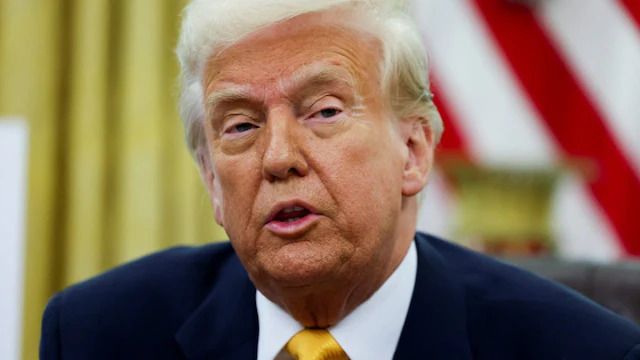
Global Trade War On The Cards? Trump Threatens More Tariffs On EU & Canada, Draws Retaliation
Global Trade In the world of international trade, few things send waves of concern through global markets quite like the threat of a trade war. With its potential to disrupt supply chains, influence currency values, and push inflationary pressures across economies, the idea of escalating tariffs and trade restrictions can trigger a chain reaction of political and economic fallout. Over recent years, the specter of a global trade war has loomed large, as major economies wrestle with each other over policies, access to markets, and concerns over trade imbalances. One such example is the ongoing tension between the United States and its allies, particularly the European Union (EU) and Canada.
The year 2025 finds us once again at a critical juncture in the global trade landscape, as former President Donald Trump’s rhetoric and policies continue to reverberate through the international stage. His administration’s aggressive stance towards tariffs set the tone for what seemed like a never-ending battle between the U.S. and its key trade partners. The promise of more tariffs on European and Canadian goods and services has led to further polarization, pushing the world closer to a full-blown Global Trade war.
In this blog, we will explore the developments that have taken place regarding Trump’s threats to impose additional tariffs on the European Union and Canada, the retaliatory actions these threats have sparked, and what the future holds for global trade under the shadow of increasing protectionism. Let’s delve into the issue and unpack the far-reaching implications of a trade war.
A Recap of the U.S. Tariffs Saga: Background and Causes
The Trump administration’s trade policies, particularly its use of tariffs, were among the most contentious aspects of his presidency. The former president famously adopted a “America First” approach, focusing on reducing trade deficits and bringing manufacturing jobs back to the U.S. The key cornerstone of his trade strategy was the imposition of tariffs on foreign goods, particularly those from China, the EU, and Canada Global Trade.
The trade war with China began in 2018 when the U.S. slapped tariffs on Chinese imports, triggering reciprocal measures by China. This move stemmed from accusations of unfair trade practices by China, including intellectual property theft, forced technology transfers, and unfair subsidies to state-owned enterprises. The imposition of tariffs on a wide range of Chinese goods led to a series of retaliatory tariffs from China, which further strained the economic relationship between the two nations. However, it wasn’t just China that felt the brunt of Trump’s tariffs. The EU and Canada also found themselves on the receiving end of new import duties Global Trade.

One of the primary points of contention with the European Union and Canada was the issue of steel and aluminum tariffs. In 2018, Trump imposed tariffs of 25% on steel imports and 10% on aluminum, arguing that foreign competition was undermining U.S. industries and posing a threat to national security. The EU and Canada vehemently opposed these tariffs, calling them unjustified and a violation of World Trade Organization (WTO) rules. In retaliation, both the EU and Canada targeted U.S. exports with their own tariffs on American goods, including iconic products such as bourbon, Harley-Davidson motorcycles, and peanut butter Global Trade.
While these trade disputes persisted throughout Trump’s presidency, the issue was never fully resolved. Even after Trump’s exit from office, his policies continued to shape U.S. foreign relations, with his threats of further tariffs hanging over the heads of the EU and Canada Global Trade.
Trump’s Latest Threats: More Tariffs on the Horizon?
As 2025 unfolds, the former president continues to make waves on the global trade stage, reviving old threats and policies from his administration. In recent months, Trump has once again been vocal about the possibility of introducing new tariffs on EU and Canadian goods. He has cited trade imbalances and market access issues as key reasons for the proposed tariffs. At the heart of Trump’s argument is the belief that the EU and Canada have long enjoyed unfair advantages when it comes to trade with the U.S.
Trump’s public statements about imposing additional tariffs have triggered alarm bells across the globe. While some U.S. manufacturers may benefit from the protectionism associated with tariffs, the broader impact on industries such as agriculture, technology, and consumer goods could be profound. Additionally, the threat of further tariffs has raised concerns among global investors, who worry about the stability of international trade systems Global Trade.
Trump’s rhetoric around imposing new tariffs is rooted in his belief that the U.S. has been taken advantage of by its trading partners. Specifically, he has criticized the EU for what he perceives as its failure to lower trade barriers for U.S. exports and for maintaining agricultural subsidies that harm American farmers. Similarly, his criticism of Canada centers around dairy tariffs, which he claims restrict American access to Canadian markets Global Trade.
It’s important to note that while Trump’s threats of tariffs are often framed in terms of fairness and economic justice, they are also a tool of diplomacy. Trade tariffs are not just about economics; they are also used as leverage in negotiations. Trump’s threats could serve as a bargaining chip to extract concessions from the EU and Canada on issues such as market access, subsidies, and trade rules. However, this aggressive approach comes with risks, particularly the potential for retaliatory measures.
Retaliation: The EU and Canada Fight Back
Unsurprisingly, Trump’s threats have not gone unanswered. The European Union and Canada have both signaled their intent to retaliate against any further U.S. tariffs with countermeasures of their own. The EU has already made it clear that it will take action if the U.S. imposes additional tariffs, particularly on sectors such as automobiles and agricultural products. In the past, the EU has retaliated with tariffs on iconic American products, including jeans, motorcycles, and bourbon, and it is likely that similar measures will be implemented again in response to new tariffs.
The Canadian government has also made it clear that it will not back down in the face of U.S. threats. Prime Minister Justin Trudeau’s administration has stated that Canada will take appropriate measures to protect Canadian interests if Trump follows through with his tariff threats. For example, Canada may target U.S. goods in key sectors such as steel, aluminum, and agricultural products.
The EU and Canada’s willingness to retaliate underscores the broader risks of a trade war: the imposition of tariffs can have unintended consequences that affect a wide range of industries and consumer prices. For instance, Canadian dairy producers could see reduced access to U.S. markets, while European automakers could face higher tariffs on vehicles exported to the U.S. Similarly, American consumers could face higher prices for goods that are subject to tariffs.
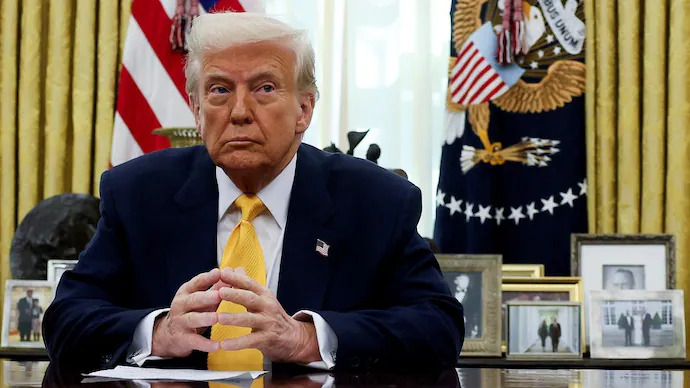
The potential for a full-scale trade war between the U.S. and its closest allies would have ripple effects on global markets, disrupting established trade relationships and introducing uncertainty into the international trading system.
The Global Implications: Can We Avoid a Full-Blown Trade War?
A global trade war would have far-reaching consequences for economies around the world. Beyond the immediate effects on the U.S., EU, and Canadian economies, such a conflict could disrupt supply chains, increase production costs, and reduce global economic growth. The impact would likely be felt most acutely by small and medium-sized enterprises that depend on international trade for their survival.
One of the biggest concerns about the potential for a trade war is the risk of escalation. If the U.S. imposes new tariffs on the EU and Canada, it could trigger a cycle of retaliatory measures that spiral out of control. This could lead to a breakdown in international trade cooperation and a shift towards more protectionist policies, further disrupting global supply chains and increasing market volatility.
Moreover, a trade war would likely have significant geopolitical consequences. Countries like China, Russia, and India could capitalize on the disruption caused by U.S.-EU-Canada tensions, strengthening their own trade relationships while undermining Western-led trade institutions. The shift towards a more fragmented global trade system could accelerate the decline of multilateral institutions such as the World Trade Organization (WTO), which have long served as arbiters in resolving trade disputes.
However, it is possible that a full-blown trade war could be avoided through diplomatic efforts. There are signs that both the EU and Canada are willing to engage in negotiations to resolve their differences with the U.S. As trade issues continue to evolve, dialogue between key stakeholders could help to de-escalate tensions and reach mutually beneficial agreements that avoid the worst outcomes of a trade war.
Conclusion: A Path Forward?
The possibility of a global trade war between the U.S., EU, and Canada remains a live issue, with tensions escalating over tariff threats and retaliatory measures. While the threat of new tariffs is real, the consequences of a trade war would be severe, not just for the involved countries but for the entire global economy. The challenge for world leaders will be to find a way to resolve their differences without further escalating the conflict.
As the international community watches closely, it is clear that the future of global trade will depend on the ability of key nations to engage in dialogue and find common ground on issues such as market access, subsidies, and trade rules. Whether or not a trade war is avoided remains to be seen, but one thing is certain: the stakes are incredibly high, and the world is holding its breath.
The global trade system is at a crossroads, and the next few months will likely shape the future of international commerce for years to come. Will Trump’s tariffs provoke a full-blown trade war, or will cooler heads prevail in the face of mounting pressure? Only time will tell.
read more latest news