
Mumbai Boat Accident:
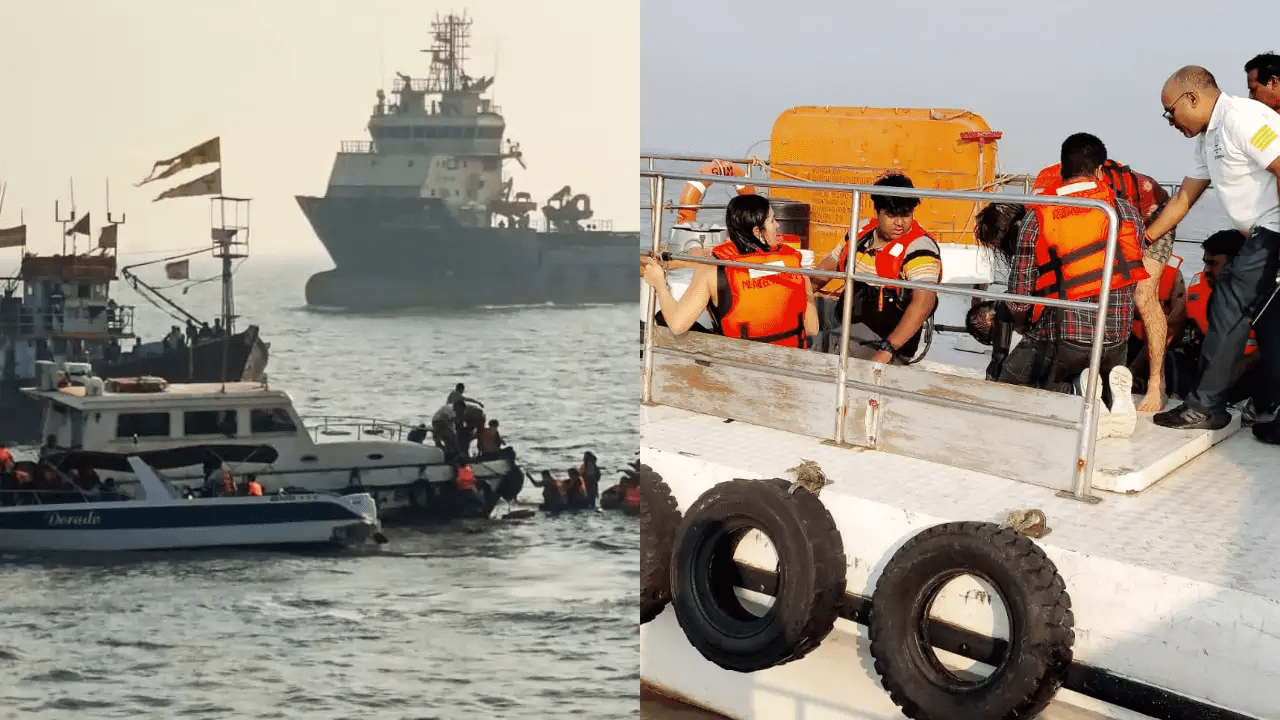
The tragic boat accident near Mumbai has left a trail of harrowing stories and emotional scars among survivors. The incident, which took place off the city’s coast, saw a leisure Boat Accident capsize due to rough seas, leading to panic and chaos among the passengers. In a gripping account, a Central Industrial Security Force (CISF) jawan who was onboard the ill-fated boat shared his ordeal and highlighted the extreme measures people were prepared to take to survive.
The Incident: A Day of Tragedy
The Boat Accident, carrying over 70 passengers, including children and elderly individuals, was on a routine cruise when it encountered turbulent waters. Strong winds and high waves overwhelmed the vessel, causing it to tilt precariously before capsizing. The suddenness of the event left passengers with little time to react, plunging them into the water.
Rescue operations were swiftly launched by the Indian Coast Guard and local authorities, but the chaos onboard before the Boat Accident capsized added to the gravity of the situation.
CISF Jawan’s Account: Survival Amidst Chaos
Speaking to the media, the CISF jawan recounted the moments leading up to the accident and the aftermath. “It was sheer panic. People were screaming, holding onto anything they could find. Some were even ready to throw their children into the ocean, hoping someone else would save them,” he said.
The jawan’s training and composure played a critical role in assisting others. He described forming a human chain with other passengers to keep people afloat and calm. “I tried to reassure them that help would come and that we needed to stick together,” he added.
Emotional Toll on Survivors
For many survivors, the trauma of the event will take a long time to heal. Parents, in particular, were seen clutching their children tightly, reliving the moments of near loss. Several passengers reported losing their belongings, including phones and wallets, during the chaos.
One survivor, a mother of two, shared her experience: “I had to make a split-second decision. I held onto my younger child while shouting for someone to grab my elder one. It’s a miracle we all made it out alive.”
Rescue Operations: A Race Against Time
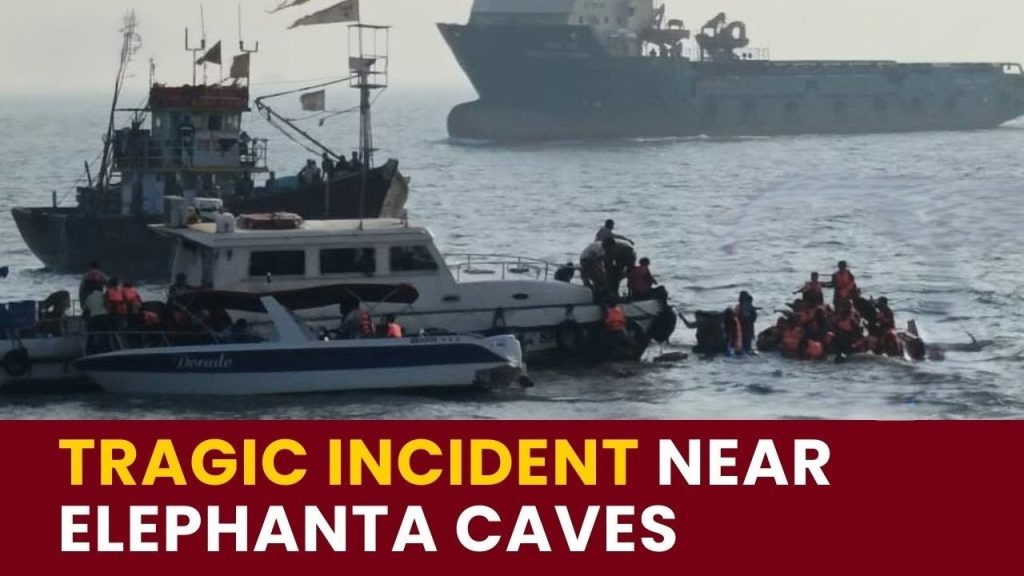
The rescue teams’ prompt response was instrumental in saving lives. Using helicopters, speedboats, and divers, the Coast Guard managed to locate and retrieve most of the passengers. However, the operation was not without its challenges. High tides and poor visibility hampered efforts, and initial reports suggest that a few passengers are still unaccounted for.
Local fishermen also played a heroic role, joining the search and rescue efforts with their Boat Accident. One fisherman stated, “We knew the waters well and were determined to help. It was a race against time to pull people out.”
Investigation Underway
Authorities have launched an investigation to determine the cause of the accident. Preliminary reports suggest that the Boat Accident was operating despite warnings of rough seas issued by the meteorological department. Overcrowding and lack of adequate safety measures onboard are also being scrutinized.
Experts are calling for stricter regulations and better enforcement to prevent such incidents in the future. “Boats must adhere to safety protocols, including life jackets for every passenger and proper training for the crew,” said a maritime safety expert.
Lessons and Reforms
This tragic incident has brought to light the vulnerabilities in maritime safety in India. Key takeaways from the accident include:
- Strengthened Regulations: Ensuring all vessels comply with safety norms, including capacity limits and weather advisories.
- Enhanced Training: Mandating safety drills and training for crew members to handle emergencies.
- Public Awareness: Educating passengers about safety measures and the importance of life jackets.
- Improved Rescue Infrastructure: Expanding the reach and capabilities of the Coast Guard and local authorities for quicker responses.
Community Support and Healing
As the survivors come to terms with the ordeal, local communities and NGOs have stepped in to provide support. Counseling sessions are being arranged for those grappling with trauma, and efforts are underway to help families recover their belongings and seek compensation.
“It’s heartening to see the community come together in times of crisis,” said a volunteer assisting survivors. “We hope to help them rebuild their lives and move forward.”
Conclusion
The Mumbai boat accident serves as a stark reminder of the unpredictability of nature and the importance of preparedness. While the courage and resilience of the survivors and rescuers are commendable, the incident underscores the need for systemic reforms to ensure maritime safety. As authorities piece together the events that led to the tragedy, the focus must remain on preventing such incidents in the future and supporting those affected by this harrowing experience.
read more latest news

