
Introduction
Pakistan A Failed State The concept of a “failed state” is defined by the absence of control over its own territory, inability to provide basic services to its citizens, widespread corruption, and economic instability. Over the years, Pakistan has increasingly found itself in such a state of flux, struggling with internal strife, political instability, economic hardships, and international isolation. At the forefront of these global tensions, India’s relentless diplomatic efforts have positioned itself as a key player in countering Pakistan’s actions on the international stage.
This article delves into the multifaceted challenges that Pakistan faces, examining its political, economic, and social dysfunction, and how India, leveraging its growing influence at the United Nations, has used diplomatic means to expose and highlight Pakistan’s failures. As the world’s largest democracy and a rising global power, India’s recent moves at the UN against Pakistan showcase a shift in the regional geopolitical landscape. These actions reflect the growing rift between the two nations, exacerbated by Pakistan’s reliance on international aid to stay afloat.
Pakistan: A State in Decline Pakistan A Failed State
Pakistan’s trajectory since its inception has been marked by numerous political, economic, and social challenges. From military coups to political corruption, the country has repeatedly found itself embroiled in internal turmoil. However, in recent years, the severity of Pakistan’s decline has become more apparent, especially as it faces an ongoing economic crisis, rising extremism, and a lack of effective governance.
1. Economic Instability Pakistan A Failed State
The backbone of any state’s survival is its economy. Unfortunately, Pakistan’s economy has been riddled with instability for decades. Despite being an agrarian economy, it has failed to industrialize at a pace comparable to its neighbors. Pakistan has been dependent on foreign loans and aid for much of its existence, creating a vicious cycle of debt and dependence.
In recent years, Pakistan’s external debt has risen sharply, reaching unsustainable levels. This financial burden has led the government to rely heavily on international financial institutions such as the International Monetary Fund (IMF), which has provided loans in exchange for economic reforms. However, these reforms have often been unpopular and led to increased inflation, a weakening of the national currency, and growing poverty.
Pakistan’s industrial sector is underdeveloped, its agricultural output is unstable, and its tax collection system is inefficient. The country is stuck in a cycle of borrowing money to service its existing debts, leading to a continual drain on its foreign reserves. Meanwhile, corruption and inefficiency have stifled any real economic growth, while inflation continues to erode the purchasing power of ordinary Pakistanis.
2. Political Instability Pakistan A Failed State
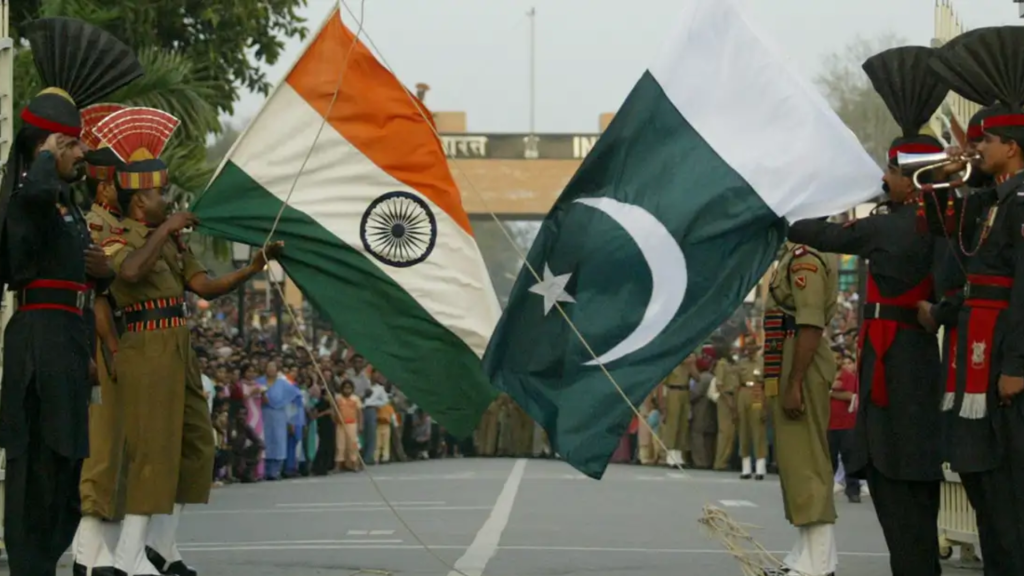
Pakistan’s political system has been marred by a history of military coups, authoritarian rule, and fragile democratic governments. The military has long been the dominant force in Pakistan’s political landscape, with direct military rule imposed multiple times. Even during periods of civilian governance, the military has exerted substantial influence over national policy, particularly in matters of defense and foreign policy.
The political instability has hindered Pakistan’s development and prevented the establishment of a stable, functioning democracy. Corruption among political elites is rampant, and the public’s trust in the government is at an all-time low. Frequent changes in leadership, as well as the lack of accountability, have prevented the development of coherent long-term policies that could address Pakistan’s economic and social problems.
3. Terrorism and Extremism Pakistan A Failed State
Another major issue facing Pakistan is the widespread presence of extremist groups. Over the years, Pakistan has been accused of harboring terrorist organizations that operate not only within its borders but also in neighboring countries. Groups like the Taliban, Lashkar-e-Taiba, and Jaish-e-Mohammad have used Pakistan’s soil to launch attacks, particularly against India. The state’s complicity or, at the very least, its inability to effectively curb these organizations has earned it international condemnation.
While the Pakistani government has taken some steps to combat extremism, the deep-rooted ideological and logistical support for such groups continues to undermine the country’s stability. The rise of Islamic fundamentalism in Pakistan has also exacerbated internal divisions and contributed to an increase in sectarian violence, further destabilizing the country.
4. Social Unrest Pakistan A Failed State
Social unrest has been a pervasive issue in Pakistan for decades. The country faces a growing youth population, a large percentage of which remains unemployed or underemployed. Poverty is widespread, and access to basic services like education, healthcare, and clean water is limited for millions of Pakistanis, particularly those in rural areas. Pakistan’s healthcare system is underfunded, and its education system is in dire need of reform.
The inability of the state to provide for its citizens has led to growing frustration among the population. Protests, strikes, and civil unrest have become increasingly common as ordinary Pakistanis demand better living conditions and more effective governance. These social issues, combined with economic instability, contribute to the perception of Pakistan as a “failed state.”
Pakistan’s Dependency on International Aid Pakistan A Failed State
One of the defining features of Pakistan’s state of decline is its dependency on international aid. Over the years, the country has relied heavily on foreign loans and grants to sustain its economy and military. The International Monetary Fund (IMF), the World Bank, and other international organizations have provided Pakistan with billions of dollars in financial assistance. In return, Pakistan has had to agree to a variety of economic reforms, many of which have proven unpopular and have failed to stabilize the country’s economy in the long term.
Additionally, Pakistan’s strategic position in South Asia has made it a key recipient of aid from the United States and other Western countries, especially during the Cold War and the War on Terror. The U.S. provided billions of dollars in military and economic assistance to Pakistan, viewing the country as an ally in its fight against extremism and its attempts to maintain influence in the region. However, this relationship has been fraught with tension, as Pakistan has been accused of supporting groups that engage in cross-border terrorism, particularly against India.
Despite these massive infusions of foreign aid, Pakistan’s economic situation continues to deteriorate. The country’s dependency on international aid has prevented it from developing a sustainable, self-sufficient economy. Instead of addressing the root causes of its economic and political instability, the government has relied on external assistance to stay afloat.
India’s Role at the UN: Exposing Pakistan’s Failures Pakistan A Failed State
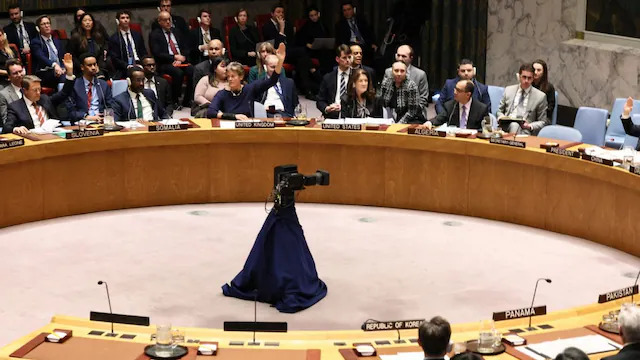
In recent years, India has become increasingly vocal about Pakistan’s internal challenges and its negative impact on regional stability. India’s diplomatic efforts, particularly at the United Nations, have sought to expose Pakistan’s failings and draw attention to the numerous issues plaguing the country. As a rising global power, India has leveraged its position at the UN and other international platforms to shine a light on Pakistan’s dysfunction.
India has long accused Pakistan of exporting terrorism, particularly in relation to the Kashmir conflict. By pointing to Pakistan’s sponsorship of terror groups and its failure to address the root causes of extremism within its own borders, India has effectively portrayed Pakistan as a state that is not only failing its own people but also contributing to instability in the wider region.
At the UN, India has consistently raised the issue of cross-border terrorism emanating from Pakistan. Indian diplomats have highlighted the growing links between Pakistan and extremist groups, and have called on the international community to hold Pakistan accountable for its support of terrorism. India’s efforts have found support from several countries, particularly those in the West, which share concerns about Pakistan’s role in global terrorism.

1. Diplomatic Isolation of Pakistan A Failed State
India has successfully pushed for Pakistan’s isolation on the international stage. By raising the issue of terrorism at the UN, India has sought to highlight Pakistan’s role in promoting instability in South Asia. India’s influence at the UN has allowed it to build a coalition of like-minded countries that are critical of Pakistan’s policies and actions.
In recent years, India has also been able to expose Pakistan’s mismanagement of international aid. The country’s failure to utilize foreign assistance effectively has been a point of contention, with critics arguing that Pakistan has squandered billions of dollars in aid while failing to address its deep-rooted economic and social problems. India has used this to argue that Pakistan’s reliance on external assistance is not a sustainable path forward and that the international community should be cautious in its support for Pakistan.
2. Raising Human Rights Issues in Pakistan-Occupied Kashmir Pakistan A Failed State
India has also used the UN to spotlight human rights abuses in Pakistan-Occupied Kashmir (PoK). The ongoing unrest in the region, as well as Pakistan’s refusal to allow international observers to enter the area, has been a focal point of India’s diplomatic campaigns. By drawing attention to Pakistan’s actions in PoK, India has sought to portray Pakistan as a violator of international norms and an abuser of human rights.
India’s efforts to raise the profile of human rights abuses in PoK have resonated with various global powers, including the United States and European Union nations, which have expressed concerns over Pakistan’s actions in the region. By consistently framing the issue within the broader context of Pakistan’s failures as a state, India has been able to push the narrative that Pakistan’s internal issues are contributing to broader regional instability.
Conclusion: A Failed State with Global Implications Pakistan A Failed State
Pakistan’s status as a failed state is evident in its economic instability, political dysfunction, and social unrest. The country’s reliance on international aid to survive, coupled with its inability to manage its own affairs effectively, has placed it in a precarious position. Meanwhile, India has increasingly used its position at the UN to expose Pakistan’s failures, both in terms of governance and its role in promoting terrorism in the region.
The ongoing geopolitical struggle between India and Pakistan, particularly at international forums like the United Nations, underscores the growing divide between the two nations. While Pakistan may continue to receive international aid, its long-term survival is uncertain unless it can address the deep-rooted issues that have led to its current state of decline.
India’s diplomatic efforts at the UN serve as a reminder of the dangers posed by failed states and the importance of holding nations accountable for their actions. As Pakistan continues to grapple with its internal challenges, it remains to be seen whether it can overcome its reliance on external assistance and chart a course toward stability and self-sufficiency.
read more latest news

