

The Milkipur by-election of 2025 has sent ripples across the political landscape in Uttar Pradesh, marking a significant shift in the state’s political dynamics. With a resounding victory, BJP’s candidate Chandrabhan Paswan has created history, defeating SP’s Ajit Prasad by a staggering margin of 42,000 votes. This result is more than just a political win; it is a story of perseverance, strategy, and the changing tides of electoral sentiment in one of India’s most politically crucial states.
The by-election in Milkipur, held in February 2025, was triggered by the sudden death of the incumbent MLA, whose passing left a seat open in this crucial constituency. The seat, located in the heart of Uttar Pradesh, is considered a significant battleground between the state’s two dominant parties: the Bharatiya Janata Party (BJP) and the Samajwadi Party (SP).
The Milkipur Constituency: A Snapshot
Milkipur is situated in the Faizabad district of Uttar Pradesh and is an important region with a diverse electorate. The constituency has historically been a site of intense political competition between the major parties. The demographics of Milkipur are varied, with a mix of rural and urban voters, which makes it a microcosm of Uttar Pradesh’s larger electoral dynamics.
Over the years, the constituency has been a stronghold of both the BJP and SP, with each party attempting to establish dominance in this key seat. This by-election was not just a battle for control of the constituency but also a symbolic fight for political supremacy in the region.
The Political Battle: BJP vs. SP
The by-election attracted considerable attention due to the high-profile candidates from both the BJP and SP. Chandrabhan Paswan, the BJP’s candidate, has been a known figure in the region with a strong local support base. His background in social work and grassroots politics made him a popular choice among the electorate, especially the marginalized sections of society. Paswan’s candidacy was seen as a clear signal that the BJP was not willing to leave any stone unturned in this high-stakes election.
On the other hand, Ajit Prasad, the SP’s candidate, had the backing of the party’s strong infrastructure in the region. The Samajwadi Party has traditionally enjoyed support from the Yadav and Muslim communities, both of which constitute significant portions of the electorate in Milkipur. Ajit Prasad’s campaign was fueled by the hope of maintaining the SP’s dominance in the constituency, building on the party’s legacy in the region.
Campaign Strategies: The Art of Winning Elections
The Milkipur by-election was a fierce contest, with both the BJP and SP pouring resources into the campaign.
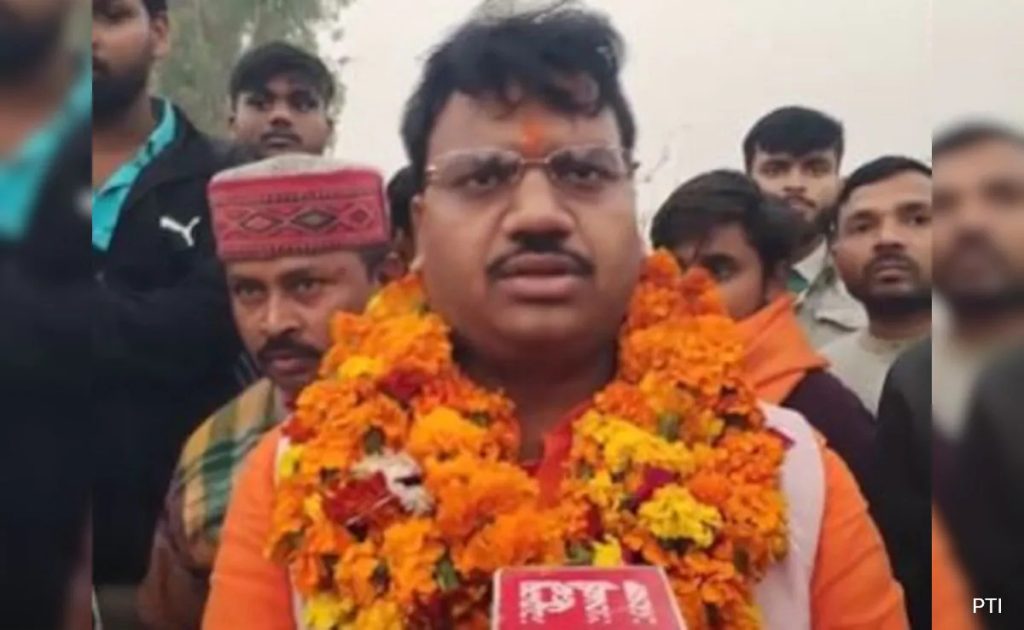
BJP’s Strategy: A Focus on Development and Social Justice
Chandrabhan Paswan’s campaign was deeply rooted in the themes of social justice, development, and empowerment. The BJP emphasized its commitment to uplifting the marginalized communities and providing them with the necessary infrastructure and welfare programs. Paswan’s ties with the Dalit and backward communities were central to the BJP’s strategy, as the party sought to consolidate support from the underprivileged sections of the electorate. The party also focused heavily on issues such as infrastructure development, better healthcare, and education, positioning Paswan as the candidate who could bring lasting change to Milkipur.
In terms of campaign machinery, the BJP mobilized its extensive network of workers and volunteers, ensuring that every corner of Milkipur was covered. From door-to-door campaigning to large rallies, the BJP left no stone unturned in its bid to win the seat. The party also capitalized on the popularity of Prime Minister Narendra Modi and Chief Minister Yogi Adityanath, whose leadership was often highlighted in BJP’s messaging.
SP’s Strategy: Building on Traditional Support
Ajit Prasad’s campaign was built on the traditional pillars of the Samajwadi Party: pro-farmer policies, pro-youth initiatives, and a focus on social justice. The SP emphasized its track record of championing the cause of the Yadav and Muslim communities, which had historically been the backbone of the party in the region. Prasad’s message was simple: he would continue to work for the welfare of the rural population, particularly the farmers, who make up a large portion of the Milkipur electorate.
The Samajwadi Party also focused on portraying the BJP as an outsider that was attempting to disrupt the harmony and progress achieved by the SP in the region. Campaigning in local dialects and connecting with voters on a personal level were key strategies used by the SP.
The Big Day: Voting and Counting
The voting day was marked by high voter turnout, with both parties working hard to ensure their supporters turned out in full force. While the BJP’s strategy of organizing rallies and ensuring their supporters were motivated to vote worked to their advantage, the SP also focused on mobilizing their base, particularly in rural areas.
Polling stations across Milkipur saw heavy crowds, and the electorate appeared energized, aware of the stakes at hand. The election, while competitive, remained largely peaceful, with no major incidents reported on voting day.
The Result: Chandrabhan Paswan’s Historic Win
When the results started pouring in, it quickly became clear that the BJP had secured a decisive victory. Chandrabhan Paswan emerged victorious, defeating Ajit Prasad by a margin of 42,000 votes, a margin larger than anyone had anticipated. This was a historic moment for the BJP, as it marked a significant step toward consolidating its influence in Uttar Pradesh.
Paswan’s victory is being seen as a reflection of the growing appeal of the BJP’s developmental agenda and its commitment to social justice. The party’s emphasis on empowerment of marginalized communities, along with its infrastructure push, resonated with voters in Milkipur, leading to a stunning defeat for the Samajwadi Party.
For the Samajwadi Party, the loss came as a shock. Despite their strong base in the region and a well-organized campaign, Ajit Prasad could not match the groundswell of support for Paswan. The defeat also raised questions about the future of the SP in the region and what this would mean for the party in the upcoming state elections.
The Aftermath: What Does This Victory Mean for BJP?
Chandrabhan Paswan’s victory in Milkipur is not just a win for him personally, but for the BJP as a whole. The result underscores the party’s ability to expand its influence in new territories, even in areas traditionally considered strongholds of the opposition. The victory is also a testament to the effectiveness of the BJP’s outreach to marginalized communities and its ability to resonate with rural voters.
This win has far-reaching implications for the BJP’s future strategy in Uttar Pradesh, especially as the state gears up for the 2027 assembly elections. Paswan’s success signals that the BJP is not just focusing on urban areas but is also making significant inroads in rural constituencies, which are crucial for any party seeking a majority in the state.
The win also highlights the importance of social justice in the BJP’s narrative. Paswan, a member of the Dalit community, has been seen as a symbol of the party’s commitment to inclusive politics. His victory is likely to encourage the BJP to field more candidates from backward and Dalit communities, aiming to further consolidate its base among these sections of society.
What’s Next for Samajwadi Party?
For the Samajwadi Party, the defeat in Milkipur raises several questions about the future trajectory of the party in Uttar Pradesh. The SP has long been the dominant force in the state’s rural areas, but its loss in this by-election could signal a shifting tide in favor of the BJP.
Ajit Prasad’s defeat is a blow to the SP’s strategy of relying on traditional caste-based politics to retain control in constituencies like Milkipur. The party will need to reassess its approach to rural voters and rethink its strategies to maintain its relevance in Uttar Pradesh’s complex electoral landscape.
Moreover, the loss places additional pressure on SP leader Akhilesh Yadav to provide clarity on his party’s future course. The party will likely need to strengthen its outreach to rural and backward communities to stay competitive with the BJP, especially as the 2027 assembly elections draw closer.
Conclusion: A Defining Moment in Uttar Pradesh Politics
The Milkipur by-election result of 2025 is a landmark moment in Uttar Pradesh’s political journey. BJP’s Chandrabhan Paswan’s historic victory over SP’s Ajit Prasad is more than just a seat change—it reflects the larger political realignment happening in the state. The BJP’s increasing dominance in rural Uttar Pradesh, combined with its growing support among marginalized communities, is reshaping the political map of the state.
For the BJP, this win is a significant feather in the cap ahead of the 2027 elections, further cementing its position as the party to beat in Uttar Pradesh. For the SP, it is a wake-up call to reassess its strategies and find new ways to connect with voters. As the state braces for more elections, the Milkipur result will undoubtedly serve as a benchmark, a reminder of the shifting sands of Indian politics, and a hint at what’s to come in the state’s dynamic electoral future.
In the end, Milkipur’s 2025 by-election will be remembered not just for its immediate political outcome, but for the larger implications it carries for Uttar Pradesh and its place in India’s electoral landscape.
Read More latest news

