
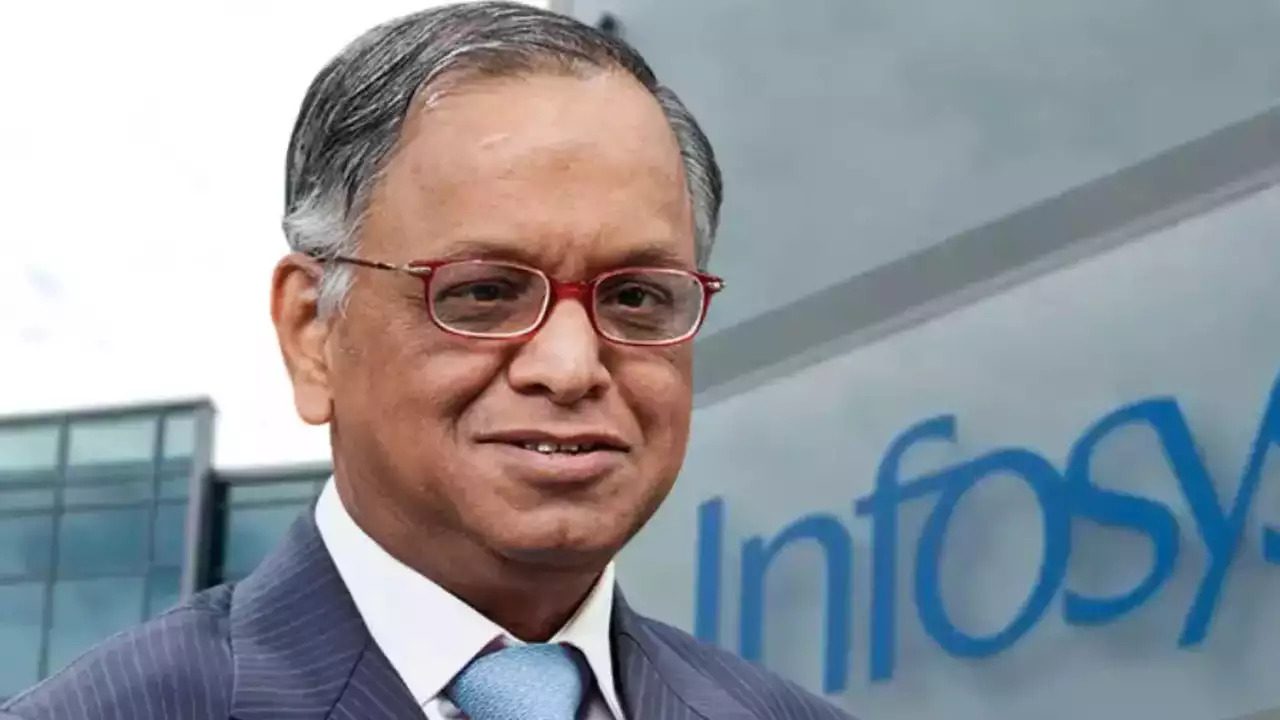
Narayana Murthy Explains How India Can Overcome Poverty with a 70-Hour Workweek
Narayana Murthy, the co-founder of Infosys and a visionary leader, has sparked widespread discussion with his bold suggestion that Indians adopt a 70-hour workweek to overcome poverty and accelerate economic growth. His remarks emphasize discipline, hard work, and a renewed sense of purpose to tackle the challenges of inequality and underdevelopment.

The Context of Murthy’s Statement
Narayana Murthy In a recent interview, Murthy highlighted that India’s burgeoning population, combined with its untapped potential, presents a unique opportunity for the nation to propel itself into global prominence. However, he argued that to realize this vision, Indians must embrace longer working hours, particularly in the short term. This call comes amid ongoing debates about productivity, work-life balance, and the economic strategies needed to address poverty.
Why a 70-Hour Workweek?
Murthy’s rationale stems from several key points:
- Boosting Productivity:
- A longer workweek can lead to increased output, particularly in sectors like manufacturing and services, where time-intensive efforts directly correlate with results.
- Countries like Japan and South Korea have historically relied on extended working hours during their developmental phases.
- Fostering Discipline and Skill Development:
- Extended hours encourage individuals to develop a stronger work ethic and refine their professional skills.
- Catching Up with Developed Economies:
- Murthy believes that to compete with advanced nations, India must adopt extraordinary measures, including increased working hours, to bridge the economic gap.
- Inculcating a Sense of Responsibility:
- A collective effort can foster a culture where every individual contributes meaningfully to national growth.
Potential Benefits
Narayana Murthy proposal offers a vision of transformation, with potential benefits that include:
- Economic Growth:
- Higher productivity levels can contribute significantly to GDP growth, improving the nation’s overall economic health.
- Poverty Reduction:
- As industries expand and generate more revenue, job opportunities increase, providing livelihoods for millions.
- Global Competitiveness:
- A workforce committed to long hours signals India’s readiness to compete on the global stage.
Criticism and Concerns
While Narayana Murthy vision is ambitious, it has also drawn criticism from various quarters:
- Work-Life Balance:
- Critics argue that extended working hours could negatively impact mental and physical health, reducing long-term productivity.
- Socioeconomic Disparities:
- Skeptics point out that not all sections of society can sustain a 70-hour workweek, potentially exacerbating inequalities.
- Sustainability:
- Prolonged workweeks may lead to burnout and reduced efficiency, particularly in creative and knowledge-based sectors.
- Impact on Families:
- Extended hours may strain personal relationships, disrupting family dynamics and social cohesion.
Balancing Vision with Reality
For Murthy’s proposal to succeed, certain measures need to be considered:
- Flexibility in Implementation:
- The 70-hour workweek could initially apply to specific sectors or voluntary participants rather than being mandated universally.
- Support Systems:
- Employers must provide resources like healthcare, skill development programs, and mental health support to mitigate potential downsides.
- Gradual Transition:
- India’s workforce requires a phased approach, balancing the need for increased productivity with the well-being of workers.
- Inclusive Policies:
- Tailored approaches for different socioeconomic groups can ensure equitable outcomes and prevent widening disparities.
Conclusion
Narayana Murthy’s call for a 70-hour workweek reflects his commitment to India’s progress and his belief in the transformative power of hard work. While the proposal offers a roadmap for accelerated development, its implementation must be balanced, inclusive, and considerate of the diverse needs of the workforce. As India navigates the complexities of economic growth, Murthy’s vision provides valuable insights into the sacrifices and efforts required to overcome poverty and build a prosperous future.
read more current affairs

