
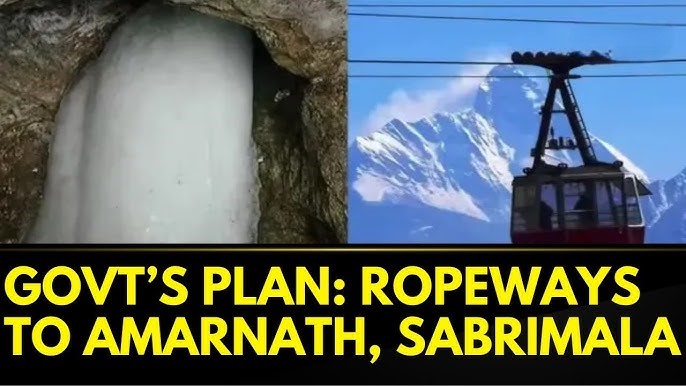
Ropeways to Amarnath, Sabarimala: Modi Government’s Ambitious Plan for India’s Major Religious Sites
Introduction
The Indian government, under the leadership of Prime Minister Narendra Modi, is embarking on an ambitious plan to enhance infrastructure and accessibility at some of the nation’s most revered religious sites. Among the key initiatives are the construction of ropeways to connect devotees to the sacred Amarnath cave shrine in Jammu and Kashmir and the Sabarimala temple in Kerala. These projects aim to improve safety, reduce travel time, and boost tourism while preserving the spiritual essence of these destinations.
The vision reflects the government’s commitment to facilitating pilgrimage experiences for millions of devotees while promoting regional development and sustainable practices.
Why Ropeways for Religious Sites?
1. Enhancing Accessibility
Religious sites like Amarnath and Sabarimala are located in challenging terrains, often requiring arduous treks through mountains and forests. Ropeways provide an efficient and safer alternative for:
- Elderly and differently-abled devotees.
- Families with young children who might find the treks challenging.
- Reducing the risk of accidents or health issues during strenuous journeys.
2. Reducing Environmental Impact
Traditional modes of transport, such as buses and jeeps, can contribute to deforestation, pollution, and overcrowding. Ropeways offer a more sustainable solution by:
- Minimizing the ecological footprint.
- Preserving the natural beauty and sanctity of these sacred sites.
3. Promoting Tourism and Economic Growth
By making these sites more accessible, the government aims to:
- Attract more visitors, including international tourists.
- Boost local economies through increased demand for hospitality, transport, and allied services.
Amarnath Ropeway Project
1. The Spiritual Significance of Amarnath
The Amarnath cave, situated at an altitude of 3,888 meters in Jammu and Kashmir, is a significant pilgrimage site for Hindus. The cave houses a naturally formed ice lingam, symbolizing Lord Shiva, and attracts lakhs of devotees during the annual Amarnath Yatra.
2. Current Challenges
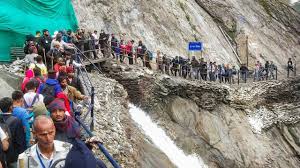
- Difficult Terrain: The trek to Amarnath involves a steep climb through rugged paths.
- Weather Conditions: Sudden changes in weather pose risks, including landslides and avalanches.
- Safety Concerns: Many pilgrims face health issues due to high altitudes and lack of adequate facilities.
3. The Ropeway Plan
The proposed ropeway aims to:
- Connect Baltal Base Camp to the holy shrine.
- Reduce the travel time from several hours to just 15-20 minutes.
- Ensure safety with state-of-the-art equipment and monitoring systems.
4. Environmental and Social Benefits
- Preservation: Reduced foot traffic will help conserve the fragile ecosystem of the region.
- Community Impact: Local communities will benefit from improved infrastructure and employment opportunities.
Sabarimala Ropeway Project
1. The Revered Sabarimala Temple
Nestled in the Periyar Tiger Reserve in Kerala, the Sabarimala temple is dedicated to Lord Ayyappa. It is one of the most visited pilgrimage sites in the world, attracting over 50 million devotees annually.
2. Current Challenges
- Dense Forests: Pilgrims have to navigate through thick forests, which can be physically taxing.
- Overcrowding: The sheer number of devotees during peak seasons leads to long queues and logistical issues.
- Environmental Strain: Increased footfall puts pressure on the forest reserve and surrounding wildlife.
3. Proposed Ropeway Features
- Connect key entry points to the temple, bypassing challenging routes.
- Ensure faster and more comfortable access for pilgrims.
- Include advanced safety measures and eco-friendly construction practices.
4. Environmental Safeguards
Given the temple’s location in a tiger reserve, the government plans to:
- Conduct detailed environmental impact assessments.
- Use technology to minimize disruptions to wildlife and the ecosystem.
Challenges and Considerations
1. Environmental Concerns
- Deforestation: Construction activities may require tree cutting and land clearing.
- Wildlife Impact: Ropeways in sensitive areas like Sabarimala could disturb local fauna.
To address these concerns, the government plans to adopt sustainable construction techniques and work closely with environmental experts.
2. Religious and Cultural Sentiments
- Some stakeholders may fear that modern infrastructure could dilute the sanctity of these ancient sites.
- Engagement with religious leaders and devotees is crucial to ensure alignment with cultural values.
3. Technical and Logistical Hurdles
- Building ropeways in remote, mountainous regions poses significant engineering challenges.
- Maintenance and operational costs need to be managed effectively to ensure long-term viability.
Other Ropeway Projects in India
The Modi government’s focus on ropeways extends beyond Amarnath and Sabarimala. Other notable projects include:
- Vaishno Devi: An operational ropeway provides easier access to Bhawan, enhancing the pilgrimage experience.
- Kedarnath: Plans are underway to connect the base camp to the holy temple, ensuring safe access in challenging weather.
- Hemkund Sahib: A ropeway project is in progress to assist pilgrims visiting this Sikh shrine in Uttarakhand.
Economic and Social Impact
1. Job Creation
- Ropeway projects generate employment opportunities during construction and operation.
- Local communities can benefit from increased demand for tourism-related services.
2. Boosting Tourism Revenue
- Enhanced accessibility is likely to attract more domestic and international visitors.
- This could lead to a surge in revenue for states and local businesses.
3. Empowering Local Communities
- Improved infrastructure can uplift remote regions, providing better connectivity and access to markets.
- Community-based tourism initiatives can ensure equitable distribution of economic benefits.
Sustainability Measures
The government is committed to ensuring that ropeway projects adhere to sustainable practices, including:
- Energy Efficiency: Using renewable energy sources to power ropeway operations.
- Waste Management: Implementing strict protocols to manage waste generated during construction and operation.
- Community Engagement: Involving local stakeholders in planning and decision-making processes.
Public Reactions and Expert Opinions
1. Support from Devotees
Many pilgrims have expressed enthusiasm for the proposed ropeways, highlighting the potential for:
- Easier access to sacred sites.
- Reduced physical strain and health risks.
2. Environmental Concerns
Environmentalists have urged the government to proceed cautiously, emphasizing the need to:
- Protect biodiversity.
- Conduct thorough impact assessments before construction begins.
3. Expert Insights
Infrastructure experts view ropeways as a viable solution for:
- Addressing logistical challenges at remote religious sites.
- Balancing development with environmental conservation.
Conclusion
The Modi government’s plan to develop ropeways at major religious sites like Amarnath and Sabarimala represents a transformative approach to improving pilgrimage experiences in India. By prioritizing accessibility, sustainability, and regional development, these projects aim to honor the spiritual significance of these destinations while embracing modern infrastructure solutions.
However, careful planning and execution are essential to address environmental, cultural, and technical challenges. With the right balance, these initiatives have the potential to redefine religious tourism in India, fostering inclusivity and economic growth while preserving the sanctity of the nation’s cherished heritage sites.
Read more Latest News

