
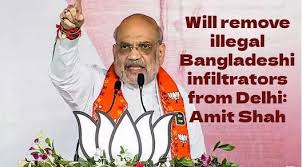
Amit Shah Promises to Remove Bangladesh Infiltrators from Delhi, Clean Yamuna in 3 Years
Yamuna Clean Union Home Minister Amit Shah, in a high-energy political rally in Delhi, made sweeping promises to tackle some of the capital’s most pressing challenges. Speaking to a large crowd of supporters, Shah vowed to address the issue of Bangladeshi infiltrators residing in Delhi and ensure the cleaning of the Yamuna River within the next three years. These commitments come at a time when political narratives are heating up ahead of elections, with each party attempting to secure public trust through bold promises and policy declarations.
Tackling Infiltration: Shah’s Firm Stand on National Security
In his speech, Amit Shah emphasized the need to address the long-standing issue of illegal immigration, particularly focusing on Bangladeshi infiltrators residing in the capital. According to Shah, their presence poses significant socio-economic and security challenges.
“We will ensure that every single Bangladeshi infiltrator is removed from Delhi,” said Shah, reiterating the government’s commitment to national security and the implementation of strict immigration laws.
Proposed Measures
Shah outlined a multi-pronged approach to identify and deport illegal immigrants:
- Stringent Implementation of NRC (National Register of Citizens): Shah proposed replicating Assam’s NRC model in Delhi to identify undocumented immigrants.
- Technology Integration: Use of advanced surveillance systems, biometric identification, and data analytics to track illegal residents.
- Coordination with States: Collaboration with neighboring states and central agencies to prevent cross-border infiltration and ensure seamless deportation processes.
Impact on Delhi’s Economy and Society
The Home Minister claimed that the expulsion of illegal immigrants would alleviate the burden on Delhi’s resources, particularly housing, healthcare, and public services. Critics, however, have raised concerns about the possible disruption and challenges faced by genuine residents during such operations.
Cleaning the Yamuna: A Major Environmental and Public Health Initiative
In addition to addressing illegal immigration, Shah set his sights on another major issue plaguing Delhi — the pollution of the Yamuna River. Recognizing the environmental and health risks posed by the deteriorating condition of the river, he promised a comprehensive clean-up initiative that would restore the Yamuna to its pristine state within three years.
Current State of the Yamuna
The Yamuna, which provides water to millions in Delhi, has been heavily polluted due to industrial discharge, untreated sewage, and waste dumping. Despite several clean-up attempts over the years, the river remains in a dire state.
Proposed Plan for Cleaning Yamuna
Shah detailed a multi-phase plan to tackle the pollution crisis:
- Infrastructure Development: Building new sewage treatment plants (STPs) and upgrading existing ones to ensure proper treatment of wastewater before it reaches the river.
- Industrial Regulation: Strict enforcement of laws against industrial effluents being discharged into the Yamuna.
- Public Awareness Campaigns: Involving citizens and local communities in waste management and river-cleaning initiatives.
- Monitoring Mechanism: Establishing a central authority to oversee the progress and implementation of clean-up measures.
Government Investments
Shah announced a significant financial outlay for the project, with the government committing thousands of crores to ensure the success of the Yamuna clean-up operation.
A Political Promise or Practical Vision?
While Shah’s promises have been well-received by his party’s supporters, they have also invited skepticism from opposition leaders and environmentalists. Critics argue that similar pledges have been made in the past with limited results.
Challenges in Tackling Infiltration
- Ethical Concerns: The NRC process has faced criticism for excluding legitimate citizens during its implementation in Assam.
- Diplomatic Hurdles: Coordinating with Bangladesh for the deportation of undocumented immigrants may require delicate diplomatic negotiations.
- Social Backlash: Potential fear and unrest among vulnerable communities in Delhi.
Challenges in Cleaning the Yamuna
- Long-Standing Pollution Issues: Decades of neglect and ineffective policies have exacerbated the pollution crisis, making it a monumental task to reverse.
- Coordination Among Agencies: Cleaning the Yamuna involves multiple stakeholders, including municipal bodies, state governments, and central agencies.
- Sustainable Practices: Ensuring long-term sustainability of the clean-up efforts requires strict adherence to pollution norms and consistent funding.
Reactions from Political Rivals
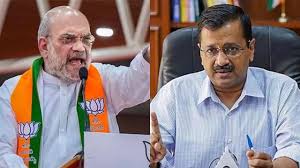
Opposition leaders, including those from the Aam Aadmi Party (AAP) and the Congress, were quick to respond to Shah’s announcements.
- AAP’s Critique: Delhi Chief Minister Arvind Kejriwal questioned the feasibility of removing infiltrators and cleaning the Yamuna within three years. He pointed out that the central government has failed to deliver on similar promises in the past.
- Congress’s Response: The Congress termed Shah’s speech as an election gimmick, accusing the BJP of using divisive tactics to divert attention from pressing issues like unemployment and inflation.
Public Sentiment
Among Delhi’s residents, Shah’s promises have sparked a mix of hope and doubt.
- Supporters’ Viewpoint: Many see Shah’s announcement as a decisive step toward addressing two major concerns — security and environmental sustainability.
- Skeptics’ Concerns: Some remain unconvinced, citing previous government failures in achieving similar goals.
Voices from the Ground
- Local Traders: “If Shah’s plans work, it will significantly reduce illegal competition and help us grow our businesses.”
- Environmentalists: “Cleaning the Yamuna is a noble goal, but it requires scientific precision, not just political promises.”
Conclusion
Amit Shah’s promises to tackle Bangladeshi infiltration and clean the Yamuna River reflect the BJP’s strategic focus on addressing key voter concerns in Delhi. While these initiatives are ambitious, their success hinges on meticulous planning, effective implementation, and sustained public support.
As the political battle for Delhi intensifies, it remains to be seen whether these promises will translate into actionable outcomes or become yet another set of unfulfilled pledges. For now, the residents of Delhi wait with cautious optimism, hoping for a brighter and cleaner future for their city.
Read more Latest News

