
Plan To Visit Maha Kumbh On Mauni Amavasya? Here’s Everything You Need To Know
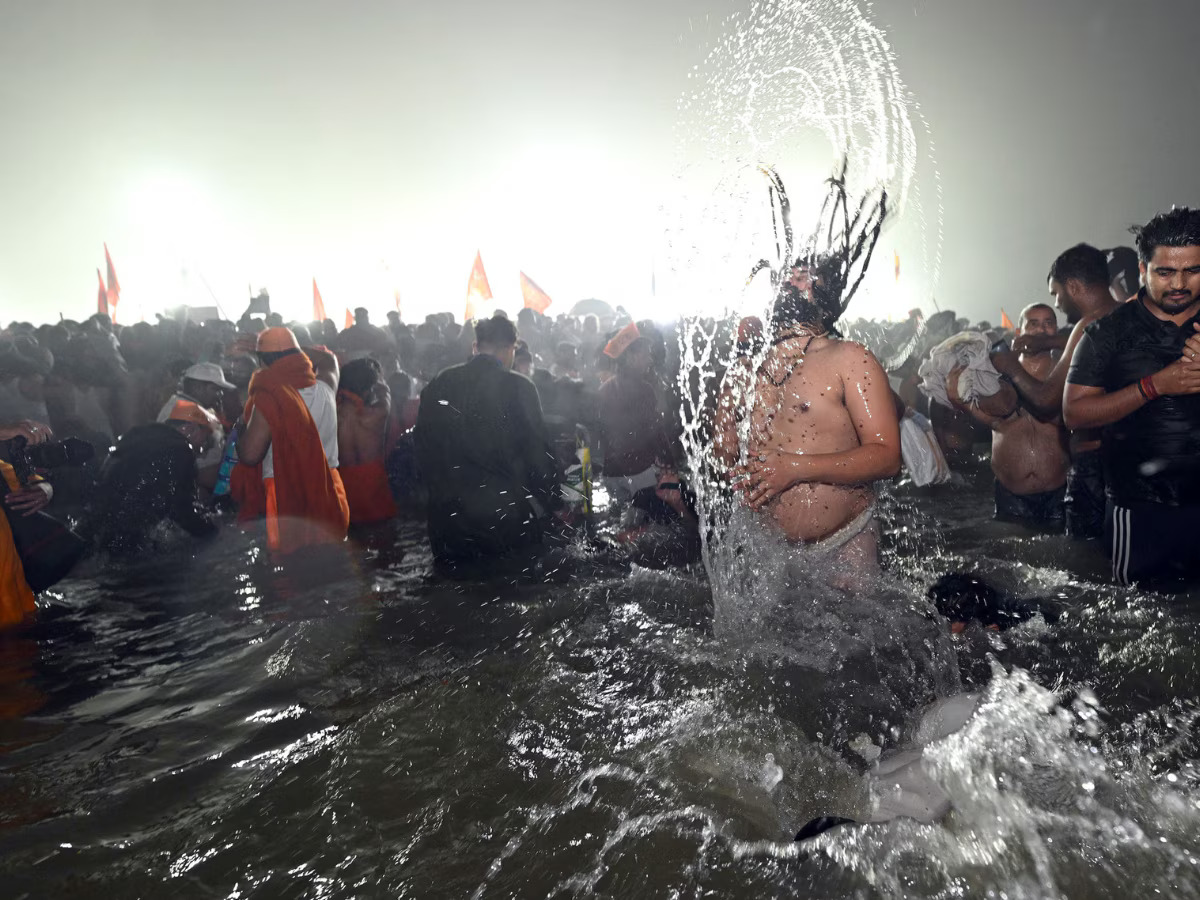
The Maha Kumbh Mela, one of the largest spiritual gatherings in the world, is set to witness a massive influx of devotees on Mauni Amavasya, considered one of the holiest days for bathing in the sacred rivers. Scheduled during this period of the Kumbh, the Mauni Amavasya Snan (ritual bath) attracts millions of pilgrims, saints, and tourists, making it a focal point of the event.
However, this year, authorities have introduced strict measures to ensure a seamless experience for the devotees, including a “No Vehicle, No VIP” zone. Here’s an in-depth guide to everything you need to know before planning your trip to the Maha Kumbh on this auspicious day.
Why Mauni Amavasya Is Significant?
Mauni Amavasya, the new moon day in the month of Magha (January-February), holds deep spiritual and cultural significance in Hinduism.
- Spiritual Importance:
The word “Mauni” comes from “Mauna,” meaning silence. Observing silence and taking a holy dip in the river on this day is believed to cleanse one’s soul and wash away sins. - Astrological Significance:
On Mauni Amavasya, the sun and moon align in Capricorn, creating a celestial event considered ideal for spiritual growth. - Cultural Practices:
Devotees fast, meditate, and take vows of silence, while millions converge on the banks of rivers like the Ganga, Yamuna, and Saraswati to perform rituals.
Key Features of Maha Kumbh on Mauni Amavasya
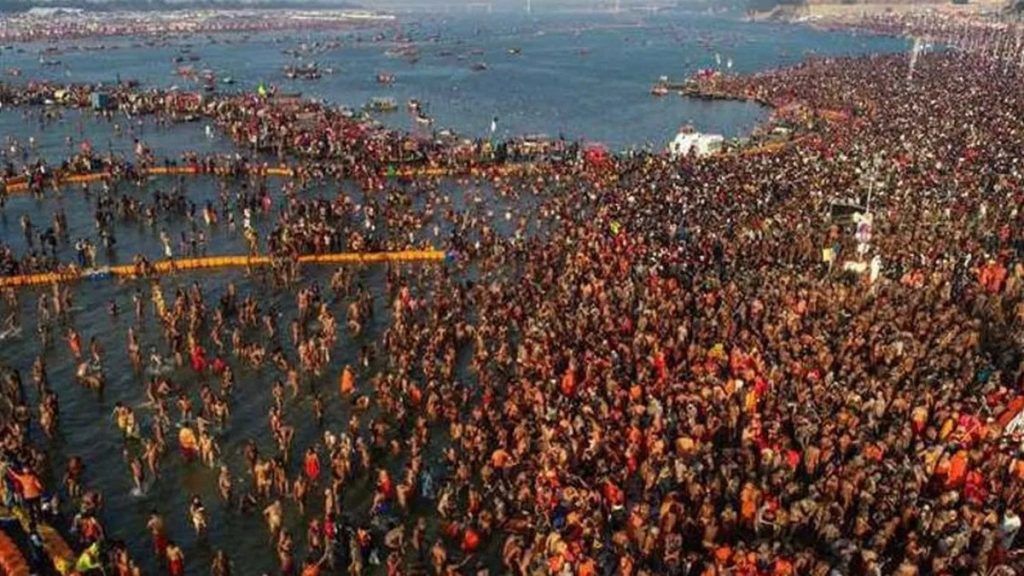
The Maha Kumbh 2025, held in Prayagraj, is expected to host over 30 million pilgrims on Mauni Amavasya alone. Authorities have prepared extensively to manage the crowds while maintaining safety and sanctity.
1. No Vehicle Zone
- Restricted Areas:
All vehicles, including private and public transport, will be prohibited within a 10 km radius of the main bathing ghats. - Drop-Off Points:
Designated parking areas will be set up outside the restricted zone, and devotees will need to walk or use shuttle services to reach the ghats. - Objective:
This move is aimed at reducing congestion and ensuring smooth movement for pedestrians.
2. No VIP Zone
- Equal Access:
VIPs and officials will not receive special privileges on this day, reflecting the egalitarian spirit of the event. - Streamlined Management:
The absence of VIP vehicles and cordoned-off areas will allow the administration to focus on the general public’s needs. - Public Sentiment:
This decision has been widely appreciated for emphasizing inclusivity and equality.
3. Safety and Crowd Management
- Additional Forces:
Over 15,000 police personnel and paramilitary forces will be deployed to manage security. - Technology Use:
AI-powered crowd monitoring systems and drone surveillance will ensure real-time tracking of crowd density. - Medical Aid:
Temporary medical camps with over 500 beds and 200 ambulances will be operational near the ghats.
How to Plan Your Visit?
1. Transportation
- Rail and Air Connectivity:
Prayagraj is well-connected by train and air. Special trains and flights are being arranged to accommodate the surge in travelers. - Local Transport:
From the railway station or airport, shuttle services will transport pilgrims to the parking zones near the Kumbh Mela area.
2. Accommodation
- Tents and Ashrams:
Pilgrims can stay in temporary tent cities, dharamshalas, or ashrams. Booking in advance is highly recommended. - Hotels:
Hotels in Prayagraj and nearby cities like Varanasi and Lucknow are likely to be fully booked, so plan early.
3. Essentials to Carry
- Clothing:
Carry warm clothes as temperatures during the early mornings can be chilly. - ID Proof:
Keep a government-issued ID for verification at checkpoints. - Other Essentials:
Water bottles, snacks, first-aid kits, and power banks are must-haves.
Rituals and Activities on Mauni Amavasya
1. The Holy Dip
- Timing:
The bathing begins at sunrise and continues throughout the day. Astrologers recommend early morning as the most auspicious time. - Ghats:
Triveni Sangam, the confluence of the Ganga, Yamuna, and mythical Saraswati, is the prime location for the ritual bath.
2. Silent Meditation
- Devotees observe silence, focusing on inner peace and spiritual reflection. Many take vows of silence for the entire day.
3. Religious Ceremonies
- Pind Daan:
Rituals for ancestors are performed, believed to liberate their souls. - Charity:
Distributing food, clothes, and alms to the needy is considered highly meritorious.
Government and Administrative Preparations
1. Infrastructure
- Over 5,000 temporary toilets, 20,000 dustbins, and dedicated waste management teams have been deployed to ensure cleanliness.
- Temporary Bridges:
Seven pontoon bridges have been constructed to facilitate movement across the river.
2. Technology Integration
- Mobile App:
A dedicated Maha Kumbh app provides real-time updates on crowd density, rituals, and emergency services. - Digital Payments:
Vendors and shops within the mela area are encouraged to accept digital payments for convenience.
3. Public Awareness
- Awareness campaigns about safety protocols and eco-friendly practices have been launched to educate pilgrims.
Challenges and Risks
1. Overcrowding
With millions expected, managing crowd flow without incidents is a significant challenge.
2. Environmental Concerns
- River Pollution:
Efforts are being made to ensure proper disposal of offerings and waste to protect the river’s sanctity. - Deforestation:
Temporary accommodations and infrastructure can lead to deforestation if not managed responsibly.
3. Health Risks
- With large gatherings, there is a heightened risk of communicable diseases. Vaccination drives and health check-ups are being conducted to mitigate this.
Devotee Voices
Pilgrims from across India and abroad are gearing up for the event, with many expressing excitement about the “No Vehicle, No VIP” initiative.
- Seema Gupta from Delhi:
“This is my third Kumbh, and I’m thrilled that everyone will be treated equally this time.” - Ramesh Patil from Maharashtra:
“The vehicle ban will make the experience more peaceful and spiritual.”
Conclusion
The Maha Kumbh Mela on Mauni Amavasya is not just a religious event but a celebration of faith, unity, and spiritual awakening. The measures introduced this year, particularly the “No Vehicle, No VIP” zone, reflect a commitment to inclusivity and sustainability.
By embracing these changes and planning carefully, pilgrims can look forward to a serene and enriching experience. As the confluence of rivers welcomes millions, the spirit of the Maha Kumbh promises to unite humanity in its quest for the divine.
Read more latest News

