
Need 50% Cut In Metro Fares For Students: Arvind Kejriwal Writes To PM Modi Ahead Of Delhi Polls
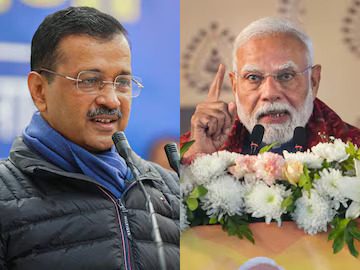
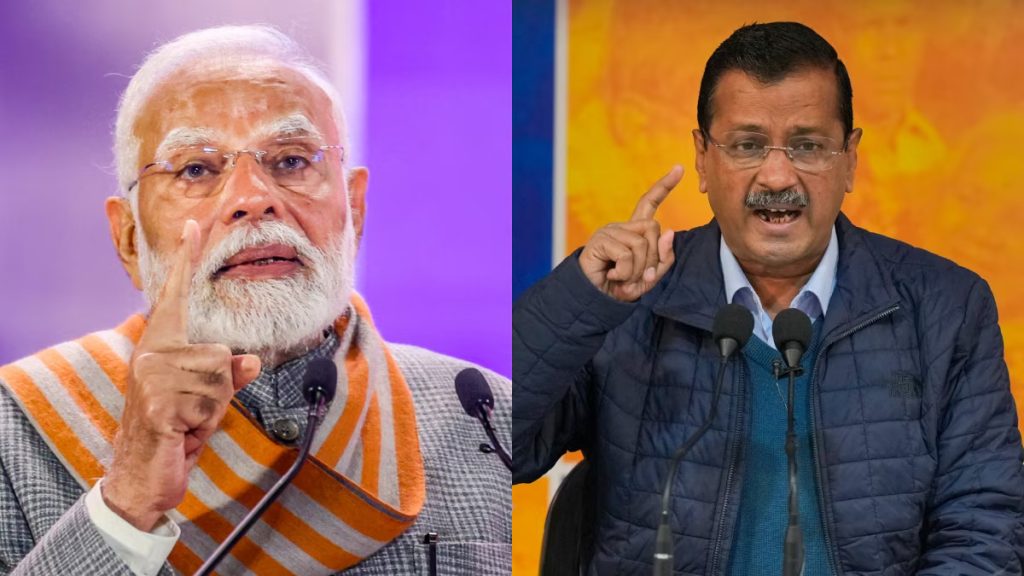
As Delhi gears up for the high-stakes assembly elections, Chief Minister Arvind Kejriwal has once again shifted the spotlight to public welfare by advocating for a substantial reduction in metro fares for students. In a letter to Prime Minister Narendra Modi, Kejriwal requested a 50% cut in metro fares exclusively for students, citing financial constraints faced by families and the need to promote affordable public transportation.
This bold move comes amid a heated political environment, with all major parties unveiling their manifestos and strategies to woo voters. Kejriwal’s call to action reflects his government’s continued focus on education and public service, further intensifying the narrative battle between the Aam Aadmi Party (AAP) and its political rivals.
Metro Fares Key Points of Kejriwal’s Proposal
In his letter, the Delhi Chief Minister elaborated on the rationale behind his proposal:
- Making Education Accessible: Kejriwal emphasized that many students in Delhi rely on public transport to attend schools, colleges, and coaching centers. High metro fares, he argued, create a financial burden on families, discouraging some students from pursuing education.
- Promoting Public Transport: The move could encourage more students to use the Delhi Metro, reducing congestion on roads and lowering pollution levels.
- Financial Relief for Families: Kejriwal stated that a fare cut would provide much-needed relief to middle-class and low-income families, especially in a post-pandemic economy.
Metro Fares Details of the Proposal
Kejriwal proposed the following structure for metro fare concessions:
- Eligibility: All school and college students with a valid student ID would be eligible for a 50% discount on Delhi Metro fares.
- Implementation: The Delhi government and the Delhi Metro Rail Corporation (DMRC), which operates the metro system, could collaborate to roll out a special card for students to avail of the discount.
- Funding: While the DMRC is jointly owned by the Delhi and central governments, Kejriwal has suggested sharing the financial burden between the two entities.
Metro Fares Political Implications of Kejriwal’s Demand
Kejriwal’s proposal is being seen as a strategic move to bolster his party’s image as a champion of education and public welfare ahead of the Delhi elections. Here are the potential political ramifications:
1. Cornering the BJP
By appealing directly to Prime Minister Modi, Kejriwal has put the BJP in a tight spot. A rejection of the proposal could allow AAP to claim that the central government is indifferent to students’ needs, while an acceptance might enable AAP to take credit for initiating the idea.
2. Reinforcing AAP’s Brand
Education and public services have been key pillars of AAP’s governance model. This demand reinforces AAP’s commitment to these issues and appeals to its core voter base, particularly young voters and middle-class families.
3. Challenging the Opposition’s Narrative
The BJP has focused its campaign on criticizing AAP’s governance, particularly in areas like pollution control and infrastructure. By highlighting an issue that directly impacts students and families, Kejriwal shifts the narrative to AAP’s strengths.
Metro Fares Responses from Political Stakeholders
AAP’s Perspective
Speaking on the issue, an AAP spokesperson stated:
“This is not just about politics; it’s about providing opportunities for students to achieve their dreams. If we can make education affordable, why can’t we make transportation affordable too?”
BJP’s Reaction
The BJP dismissed the proposal as a political gimmick. A Delhi BJP leader said:
“Kejriwal’s government has consistently underperformed in managing Delhi’s transport system. Instead of asking the central government for help, they should focus on improving DTC buses and other facilities under their jurisdiction.”
Congress’s Stand
The Congress party criticized both AAP and the BJP, claiming that such proposals are unrealistic without addressing the underlying financial viability of the metro system.
Metro Fares Public and Expert Opinions
Public Reaction
The proposal has sparked widespread debate among Delhiites:
- Supporters: Many students and parents have welcomed the idea, calling it a step toward making education more accessible.
- Critics: Some residents have raised concerns about the potential impact on DMRC’s financial health and whether the government has a concrete plan to fund the subsidy.
Expert Analysis
Urban planning experts and economists have weighed in on the feasibility of the proposal:
- Advantages: Experts agree that promoting public transport is essential for reducing pollution and traffic congestion in Delhi. A concession for students could lead to increased metro ridership and long-term behavioral shifts toward sustainable commuting.
- Challenges: The DMRC operates on a cost-recovery model, and a significant reduction in fares could strain its finances unless adequately compensated by the government.
Metro Fares The Larger Context: Delhi’s Metro System
The Delhi Metro, often regarded as the lifeline of the city, caters to millions of commuters daily. However, the system has faced challenges, including declining ridership and increasing operational costs.
Current Fare Structure
The current fare structure, revised in 2017, is seen as relatively high by some sections of society. Kejriwal has been a vocal critic of the fare hike, previously clashing with the central government over the issue.
Financial Health of DMRC
The DMRC relies on fare revenue for operational sustainability. Any reduction in fares would require a robust mechanism for compensating revenue losses.
Metro Fares Comparative Analysis: Student Fare Concessions Globally
Several cities worldwide offer fare concessions for students as part of their public transportation policies. For instance:
- London: Students enjoy discounted travel cards for buses and the London Underground.
- New York City: School students are eligible for free MetroCards for subway and bus rides.
- Tokyo: Discounts are available for students on commuter passes.
These examples highlight the potential for Delhi to adopt similar measures while balancing financial sustainability.
Challenges in Implementation
While the proposal has garnered significant attention, several challenges need to be addressed:
- Financial Viability: Ensuring adequate compensation to DMRC for the revenue loss.
- Administrative Logistics: Developing a seamless system for issuing and verifying student discount cards.
- Coordination with the Centre: As a joint stakeholder in DMRC, the central government’s support is crucial for the proposal’s success.
Way Forward
To move from proposal to implementation, the following steps are necessary:
- Stakeholder Meetings: Discussions between the Delhi government, DMRC, and the central government to finalize the financial and operational framework.
- Pilot Project: Launching a pilot project to assess the impact of fare concessions on ridership and revenue.
- Public Engagement: Raising awareness among students and parents about the scheme and addressing concerns about its feasibility.
Conclusion
Arvind Kejriwal’s call for a 50% reduction in metro fares for students is a bold initiative that underscores his government’s commitment to education and public welfare. While the proposal has significant political and social appeal, its success hinges on careful planning, financial backing, and collaboration between the Delhi and central governments.
As the city heads into elections, the issue of affordable public transport could become a focal point, shaping voter perceptions and influencing the electoral outcome. Whether this proposal materializes or remains a political talking point will depend on the willingness of all stakeholders to prioritize the needs of Delhi’s students over partisan politics.
Read More latest news

