
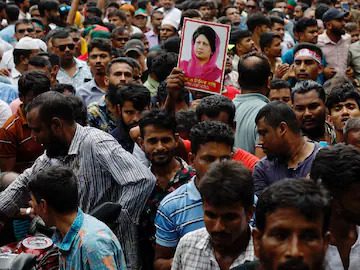
Bangladesh Top Court Acquits Hasina Rival Khaleda Zia in Graft Case, Paves Way for Fighting Polls
Hasina In a dramatic turn of events, the Supreme Court of Bangladesh has acquitted former Prime Minister Khaleda Zia in a high-profile graft case that had kept her political career in limbo. The verdict, delivered on January 13, 2025, paves the way for Zia, the arch-rival of current Prime Minister Sheikh Hasina, to contest in the upcoming general elections.
This landmark decision has set the stage for a high-stakes electoral battle, potentially reshaping Bangladesh’s political landscape. Here’s an in-depth look at the case, its implications, and what it means for the country’s democracy.
Background: The Graft Case Against Khaleda Zia
Khaleda Zia, the leader of the opposition Bangladesh Nationalist Party (BNP), was convicted in 2018 in two corruption cases involving embezzlement of funds from the Zia Orphanage Trust and the Zia Charitable Trust. She was sentenced to a total of 17 years in prison.
Key Allegations
- Misappropriation of approximately 21 million Bangladeshi taka from the orphanage trust fund.
- Abuse of power during her tenure as Prime Minister (2001–2006) to divert charitable funds for personal and political gain.
The convictions were widely criticized by Zia’s supporters, who alleged that the cases were politically motivated and part of a broader campaign to weaken the BNP.
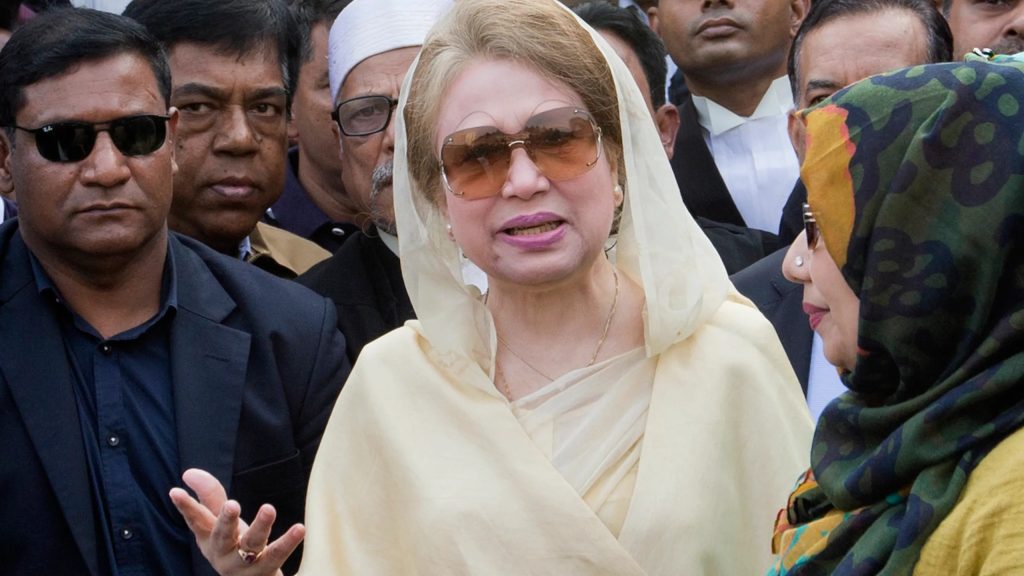
The Supreme Court Verdict
Acquittal Details
- The Supreme Court ruled that the evidence presented in the cases was insufficient to prove Zia’s direct involvement in corruption.
- Procedural lapses during the trial were highlighted, including allegations of judicial bias and lack of due process.
Significance of the Verdict
- Restoration of Political Rights: The acquittal overturns Zia’s disqualification from holding public office, enabling her to contest elections.
- Judiciary’s Independence: The ruling has been hailed by legal experts as a sign of the judiciary asserting its independence amidst allegations of government influence.
Political Implications
The verdict is expected to significantly alter the political dynamics in Bangladesh, where Zia and Hasina have dominated the political scene for decades.
BNP’s Revival
- Zia’s return is a morale booster for the BNP, which has struggled to mount an effective opposition in her absence.
- Her leadership is expected to galvanize party supporters and strengthen alliances with smaller opposition groups.
Challenge for Awami League
- Sheikh Hasina’s Awami League, in power since 2009, now faces a formidable challenge as Zia’s acquittal bolsters opposition unity.
- The ruling party may need to recalibrate its strategy to counter Zia’s resurgence.
Upcoming General Elections
With general elections scheduled for late 2025, the verdict sets the stage for a high-stakes political showdown. Analysts predict a fiercely contested electoral battle between the Awami League and the BNP.
Public and International Reactions
Domestic Response
- BNP Supporters: Jubilant celebrations erupted across BNP strongholds, with party leaders calling the verdict a victory for justice and democracy.
- Awami League’s Reaction: The ruling party expressed disappointment but stated it would respect the court’s decision.
International Community
- Global human rights organizations welcomed the verdict, viewing it as a step towards fairer political competition in Bangladesh.
- Western nations, including the U.S. and EU, urged all parties to ensure free and fair elections, emphasizing the importance of a level playing field.
A History of Rivalry: Zia vs. Hasina
The rivalry between Khaleda Zia and Sheikh Hasina has shaped Bangladeshi politics for over three decades:
- Zia’s Tenure: Khaleda Zia served as Prime Minister from 1991 to 1996 and 2001 to 2006, focusing on economic liberalization and privatization.
- Hasina’s Leadership: Sheikh Hasina has been credited with economic growth and infrastructural development but criticized for authoritarian tendencies.
Their bitter feud has often led to political instability, including street protests, strikes, and violent clashes between supporters.
Challenges Ahead for Khaleda Zia
While Zia’s acquittal is a significant victory, she faces several hurdles:
- Health Issues: Zia, now in her late 70s, has battled chronic health problems, including arthritis and diabetes.
- Rebuilding the BNP: The party remains organizationally weak and financially strained after years of political repression.
- Erosion of Public Trust: Both Zia and Hasina have faced criticism for prioritizing personal rivalries over governance.
Broader Implications for Bangladesh
Strengthening Democracy
The verdict underscores the importance of an independent judiciary in upholding democratic values. It also signals a shift towards greater political inclusivity.
Reducing Polarization
If Zia and the BNP participate constructively in the political process, it could reduce the intense polarization that has characterized Bangladeshi politics.
Economic Stability
Political stability is crucial for Bangladesh’s economic growth, which has been a hallmark of Hasina’s tenure. A credible election involving both major parties could reassure investors and maintain economic momentum.
Conclusion
Khaleda Zia’s acquittal marks a pivotal moment in Bangladesh’s political history, rekindling hopes for a more competitive electoral process. As the country gears up for elections, the focus will shift to whether Zia and Hasina can rise above their longstanding rivalry to prioritize national interests.
The coming months will test the resilience of Bangladesh’s democratic institutions and the maturity of its political leaders. Will this verdict herald a new era of political inclusivity, or will it deepen existing divides? Only time will tell.
Read More latest News

