
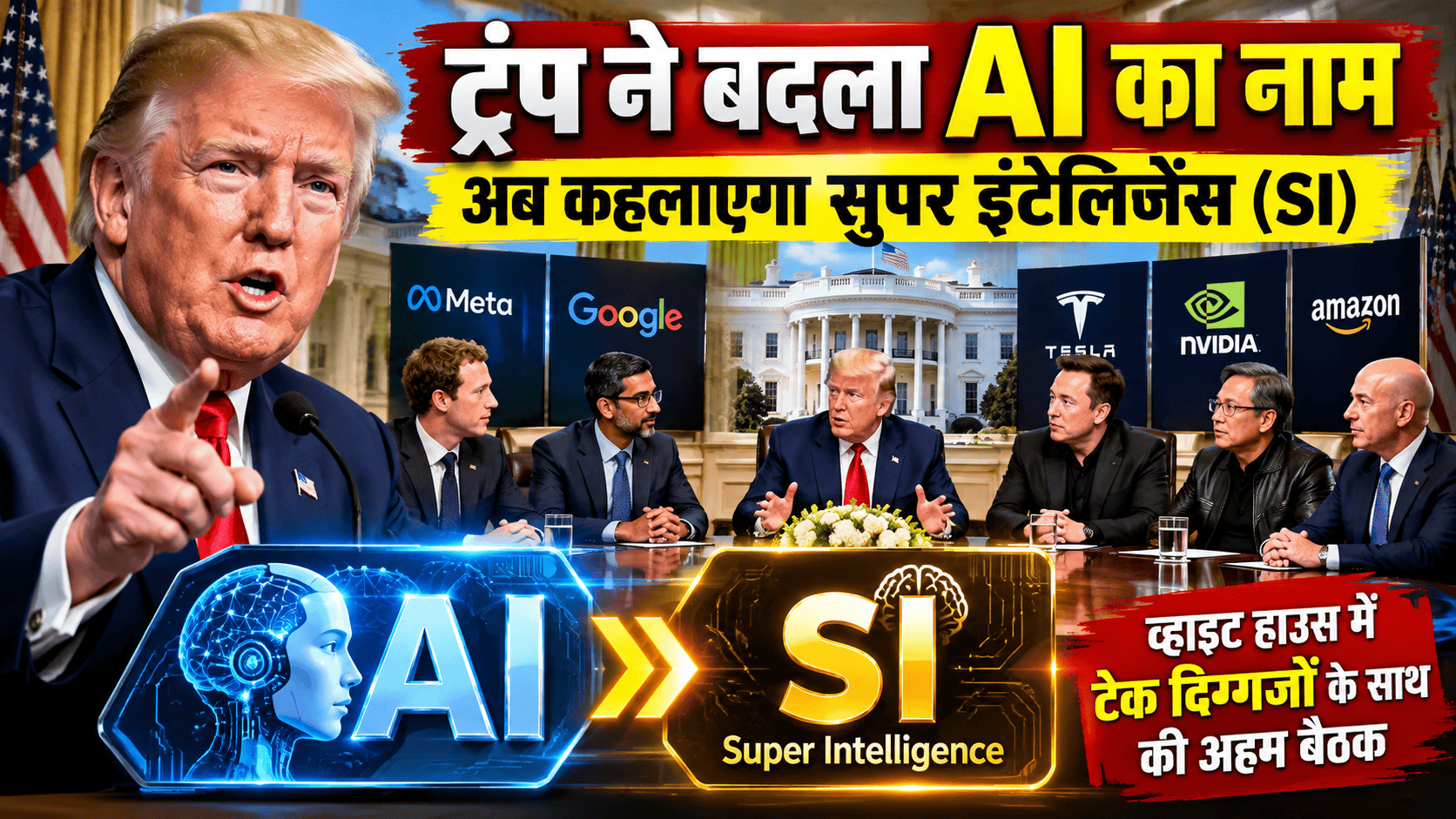
Trump Changed the Name of AI: Artificial Intelligence Becomes Super Intelligence
Trump Changed the Name of AI After Meeting With Top Technology Leaders
The technology world witnessed a notable announcement from the White House on September 29, 2026, when U.S. President Donald Trump said that the term Artificial Intelligence would officially be replaced by Super Intelligence, abbreviated as SI, in U.S. government communications. The announcement came after a high-profile meeting with several leading technology and artificial intelligence executives.
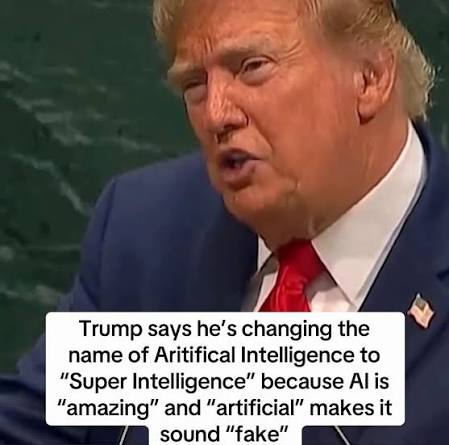
The phrase Trump changed the name of AI quickly became a major topic of discussion because artificial intelligence has been the standard term for decades. Trump explained that he believed the word “artificial” did not properly describe the capabilities of modern AI technology. During remarks after the meeting, he said the technology would instead be referred to as “Super Intelligence.”
What Does the New Name SI Mean?
According to reports, Trump changed the name of AI from Artificial Intelligence to Super Intelligence. The abbreviation being used for the new terminology is SI, standing for Super Intelligence.
The change is primarily a terminology and government-communications decision. It does not mean that the underlying technology has suddenly become a different type of technology. Artificial intelligence remains the technical field involving computer systems capable of performing tasks that traditionally require human intelligence, such as learning, reasoning, language processing and pattern recognition.
The term “superintelligence,” however, has also been used in academic and technology discussions to describe hypothetical systems whose intellectual capabilities could substantially exceed those of humans. The Washington Post noted that the academic meaning of “superintelligence” predates the current political rebranding.
Major Tech Leaders Attended the White House Meeting
The announcement followed a White House gathering involving some of the world’s most prominent technology and AI leaders. Those reported to have attended included Meta CEO Mark Zuckerberg, Google CEO Sundar Pichai, Elon Musk, Nvidia CEO Jensen Huang, OpenAI President Greg Brockman, Anthropic CEO Dario Amodei, Amazon founder Jeff Bezos and Microsoft CEO Satya Nadella.
The meeting focused on the development, safety and future direction of advanced AI technology. Trump described the discussions as productive and emphasized the importance of maintaining U.S. leadership in the rapidly developing technology sector.
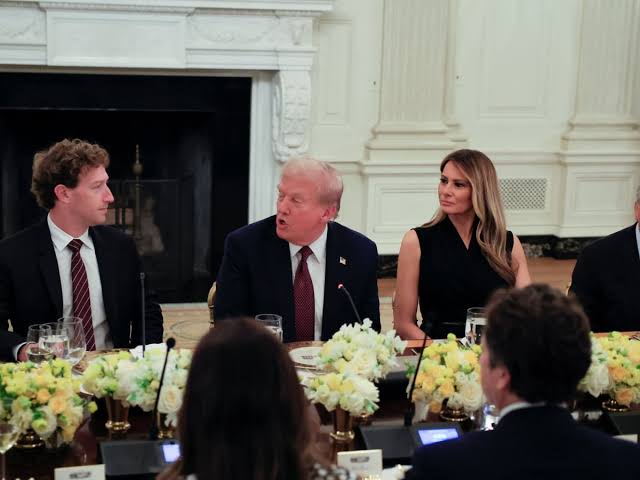
For the technology industry, Trump changed the name of AI at a moment when governments and companies are debating how advanced AI systems should be developed and monitored.
Why Did Trump Want to Change the Term?
The central reason given for the terminology change was the word “artificial.” Trump has argued that the term can make the technology sound less genuine or less powerful than it actually is.
Earlier in September, Trump had already announced his intention to use “Super Intelligence” in U.S. government documents. He said the new terminology would better represent what he views as the capabilities and importance of the technology.
Therefore, Trump changed the name of AI as part of a broader effort to describe the technology in more powerful terms. The announcement does not itself change how AI systems work, but it could influence the language used in official U.S. communications.
Government Communication and the New Terminology
The rebranding is particularly significant because the Trump administration has begun incorporating “Super Intelligence” into official communication. The Associated Press reported that U.S. diplomats in one State Department bureau had already been instructed to use “super intelligence” instead of “artificial intelligence” in communications.
Reports on September 29 indicated that Trump also signed an executive order directing federal agencies to use “Super Intelligence” and “SI” in official communications where applicable. Existing regulations, contracts and historical references may not necessarily be changed simply because the terminology has been updated.
This means that Trump changed the name of AI primarily in the context of official terminology, rather than eliminating the established scientific and technological field known as artificial intelligence.
AI Safety Was Also a Major Topic
The White House meeting was not only about terminology. AI safety and corporate responsibility were also central issues.
Reuters reported that leading AI companies agreed to a voluntary safety arrangement involving internal controls, outside auditing and oversight mechanisms. The companies discussed ways to make sure advanced AI systems operate as intended and do not gain unauthorized access to systems.
Trump has also emphasized that the United States should continue developing AI rapidly rather than imposing rules that could slow innovation. The administration has framed technological leadership as an important part of U.S. economic and strategic competition.
Thus, Trump changed the name of AI during a meeting that was also addressing some of the industry’s biggest questions about safety, regulation and innovation.
What Does This Mean for the Technology Industry?
For technology companies, the terminology shift could become an important part of government communication in the United States. However, companies, researchers and universities around the world are still expected to continue using “artificial intelligence” as the established technical term.
The change may therefore create two parallel expressions: AI, which remains the widely recognized technological term, and SI, which the Trump administration is using for “Super Intelligence.”
The distinction could become particularly important in government policy, public communication and future legislation.
Reactions From the Technology Community
The presence of leaders such as Zuckerberg, Pichai, Musk, Huang and other technology executives at the White House demonstrates the importance of the AI industry to the U.S. government.
The meeting also highlighted different perspectives within the technology sector. While some executives have supported stronger safeguards, the Trump administration has emphasized voluntary industry oversight and continued technological growth. Reuters and other reports have described the discussions as part of a wider debate over how much government oversight should apply to advanced AI systems.
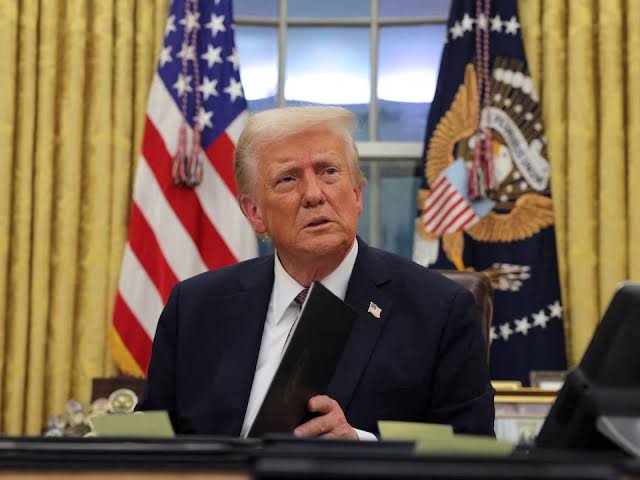
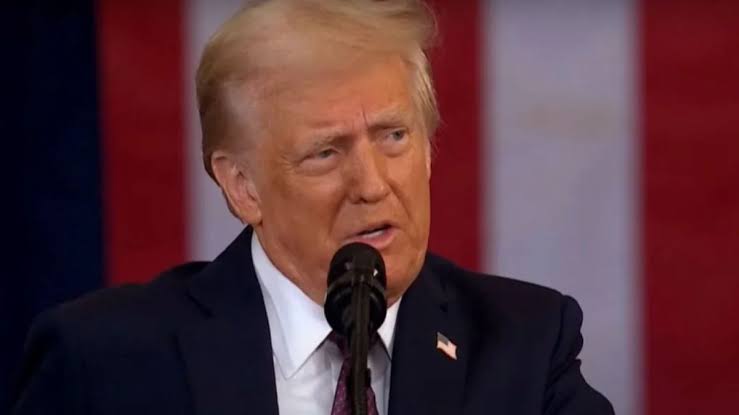
As a result, Trump changed the name of AI at a time when the terminology surrounding advanced technology is itself becoming part of a much larger debate.
Will Everyone Start Calling AI “SI”?
It remains uncertain how widely the new term will be adopted outside U.S. government communications. Artificial intelligence is deeply established in academic research, business, software development, education and everyday language.
For the moment, Trump changed the name of AI in official U.S. terminology, but the global technology industry continues to recognize “Artificial Intelligence” as the standard name for the field.
The long-term impact of the terminology change will depend on whether government agencies, companies, researchers and the public adopt “Super Intelligence” beyond official communications.
Conclusion
The announcement that Trump changed the name of AI to “Super Intelligence” marks an unusual moment in the history of technology terminology. The decision came after a White House meeting with major technology leaders and alongside discussions about AI safety, corporate responsibility, innovation and U.S. technological leadership.
While Trump changed the name of AI in U.S. government terminology, the underlying technology remains what the world has long known as artificial intelligence. Whether “Super Intelligence” becomes a widely accepted term or remains primarily an administrative and political rebranding will become clearer over time.
For now, Trump changed the name of AI from Artificial Intelligence to Super Intelligence, with SI being used as the abbreviation. The announcement has added a new chapter to the rapidly evolving conversation surrounding advanced technology.
Read more latest news

