
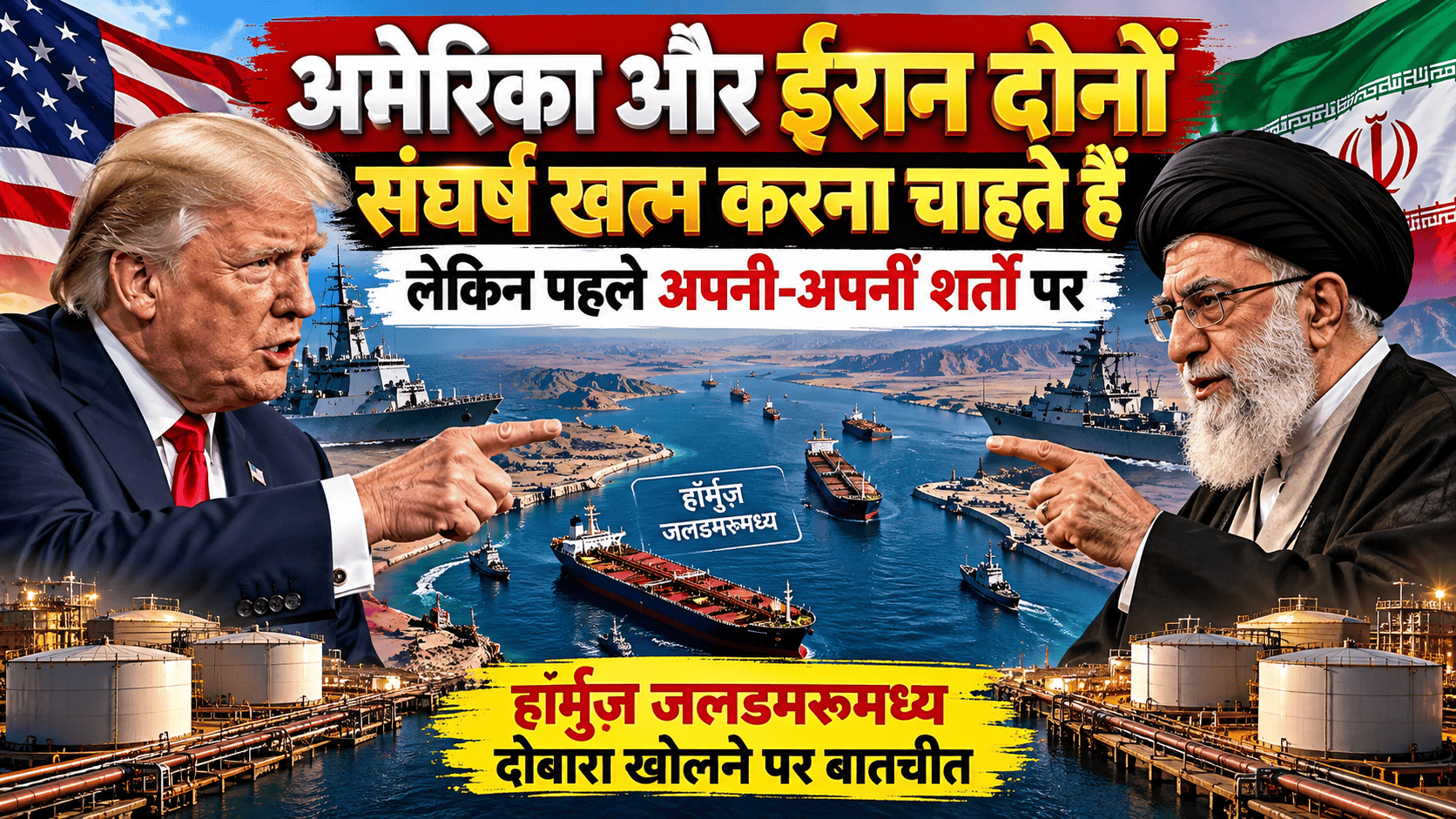
US and Iran Explore Phased Agreement to End Conflict and Reopen Strait of Hormuz
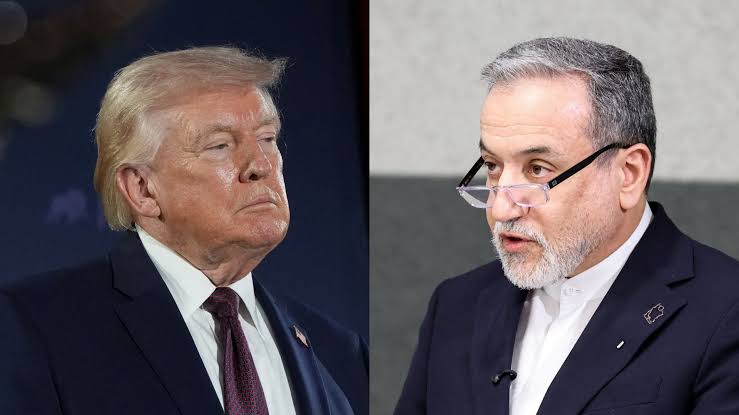
Both the US and Iran want to end the ongoing confrontation, but each side is seeking concrete concessions before making major commitments. According to sources cited by Reuters, negotiators from the United States and Iran are discussing a phased arrangement in New York that could link the reopening of the Strait of Hormuz with the lifting of Washington’s economic blockade on Iran. The latest diplomatic developments between Washington and Tehran have opened a possible path toward reducing the prolonged conflict between the two countries.
New York Talks Focus on a Phased Understanding
Both the US and Iran want to end the conflict, but the central challenge is determining which side should act first. Negotiators are reportedly exploring a step-by-step process rather than attempting to settle every disagreement through one comprehensive agreement.
Under the emerging proposal, Iran could restore navigation through the Strait of Hormuz while the United States would ease or lift economic restrictions affecting Iran. The idea reflects the fact that both countries possess important sources of leverage. Washington has economic tools that can place pressure on Tehran, while Iran has influence over a strategically important maritime route.
Both the US and Iran want to end the fighting, but neither wants to surrender its bargaining position without receiving something in return. Reuters reported that the discussions are taking place alongside the United Nations General Assembly meetings in New York, where diplomatic efforts have intensified.
Strait of Hormuz at the Center of Negotiations
The Strait of Hormuz has become a major part of the diplomatic discussions because of its importance to international energy and shipping. The waterway connects the Persian Gulf with the Gulf of Oman and serves as a major route for energy shipments.
For Washington and international shipping interests, restoring reliable passage through the strait is a significant objective. For Tehran, the issue is connected to wider demands concerning economic pressure, military pressure and its control over the waterway.
Both the US and Iran want to end the conflict, and the proposed arrangement attempts to connect these two priorities. Iran could take steps toward reopening navigation, while the United States could respond by removing economic restrictions.
Reuters reported that Iranian sources see a phased arrangement as one possible way to overcome the current deadlock. Earlier statements from Iranian officials also indicated that Tehran could consider reopening the waterway if Washington reduced military pressure and lifted its blockade.
Economic Pressure on Iran
Both the US and Iran want to end the confrontation, but economic conditions are an important factor in Tehran’s calculations. US restrictions have targeted parts of Iran’s economy, including its oil-related revenues and other economic networks.
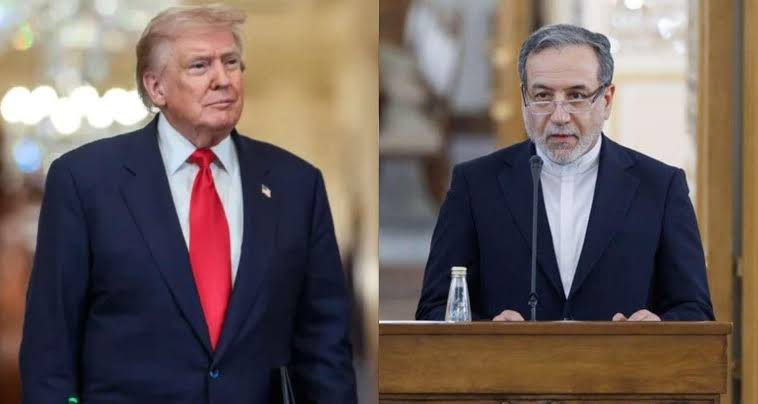
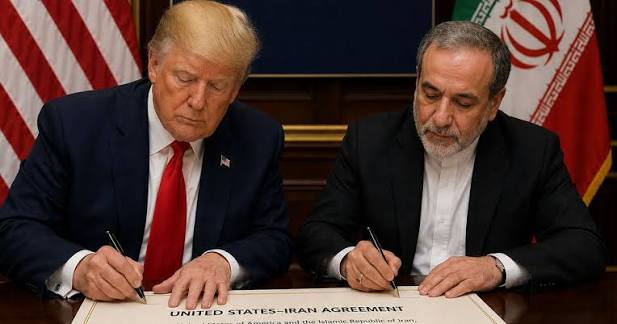
For Iran, relief from these restrictions could provide greater access to international trade and financial resources. The possibility of economic relief therefore forms a central part of the diplomatic discussion.
Reuters reported that Tehran has also considered the possibility of moving certain demands, including questions surrounding transit fees, outside the main agreement. This indicates that negotiators may be examining ways to separate immediate de-escalation measures from longer-term disagreements.
Both the US and Iran want to end the conflict, but the sequence of actions remains sensitive. Iran wants assurances that economic pressure will actually be reduced, while Washington wants dependable guarantees regarding shipping through Hormuz.
Washington’s Position
Both the US and Iran want to end the current confrontation, although Washington has continued to emphasize pressure on Tehran. The US position has included demands concerning Iran’s conduct and the security of shipping routes in the region.
The proposed phased framework could offer Washington a way to obtain greater freedom of navigation while simultaneously reducing some of the economic pressure that has contributed to the confrontation.
However, there is uncertainty about whether any commitments would remain in place over the longer term. Reuters reported that one of the major challenges is creating an arrangement durable enough for both sides to trust.
Iran’s Conditions
Both the US and Iran want to end the conflict, but Tehran has made clear that it expects significant changes in the pressure campaign before making major concessions.
Iranian officials have repeatedly connected the reopening of Hormuz with the lifting of restrictions and reduction of military pressure. On September 22, Reuters reported that an Iranian official said Tehran could reopen the strategically important waterway within a week if the United States reduced military pressure and lifted its blockade on Iranian ports.
The latest discussions therefore represent an attempt to convert those demands into a structured diplomatic process.
Why the Agreement Could Be Difficult
Both the US and Iran want to end the war, but the negotiations face a basic problem: neither side wants to move first and lose its principal bargaining advantage.
For Washington, economic restrictions are a major source of pressure. For Tehran, the Strait of Hormuz represents a powerful strategic point. Giving up either advantage without reciprocal action could weaken a country’s negotiating position.
Reuters reported that sources familiar with the discussions described this mutual concern as one of the biggest obstacles to reaching an agreement.
Both the US and Iran want to end the conflict, but the proposed phased process is designed to address precisely this problem. Instead of requiring one side to make a large unilateral concession, the proposal could establish reciprocal steps.
Impact on Global Trade and Energy
Both the US and Iran want to end the confrontation, and reopening Hormuz could have consequences well beyond the two countries. The waterway is an important route for global energy shipments, meaning prolonged restrictions can affect shipping, insurance, energy markets and transportation costs.
The uncertainty surrounding Hormuz has already encouraged countries in the Gulf region to examine alternative routes and infrastructure. The United States has also been exploring measures designed to reduce dependence on the waterway, according to reports.
A stable reopening could therefore reduce some of the uncertainty affecting international commerce. However, shipping companies and insurers would still need confidence that navigation could continue safely and consistently.
Gulf Countries Seek De-escalation
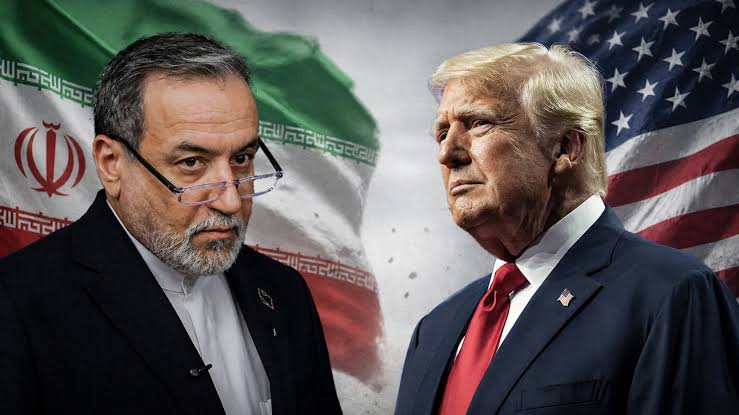
Both the US and Iran want to end the conflict, while Gulf countries have their own concerns about regional security. Countries in the region depend heavily on stable maritime routes and have a direct interest in preventing further military escalation.
Reuters reported that Gulf leaders have pressed Washington for clarity about its longer-term strategy and have also supported efforts toward de-escalation. They have opposed arrangements that would allow strategic waterways to become permanent tools of pressure.
This makes the negotiations a wider regional issue rather than simply a bilateral dispute between Washington and Tehran.
What Happens Next?
Both the US and Iran want to end the conflict, but the New York discussions are still exploratory. No final agreement has been announced, and major differences remain between the two sides.
The proposed sequence could involve an initial reduction in restrictions, followed by steps to restore navigation through Hormuz and then additional measures addressing broader disputes. The exact timing, verification mechanisms and guarantees would be critical if such an arrangement moves forward.
Both the US and Iran want to end the confrontation, but trust remains one of the biggest challenges. Previous diplomatic understandings have encountered difficulties, making both sides cautious about relying on temporary commitments.
For now, Both the US and Iran want to end the conflict, but their different conditions continue to shape the negotiations. The New York talks could provide a framework for reciprocal steps, with the Strait of Hormuz and economic restrictions serving as the key elements of the proposed arrangement.
If the two sides can agree on a sequence that provides sufficient guarantees to both governments, the phased approach could become an important channel for de-escalation. If they cannot resolve the question of reciprocal concessions, however, the negotiations may continue without producing a final settlement. The coming diplomatic discussions will therefore determine whether the current proposal can move from an exploratory framework toward a concrete agreement.
Read More latest news

