
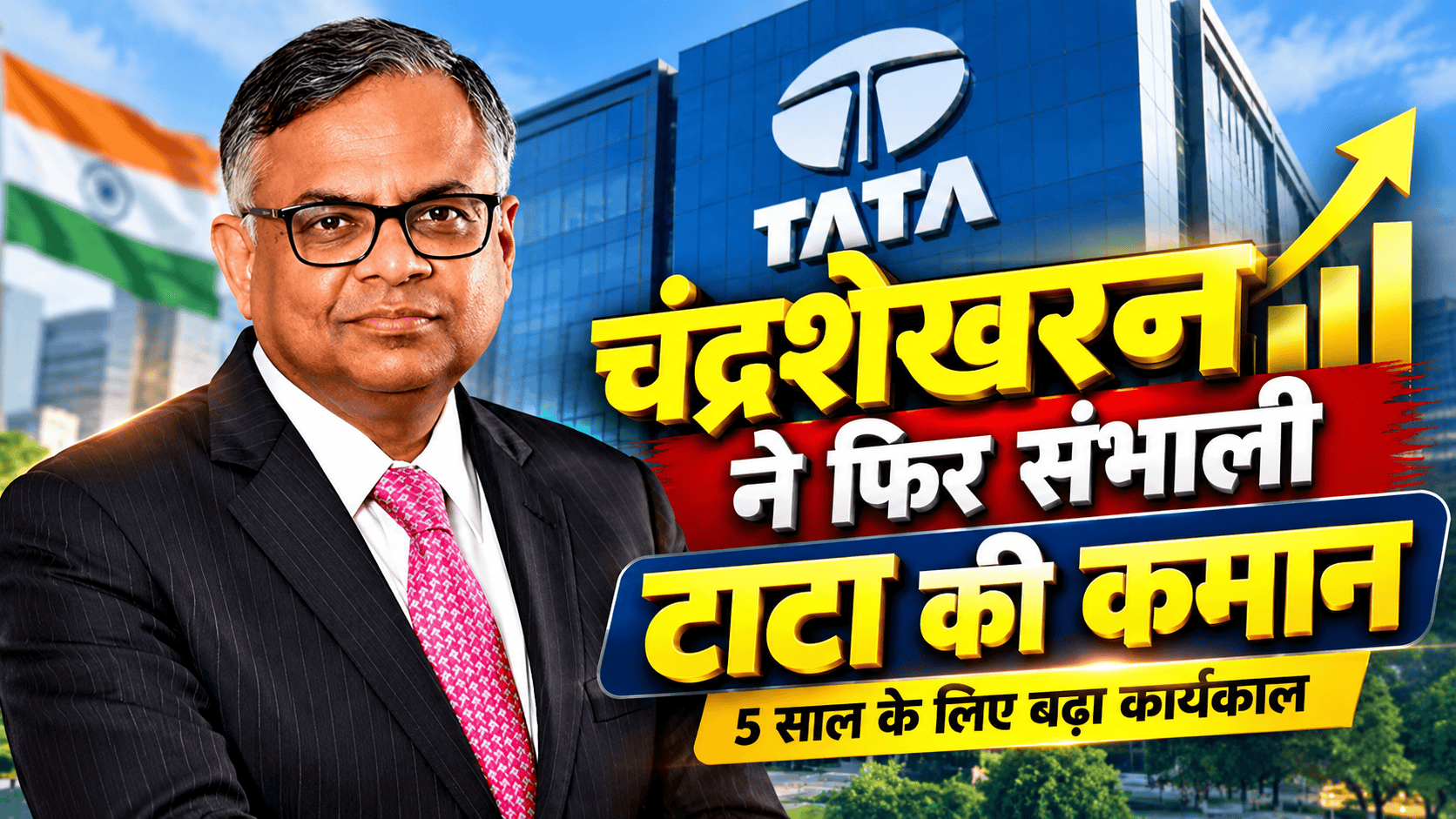
Chandrasekaran Will Take Tata Group Leadership Forward for Another Five Years
The Tata Group has witnessed a major leadership development with N. Chandrasekaran set to continue as Executive Chairman of Tata Sons for another five years. The decision was taken at a Tata Sons board meeting held on Thursday, September 17, 2026. The board approved his reappointment after he agreed to reconsider his earlier decision not to seek another term. His existing tenure is scheduled to end in February 2027.
The development means Chandrasekaran will take Tata into another important phase of its growth journey. His continuation comes at a time when the conglomerate is dealing with major strategic, regulatory and corporate issues. The leadership decision also ends, at least for now, the immediate uncertainty surrounding the succession of Tata Sons.
Chandrasekaran Will Take Tata Forward With Five-Year Extension
According to the statement issued after the board meeting, Chandrasekaran agreed to reconsider his earlier decision to leave the company after his current term. Following this, the board resolved by majority vote to reappoint him as Executive Chairman for another five-year period.
This means Chandrasekaran will take Tata through a new five-year leadership period beginning after the completion of his current tenure. He has been Chairman of Tata Sons since 2017 and has already completed one five-year term before entering his current second term.
The decision is significant because Chandrasekaran had indicated in August that he would not seek another term. That announcement had led to discussions about succession and the future leadership structure of Tata Sons. The latest board decision has now changed that situation.
A Change After Earlier Succession Discussions
The reappointment follows several weeks of uncertainty over who would lead Tata Sons after February 2027. The Nomination and Remuneration Committee of the Tata Sons board met on September 3 to discuss Chandrasekaran’s earlier decision.
The committee subsequently requested him to reconsider his decision and recommended his reappointment. Tata Sons said the request was made in recognition of his contribution and what the committee described as the larger interests of the Tata Group.
As a result, Chandrasekaran will take Tata into the next phase instead of leaving the group in early 2027 as previously indicated.
Tata Group Transformation Under Chandrasekaran
Since taking charge in 2017, N Chandrasekaran has been associated with a period of expansion and transformation across several businesses of the Tata Group. The conglomerate has increased its focus on areas such as technology, electronics manufacturing, electric vehicles, aviation, semiconductors and digital businesses.
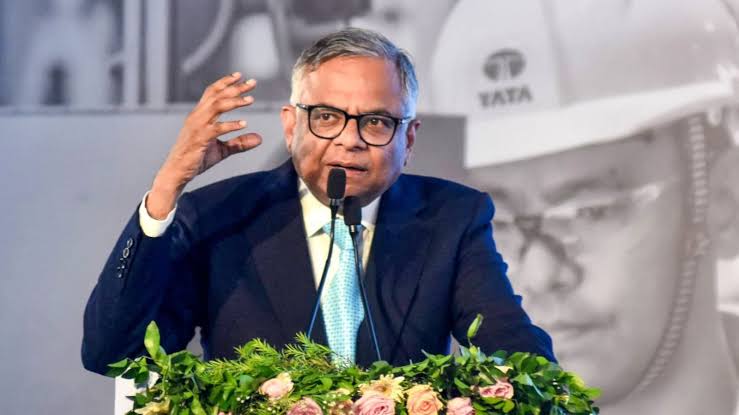
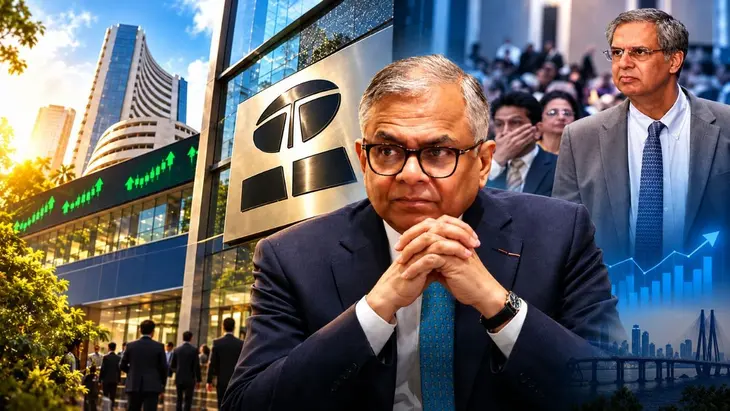
Tata’s growing presence in strategic industries has also made leadership continuity an important issue for investors, employees and business partners. With the latest decision, Chandrasekaran will take Tata through a period in which several long-term investments could become increasingly important.
The group’s aviation business, electronics ambitions and manufacturing investments are among the areas attracting attention. At the same time, Tata companies operate across automobiles, information technology, consumer products, hospitality, steel and financial services.
Tata Sons and the Regulatory Challenge
Another major issue surrounding Tata Sons is its regulatory status. Reports have linked the company’s future structure with Reserve Bank of India requirements and the possibility of a public listing.
The Tata Sons board has said it will initiate steps to comply with applicable RBI guidelines and seek guidance from the central bank, Tata Trusts and other stakeholders on the relevant compliance requirements.
This regulatory backdrop makes the latest leadership decision particularly important. Chandrasekaran will take Tata through a period that could involve significant corporate restructuring and regulatory decisions.
Reports have also said that the board has initiated steps connected with the possible listing of Tata Sons. However, the exact structure and timeline remain subject to regulatory and corporate processes.
Tata Trusts and Board Differences
The reappointment has also brought attention to differences within Tata’s governance structure. Indian Express reported that Noel Tata was the only director to oppose the reappointment resolution, while the board passed it by majority vote.
The disagreement is significant because Tata Trusts has a major ownership role in Tata Sons. The issue of governance, board authority and the relationship between Tata Sons and the trusts could therefore remain an important subject in the coming months.
For the broader Tata Group, Chandrasekaran will take Tata forward while these governance and regulatory questions continue to develop.
Focus on the Next Five Years
The next five years could be important for the Tata Group as it continues investing in new industries while managing its established businesses. Under Chandrasekaran’s leadership, the group has pursued large-scale projects requiring substantial capital and long-term planning.
The continuation of the chairman’s tenure provides a degree of leadership continuity during this period. Chandrasekaran will take Tata into another five-year cycle at a time when the group is balancing expansion with regulatory compliance and corporate governance.
The decision also means that the succession process that had become a major discussion point is no longer immediately necessary for the chairmanship. Instead, attention is likely to shift toward the execution of Tata’s strategic priorities and the resolution of outstanding governance matters.
What the Reappointment Means for Tata’s Businesses
For Tata Group companies, leadership continuity can be particularly relevant because several businesses are interconnected through the broader group structure. Tata Motors, Tata Consultancy Services, Tata Steel, Tata Power, Tata Consumer Products and other major companies have their own boards and management teams, but the Tata Sons leadership remains important to the group’s overall strategic direction.
As Chandrasekaran will take Tata into another five years, investors and industry observers are likely to watch how the group approaches capital allocation, new investments, global expansion and emerging technologies.
The aviation and semiconductor sectors could remain particularly important areas of attention. Tata has made major investments in these areas, reflecting its broader strategy of expanding into industries considered strategically significant for India’s economy.
Leadership Continuity Amid Major Decisions
The reappointment also sends a clear message about continuity at the top of Tata Sons. Rather than preparing immediately for a new chairman, the company will continue with Chandrasekaran after his current tenure expires.
Therefore, Chandrasekaran will take Tata into the next chapter with experience accumulated from nearly a decade at the helm. His second extension comes after the board reconsidered the succession situation and requested him to continue.
At the same time, the disagreement surrounding the board decision shows that Tata Sons may continue to face important governance discussions. The coming months could therefore involve further developments concerning the company’s regulatory position, listing plans and relationship with Tata Trusts.
The Road Ahead
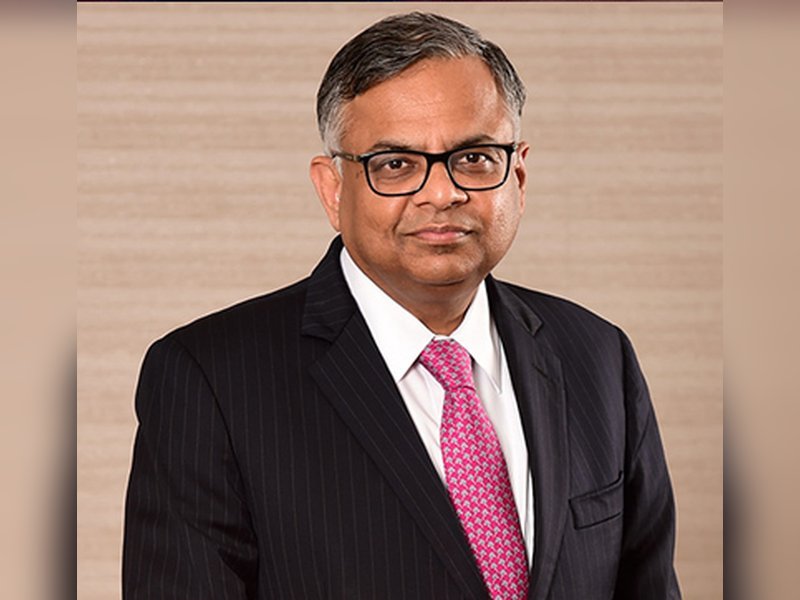
The five-year extension gives Tata Sons a defined leadership direction through the next phase of its corporate journey. Chandrasekaran will take Tata forward while the group navigates changes in technology, manufacturing, aviation, energy and global business.
For the Tata Group, the immediate focus is likely to remain on executing existing investments, managing regulatory requirements and maintaining coordination among its different stakeholders.
Ultimately, Chandrasekaran will take Tata into another five-year term after the Tata Sons board approved his reappointment. The decision reverses his earlier plan to step down after his current tenure and places continuity at the centre of the group’s leadership strategy. Chandrasekaran will take Tata through a period that could prove significant for the conglomerate’s future structure and business expansion.
The board’s decision has therefore become one of the most important corporate developments surrounding the Tata Group in 2026. With Chandrasekaran will take Tata becoming the defining leadership development, attention will now turn toward how the group handles its next phase of growth, regulation, governance and investment. Chandrasekaran will take Tata forward with another five-year mandate, subject to the applicable corporate and regulatory processes. Chandrasekaran will take Tata into a new chapter where continuity and strategic execution will remain closely watched. Chandrasekaran will take Tata at a time of major changes across India’s corporate and industrial landscape. Finally, Chandrasekaran will take Tata beyond the current leadership transition and into the next five-year period.
Read more latest news

