
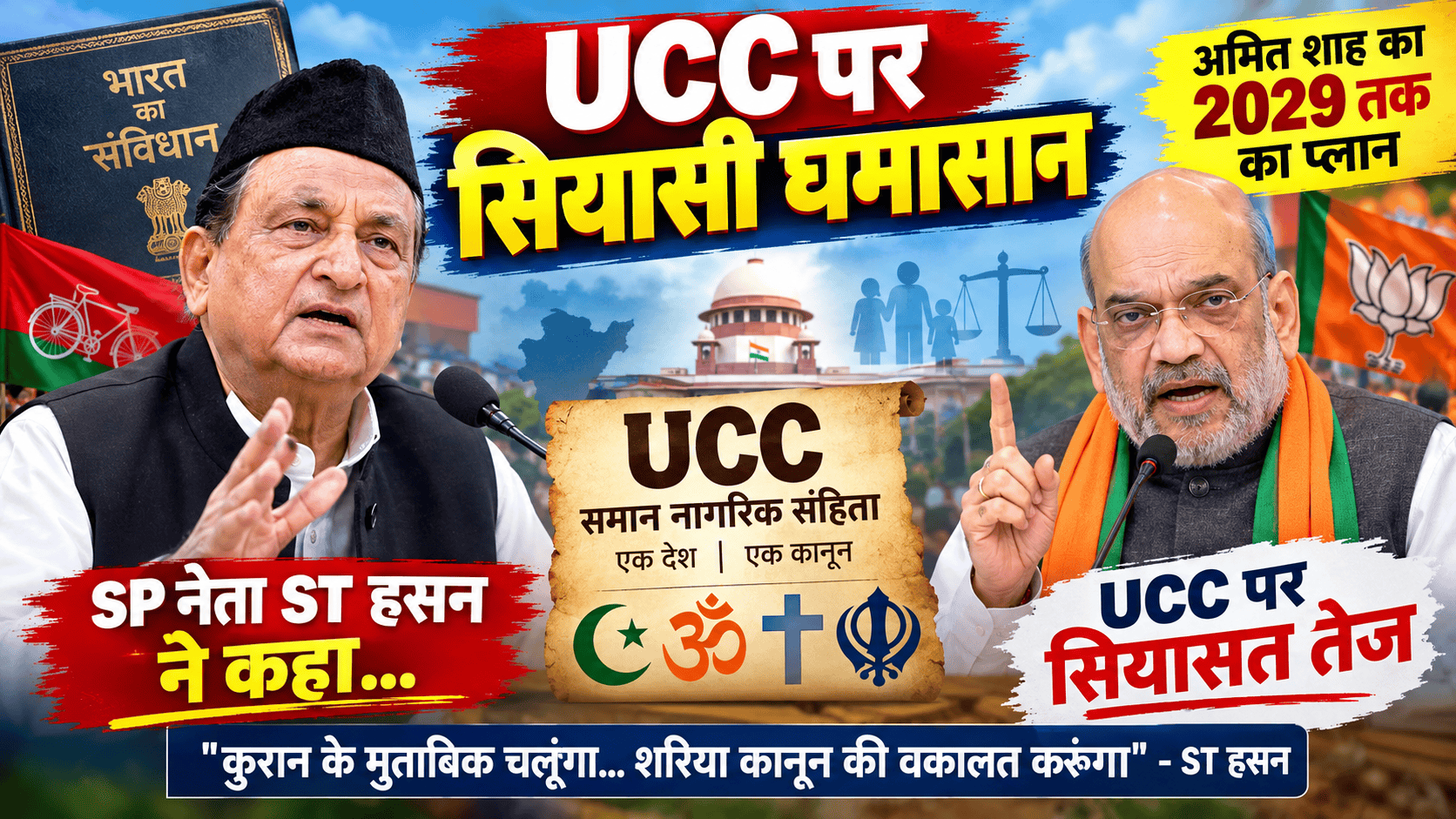
SP leader ST Hasan spoke on the UCC: Former MP Reacts to Uniform Civil Code Debate
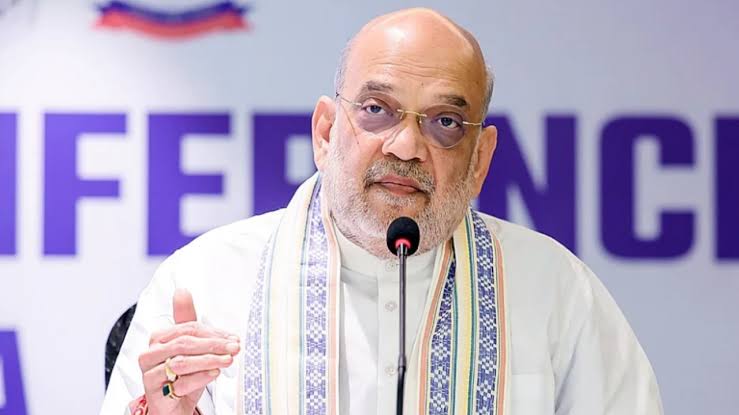
The debate over the Uniform Civil Code (UCC) has once again gained attention in Indian politics following comments by Union Home Minister Amit Shah regarding its implementation in BJP-ruled states by 2029. In Moradabad, former Samajwadi Party MP Dr. ST Hasan responded to the statement and shared his views on personal laws, the Quran, and the proposed UCC.
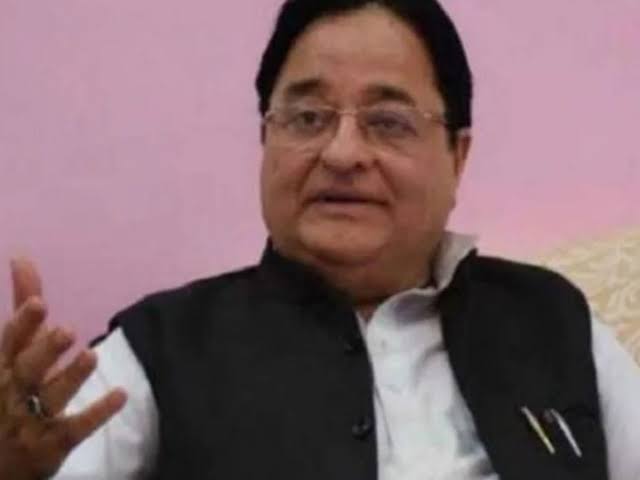
SP leader ST Hasan spoke on the UCC while responding to the ongoing political discussion surrounding the Uniform Civil Code. Hasan said that if provisions are introduced, he would look at them in the light of the principles and commandments outlined in the Quran. His remarks have added another perspective to the continuing debate over whether India should have a common set of personal laws applicable to citizens irrespective of religion.
SP leader ST Hasan spoke on the UCC and Sharia Law
During his interaction in Moradabad, Hasan stated that he would advocate for Sharia law and follow the commandments prescribed in the Quran. His comments reflect the wider debate over the relationship between religious personal laws and a common civil code.
The issue of personal law in India involves areas such as marriage, divorce, inheritance, adoption and maintenance. At present, different communities can be governed by different personal-law frameworks in several areas. Supporters of the UCC argue that a common civil framework could establish uniformity, while opponents and critics have raised questions about religious freedom, cultural practices and the practical implications of replacing or changing existing personal laws.
SP leader ST Hasan spoke on the UCC in the context of these competing views and emphasized the importance of religious principles for members of his community.
What is the Uniform Civil Code?
The Uniform Civil Code refers to the idea of having one common set of civil laws governing personal matters for all citizens, regardless of religion. Article 44 of the Constitution of India says that the State should endeavour to secure a uniform civil code for citizens throughout the territory of India.
The subject has remained politically and socially significant for decades. Advocates describe the UCC as a way to promote equality and consistency in personal laws. Critics, however, have argued that implementation must carefully consider India’s religious and cultural diversity.
SP leader ST Hasan spoke on the UCC at a time when the issue continues to generate discussion among political parties, legal experts and members of different communities.
Amit Shah statement and the 2029 discussion
Union Home Minister Amit Shah has spoken about the objective of implementing the Uniform Civil Code in BJP-ruled states by 2029. The statement has brought renewed attention to the question of how different states may approach changes to personal laws.
Implementation of a UCC would involve significant legal and administrative considerations. Any proposed framework would need to be examined through the constitutional principles of equality, religious freedom and individual rights.
SP leader ST Hasan spoke on the UCC in response to this political discussion and expressed his disagreement with what he characterized as an attempt to alter existing personal-law practices.
Hasan comments on family and daughters
Another important part of Hasan’s remarks concerned family arrangements and the distribution of property or resources. He argued that individuals should have the right to decide how much they want to allocate to their families and daughters.
Inheritance and property rights are among the areas frequently discussed in conversations about personal laws. Different legal provisions and religious traditions have historically governed inheritance matters in India.
SP leader ST Hasan spoke on the UCC by highlighting what he described as the importance of allowing individuals to make decisions concerning their families and daughters.
The question of inheritance is particularly significant because it involves both individual property rights and established personal-law traditions. Any changes in this area would therefore have consequences for families and communities.
Debate over religion and civil law
India’s constitutional structure provides both equality before the law and protection for freedom of religion. The debate around the UCC often focuses on how these principles should operate together.
Supporters of a common civil code believe that personal laws should provide equal rights and protections to all citizens. Those who oppose or question the proposal often emphasize that personal laws are closely connected to religious identity and cultural practices.
SP leader ST Hasan spoke on the UCC from the perspective of religious personal law, saying that he would follow principles derived from the Quran.
The discussion therefore extends beyond politics and into questions concerning constitutional rights, religious freedom, gender rights, family law and individual choice.
Hasan calls it political atmosphere
Hasan also described the proposed move as politics that could vitiate the atmosphere. His comment reflects his view that the UCC debate could contribute to social and political tensions if handled in a manner that communities perceive as targeting their religious practices.
SP leader ST Hasan spoke on the UCC while criticizing what he sees as the political nature of the discussion. His remarks are part of a broader political debate in which different parties have expressed different positions on the proposed code.
Whether the UCC ultimately takes a particular form will depend on legislation, judicial scrutiny, constitutional considerations and political decisions.
Why the UCC remains an important issue
The Uniform Civil Code remains an important subject because personal laws affect everyday aspects of citizens’ lives. Marriage, divorce, inheritance, maintenance and other family-related matters can have long-term consequences for individuals.
Any discussion about changing these laws therefore involves multiple considerations. These include constitutional equality, individual rights, religious freedom, gender justice and the diversity of India’s communities.
SP leader ST Hasan spoke on the UCC at a moment when the subject is receiving renewed political attention because of the stated 2029 objective in BJP-ruled states.
The debate is likely to continue as political parties, legal experts, religious organizations and civil society groups discuss the possible advantages, concerns and consequences of a common civil framework.
Conclusion
The latest comments from former Samajwadi Party MP Dr. ST Hasan have added to the ongoing discussion over the Uniform Civil Code. Responding to Amit Shah’s statement concerning implementation in BJP-ruled states by 2029, Hasan said that he would consider the provisions in the light of the Quran and emphasized his support for following Sharia principles.
SP leader ST Hasan spoke on the UCC with particular emphasis on religious principles, family rights and individual choice. He also characterized the proposed move as political and potentially capable of affecting the social atmosphere.
As the UCC debate continues, the issue remains closely connected to India’s constitutional framework, personal laws and the country’s diverse social and religious traditions. The eventual direction of the debate will depend on future legislative proposals, constitutional interpretation and public discussion.
SP leader ST Hasan spoke on the UCC and his remarks have ensured that the discussion over personal law, religious freedom and a possible common civil framework remains in the public spotlight.
SP leader ST Hasan spoke on the UCC and emphasized that religious principles would remain important in his approach to personal-law questions.
SP leader ST Hasan spoke on the UCC as the political debate surrounding the proposed legislation continues across India.
Read more latest news

