
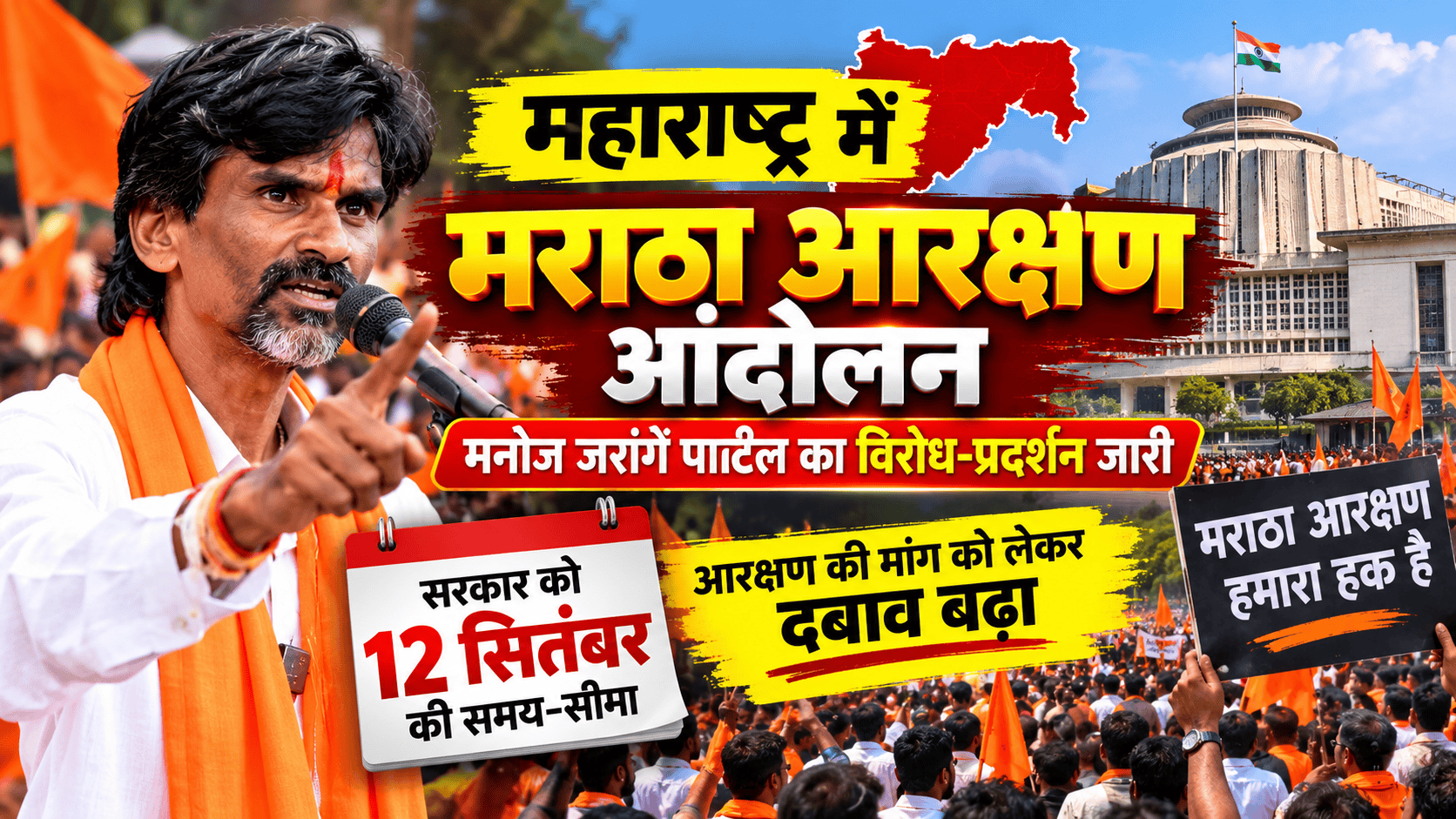
Maratha Reservation Agitation in Maharashtra: Manoj Jarange Patil’s Protest and September 12 Deadline
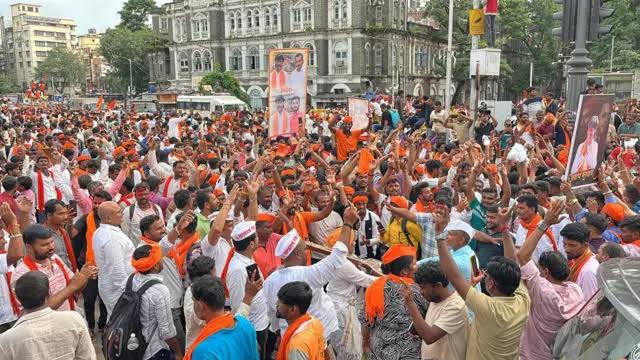
The Maratha reservation agitation has once again become a major political and social issue in Maharashtra. The protest led by Maratha activist Manoj Jarange Patil continues to attract significant attention as the community presses for reservation and related demands. With the government facing a September 12 deadline, pressure has increased on the authorities to find a solution through dialogue and negotiations.
The Maratha reservation agitation has a long and complicated background, involving demands for greater access to education and government employment opportunities. The Maratha community has repeatedly argued that reservation is necessary to improve opportunities for economically and socially disadvantaged sections within the community. Over the years, the issue has generated major political debates across Maharashtra.
Manoj Jarange Patil Role
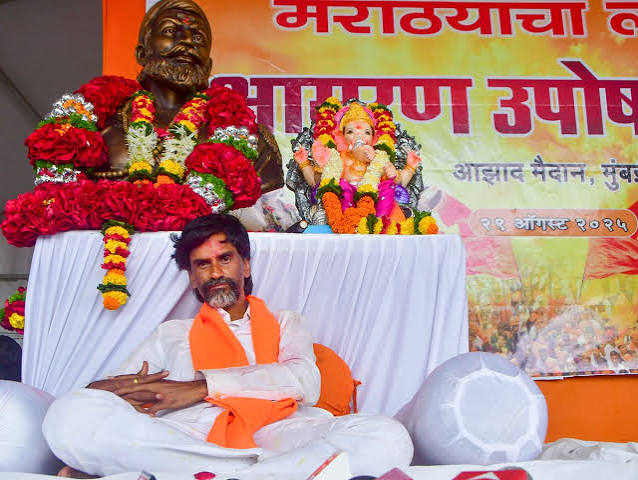
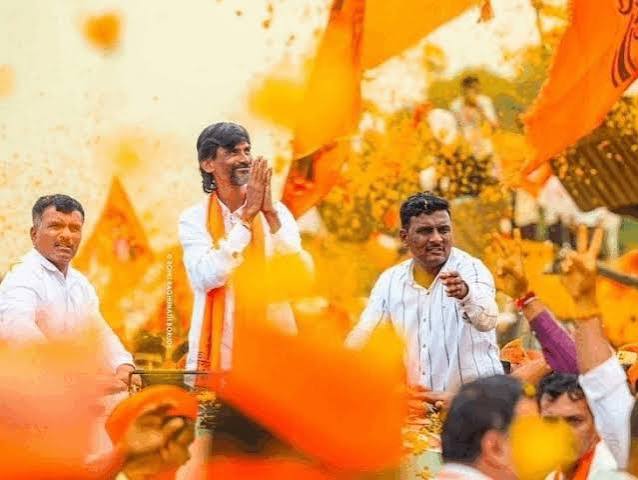
Manoj Jarange Patil has emerged as one of the most prominent voices associated with the Maratha reservation agitation. His protests have attracted large numbers of supporters and have placed considerable political pressure on successive governments in Maharashtra.
Jarange Patil has consistently demanded concrete action from the government rather than assurances alone. His latest deadline of September 12 has added urgency to the situation. Government representatives now face the challenge of addressing the demands while ensuring that any decision remains legally sustainable.
The Maratha reservation agitation has also highlighted the importance of communication between the protesters and the state administration. Both sides are expected to remain engaged in discussions in an attempt to prevent the situation from escalating.
Why the Reservation Demand Is Important
Reservation is an emotionally and politically sensitive issue in Maharashtra. Supporters of the Maratha reservation agitation argue that members of the community require greater opportunities in education and public employment.
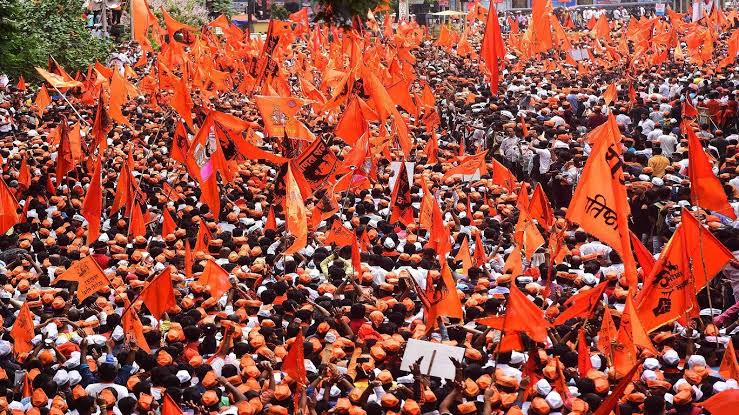
The debate, however, is not limited to political considerations. Reservation policies must also comply with constitutional provisions and judicial decisions. Any proposal made by the Maharashtra government therefore needs to consider legal limitations, existing reservation categories and the interests of other communities.
This makes the Maratha reservation agitation particularly challenging for policymakers. A decision that satisfies one section could potentially create concerns among other communities. The government therefore has to balance competing demands while searching for a legally defensible solution.
September 12 Deadline Creates Pressure
The September 12 deadline has become a crucial point in the Maratha reservation agitation. Manoj Jarange Patil has indicated that the government needs to respond to the community’s demands by that date.
Such deadlines often increase pressure on political leaders because they create expectations among protesters and supporters. If negotiations produce meaningful progress, the possibility of further escalation could be reduced. If talks fail, however, the movement could enter another phase.
The Maratha reservation agitation is therefore being closely monitored by political parties, government officials, community organizations and ordinary citizens across Maharashtra.
Government Faces a Difficult Balancing Act
For the Maharashtra government, the Maratha reservation agitation represents a complex administrative and political challenge. The authorities have to respond to the protesters while ensuring that any policy decision follows constitutional and judicial requirements.
The government may seek to continue discussions with community representatives and explore possible legal and administrative options. At the same time, officials will likely be concerned about maintaining peace and preventing disruptions to public life.
The Maratha reservation agitation has demonstrated how strongly reservation remains connected with questions of social justice, economic opportunity and political representation.
Political Impact in Maharashtra
The Maratha reservation agitation has also affected Maharashtra’s political landscape. Political parties are closely watching developments because the Maratha community represents a significant social and electoral constituency in the state.
Leaders from different political parties have expressed varying positions on the reservation issue. Some have supported the community’s demands, while others have emphasized the need to remain within constitutional and legal boundaries.
With elections and political battles shaping Maharashtra’s public discourse, the Maratha reservation agitation could become an important issue in political campaigns and public debates.
Political parties will likely attempt to present their positions as supportive of the community while avoiding commitments that could face legal difficulties later.
The Importance of Dialogue
Dialogue remains one of the most important factors in resolving the Maratha reservation agitation. Government representatives and protest leaders need to maintain communication to understand each other’s positions and identify areas of possible agreement.
A negotiated solution could help prevent further disruption and provide the government with time to examine legal options. For protesters, meaningful dialogue could provide an opportunity to secure written commitments and timelines rather than relying solely on verbal assurances.
The Maratha reservation agitation has repeatedly shown that public movements can influence government policy when they maintain sustained pressure and public support.
Legal Challenges Cannot Be Ignored
One of the biggest challenges surrounding the Maratha reservation agitation is the legal framework governing reservations. Maharashtra has previously attempted to provide reservation to the Maratha community, but the issue has faced significant judicial scrutiny.
Any new reservation arrangement must therefore be carefully designed. The government would need to consider constitutional provisions, judicial precedents and the overall reservation structure in the state.
For supporters of the Maratha reservation agitation, legal sustainability is equally important because they want a solution that can survive judicial review. A policy that is announced politically but later struck down in court would not provide a lasting resolution.
What Could Happen After September 12?
The next phase of the Maratha reservation agitation will depend largely on the outcome of discussions between the government and representatives of the protesting community.
If the government provides a concrete roadmap, the movement could potentially enter a calmer phase. If protesters believe that their demands have not been addressed, however, further demonstrations could be organized.
The situation could also influence Maharashtra’s political debate in the coming months. The government’s response to the deadline will be carefully examined by both supporters and opponents of the movement.
Broader Social Significance
Beyond politics, the Maratha reservation agitation reflects broader concerns about employment, education and economic security. Young people in particular are seeking better access to educational institutions and stable employment opportunities.
The reservation debate therefore connects with wider questions about how governments can create opportunities for different sections of society. While reservation is one mechanism, employment generation, skill development, quality education and economic support are also important parts of the larger discussion.
The Maratha reservation agitation has brought these issues into the public spotlight once again.
Conclusion
The Maratha reservation agitation remains one of Maharashtra’s most significant ongoing political and social issues. With Manoj Jarange Patil continuing his protest and the September 12 deadline approaching, attention is focused on negotiations between the government and representatives of the Maratha community.
The coming days could prove important. A successful dialogue may help create a path toward a sustainable solution, while a breakdown in talks could lead to renewed demonstrations and political pressure.
Ultimately, the Maratha reservation agitation requires a solution that addresses the concerns of the Maratha community while respecting constitutional principles and the rights of other sections of society. The Maharashtra government faces the difficult task of balancing social demands, legal requirements and public order.
As the September 12 deadline approaches, all eyes remain on the government’s next move and Manoj Jarange Patil’s response. The outcome of this phase could have a significant impact on Maharashtra’s politics, public discourse and the future direction of the reservation debate.
Read more latest news

