
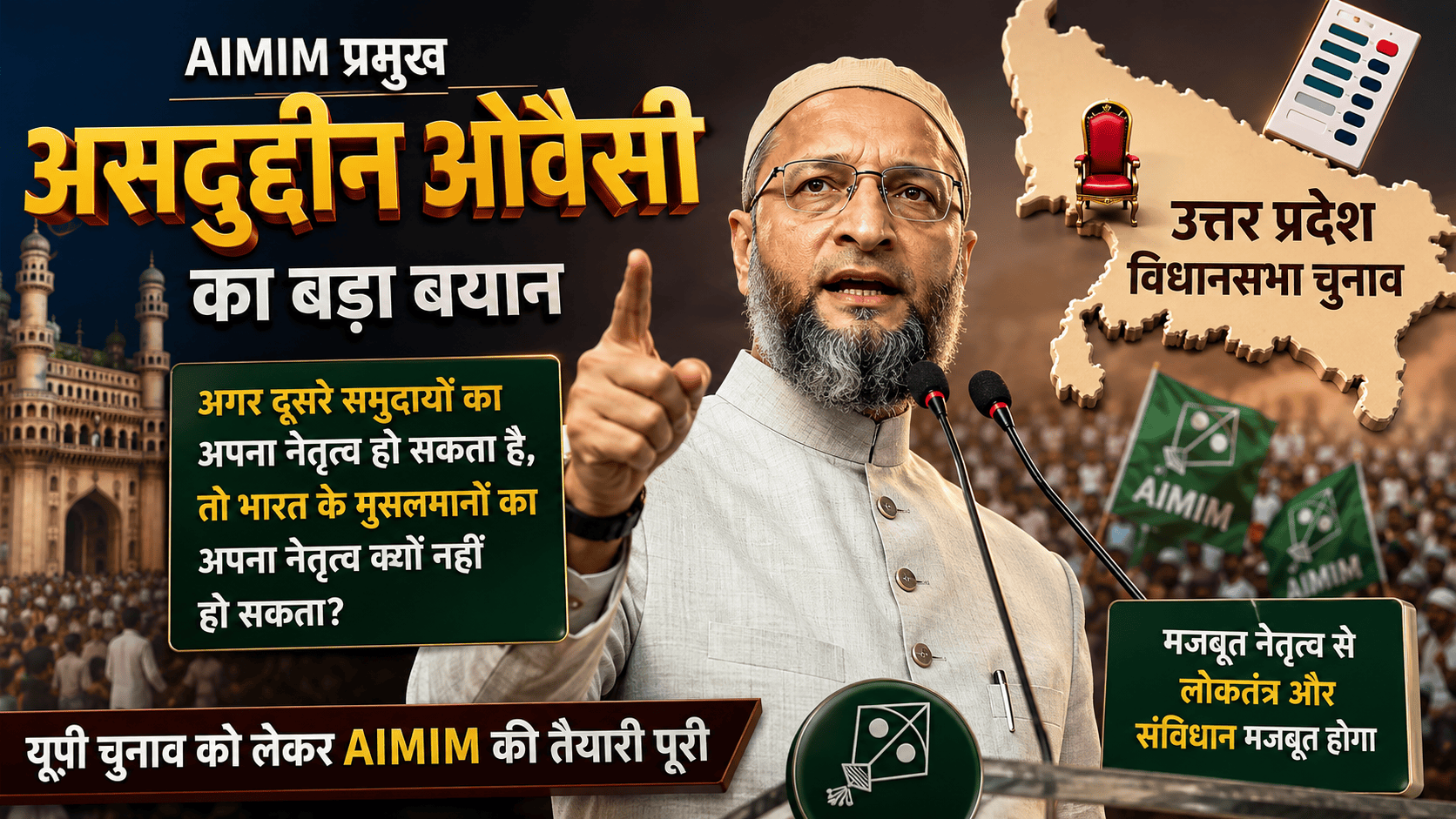
AIMIM Chief Asaduddin Owaisi Calls for Strong Muslim Political Leadership Ahead of Uttar Pradesh Elections
AIMIM chief Asaduddin Owaisi made a significant statement about political representation, leadership and the role of his party in Uttar Pradesh. His remarks focused on the question of whether Muslim voters should have an independent political leadership capable of representing their interests within the democratic and constitutional framework. The political landscape of Uttar Pradesh is once again attracting attention as parties begin preparing for the upcoming Assembly elections. In Hyderabad,
AIMIM chief Asaduddin Owaisi questioned why different communities can develop and support their own political leadership while Muslims should be expected to remain dependent on other political formations. His argument centered on political participation, representation and the importance of allowing voters to choose leadership that they believe reflects their concerns.
Owaisi Appeal for AIMIM Candidates
Addressing the issue of the Uttar Pradesh Assembly elections, AIMIM chief Asaduddin Owaisi appealed to people to support AIMIM candidates and work toward strengthening the party’s political presence in the state. He presented electoral success as an important step toward establishing a stronger political voice.
According to AIMIM chief Asaduddin Owaisi, democratic politics becomes stronger when different sections of society are able to participate meaningfully in elections and political institutions. His statement highlighted the importance of political leadership emerging from within communities rather than relying entirely on established parties.
The Uttar Pradesh election arena is particularly important because of the state’s large electorate and its influence on national politics. Any attempt by a political party to expand its presence in the state can therefore attract considerable political attention.
Question of Political Representation
At the heart of AIMIM chief Asaduddin Owaisi’s remarks was a question about political representation. He asked why Muslims in India should not have their own political leadership when other communities have leaders and political organizations representing their interests.
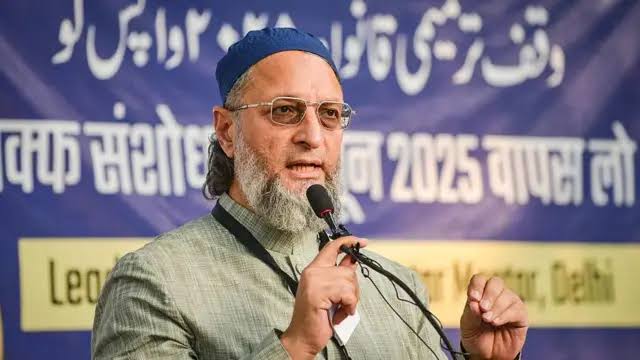
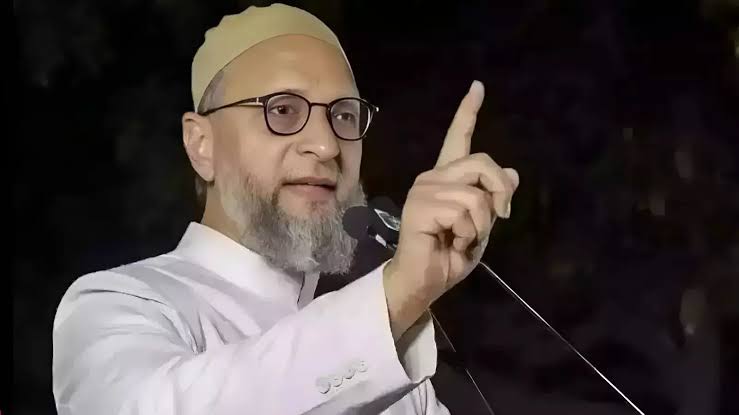
This argument touches upon a broader debate within Indian democracy. Political representation is often discussed in terms of whether different social groups have adequate voices in elected institutions. Supporters of independent community-based political leadership argue that it can bring specific concerns into mainstream political discussions.
On the other hand, critics may argue that identity-based politics can increase political divisions. The debate therefore extends beyond one party or one election and raises questions about how political representation should function in a diverse democracy.
AIMIM chief Asaduddin Owaisi has positioned his party’s electoral participation within this broader discussion, emphasizing that political empowerment should operate through democratic and constitutional means.
Focus on Uttar Pradesh Politics
The Uttar Pradesh Assembly elections provide an important platform for parties seeking to expand their political influence. For AIMIM, contesting elections in the state represents an opportunity to connect with voters and present its political agenda.
AIMIM chief Asaduddin Owaisi has called upon supporters to ensure the success of party candidates. The appeal reflects the importance that electoral performance has for any political organization attempting to establish itself beyond its traditional areas of influence.
Winning elections is not simply about securing seats. For emerging or expanding parties, electoral performance can determine whether they become a significant participant in political negotiations and public debates. A stronger presence in an Assembly can also provide a platform for raising constituency-level issues.
Democracy and the Constitution
One of the most important aspects of AIMIM chief Asaduddin Owaisi’s statement was his reference to democracy and the Constitution. He argued that strong political leadership can strengthen democratic institutions and constitutional values.
India’s Constitution guarantees political equality and provides citizens with the right to participate in the democratic process. Elections allow voters to choose representatives from different political parties and ideological backgrounds.
From this perspective, AIMIM chief Asaduddin Owaisi presented the success of AIMIM candidates as part of a larger democratic process. His appeal was not framed merely as an electoral strategy but also as an argument for political participation and representation.
The Constitution provides the foundation for India’s electoral system, while political parties serve as vehicles through which citizens participate in governance. The debate over representation is therefore closely connected with the functioning of democratic institutions.
A Larger Debate Over Community Leadership
The comments by AIMIM chief Asaduddin Owaisi also bring attention to a recurring question in Indian politics: Should communities seek independent political leadership, or should they participate primarily through broader national and regional parties?
There are arguments on both sides. Independent political organizations can focus strongly on issues affecting particular communities and may give voters additional choices. They can also encourage political participation among people who feel underrepresented.
At the same time, India’s electoral system encourages parties to build broad coalitions across communities. Political success often depends on attracting support from diverse sections of society.
AIMIM chief Asaduddin Owaisi appears to be emphasizing the first approach, arguing that Muslims should have the confidence to develop and support their own political leadership.
Why Uttar Pradesh Matters
Uttar Pradesh occupies a unique position in Indian politics because of its large population and substantial number of Assembly constituencies. Political developments in the state often influence national political conversations.
For AIMIM, expanding its organizational and electoral footprint in Uttar Pradesh could provide greater visibility and potentially create new opportunities for the party. The success or failure of its candidates would also help determine the extent of voter support for its political approach.
AIMIM chief Asaduddin Owaisi has therefore placed emphasis on the performance of AIMIM candidates and the need for supporters to participate actively in the electoral process.
The party’s campaign will likely face competition from several established political organizations. Voters will ultimately decide which candidates and parties they believe can best represent their interests.
The Importance of Voter Choice
Another key element of the discussion surrounding AIMIM chief Asaduddin Owaisi is voter choice. Democracy allows citizens to evaluate competing political platforms and select their preferred representatives.
Political parties can put forward different visions, while voters have the responsibility of assessing their candidates, policies and local priorities. A healthy electoral process depends on participation, informed decision-making and respect for constitutional procedures.
In this context, the call for AIMIM candidates to succeed in Uttar Pradesh can be viewed as an appeal to voters to consider another political option.
Looking Ahead

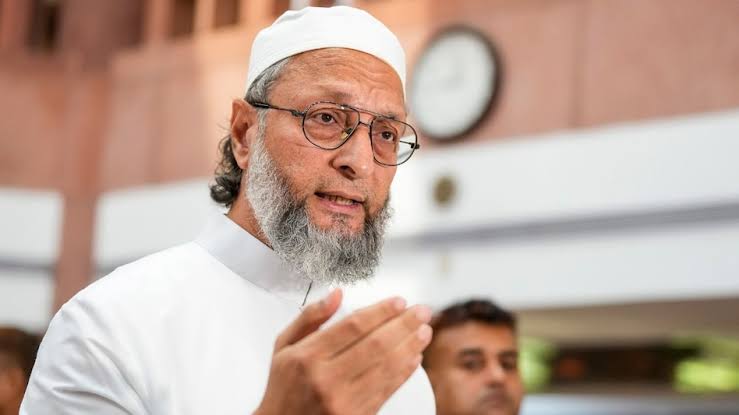
The political significance of AIMIM chief Asaduddin Owaisi’s statement will depend largely on how the party translates its message into electoral organization and voter support. Political speeches can generate attention, but elections ultimately measure public acceptance through votes.
The debate over Muslim political leadership is also likely to remain part of India’s broader conversation about representation, identity and democratic participation. Different political parties will offer competing interpretations of what constitutes effective representation.
For AIMIM chief Asaduddin Owaisi, the central message is that Muslims should not hesitate to build and support political leadership of their own. He believes that such participation can contribute to a stronger democracy when pursued within the framework of the Constitution.
As Uttar Pradesh moves toward another important electoral contest, the AIMIM’s strategy and the response of voters will be closely watched. Whether the party can convert its appeal into electoral gains will depend on its candidates, organization, campaign strategy and, most importantly, the choices made by voters.
Ultimately, AIMIM chief Asaduddin Owaisi has placed political representation at the center of his message. His appeal for AIMIM candidates in Uttar Pradesh reflects a broader argument about participation, leadership and democratic choice. The coming electoral battle will determine how strongly voters respond to that message and what role AIMIM can establish for itself in the state’s political landscape.
Read more latest news

