Case against opposing Reservation: Ramdas Athawale’s Statement Sparks National Debate
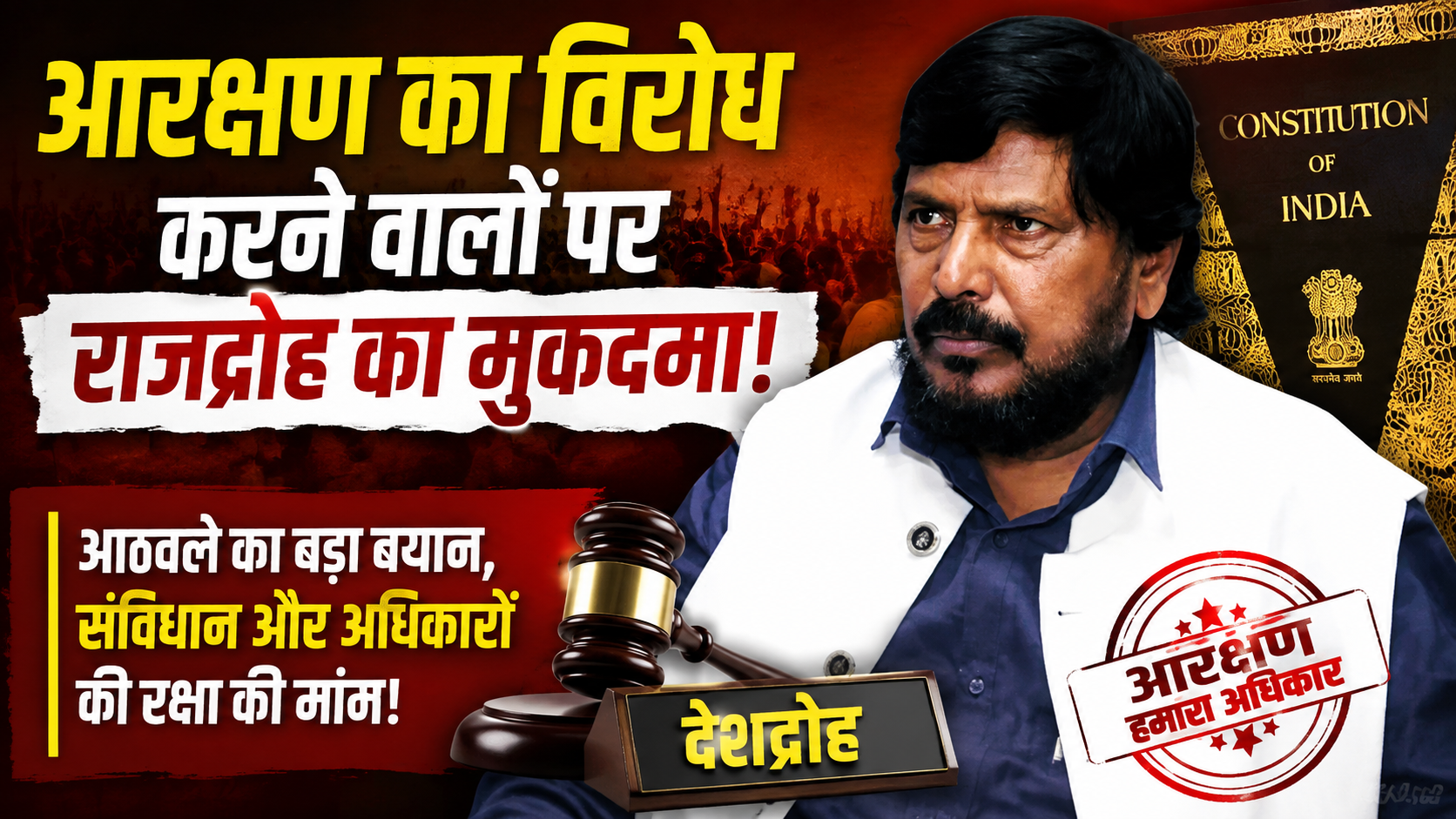
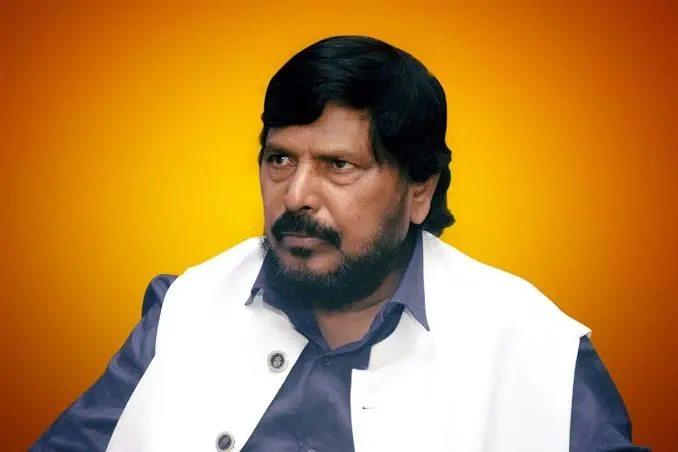
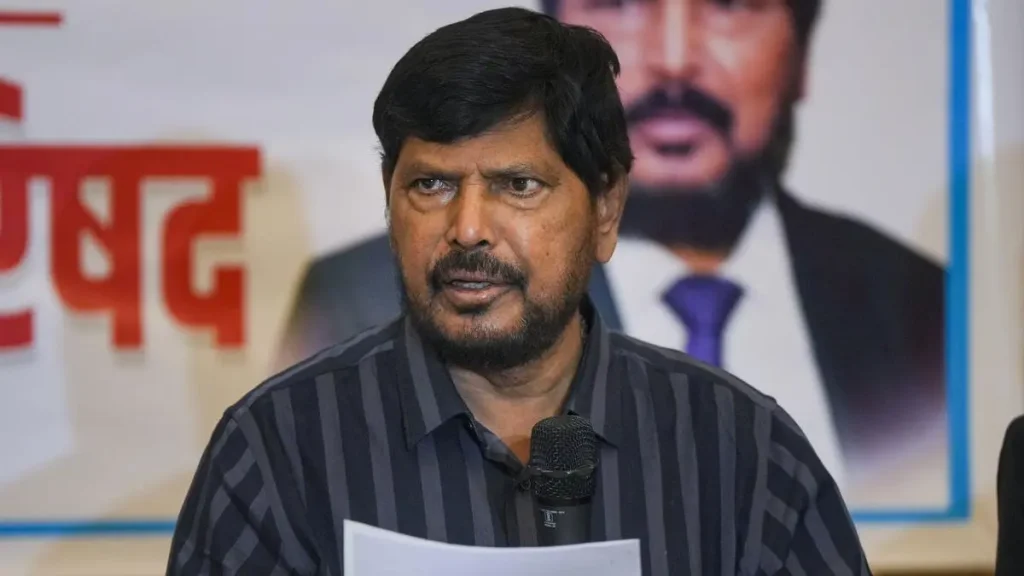
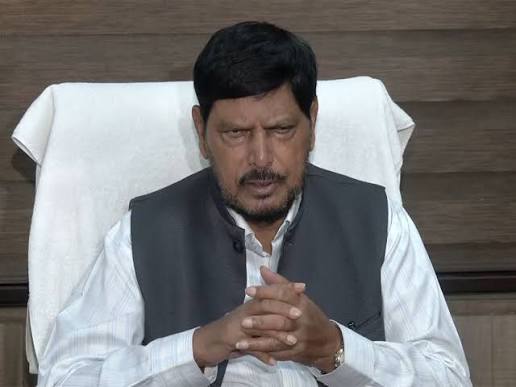
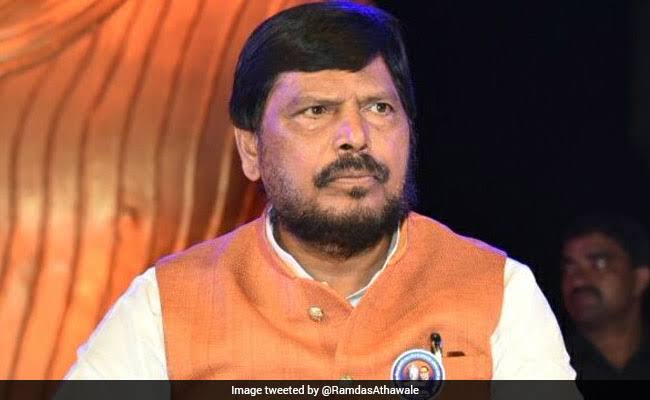
The debate over reservation in India has once again come into the national spotlight following a strong statement by Union Minister and Republican Party of India (Athawale) chief Ramdas Athawale. On Sunday, he demanded that a sedition case be registered against people who oppose reservation or call for its abolition. Athawale described reservation as a right granted under the Constitution and argued that opposition to reservation amounts to opposition to the Constitution itself. His remarks have triggered discussion about social justice, constitutional rights, freedom of expression, and the legal limits of political opposition.
The Case against opposing Reservation has emerged as a politically sensitive issue because reservation is closely connected with India’s constitutional commitment to equality and social justice. Reservation policies were designed to improve opportunities for communities that have historically faced social and educational disadvantages. Over the years, these policies have played an important role in education, government employment, and political representation.
Case against opposing Reservation in India
Athawale’s demand for a Case against opposing Reservation reflects his strong belief that reservation is not merely a temporary political measure but an important mechanism for achieving social equality. He has repeatedly emphasized the importance of protecting constitutional provisions intended to support disadvantaged communities. From his perspective, attempts to completely abolish reservation could weaken an important instrument of social justice.
The Case against opposing Reservation also raises questions about the relationship between constitutional rights and freedom of expression. India is a democratic country where citizens are generally entitled to express political opinions and criticize policies. At the same time, freedom of speech is subject to legal restrictions in certain circumstances. Therefore, whether a particular statement or action amounts to a criminal offence depends on the applicable law and the specific facts involved.
Ramdas Athawale demanded a case against reservation opponents
Reservation has its roots in India’s constitutional framework. The Constitution permits special provisions for socially and educationally disadvantaged groups as part of the broader objective of achieving substantive equality. The idea behind affirmative action is that treating historically disadvantaged and advantaged groups identically may not always produce genuine equality. Additional support may be necessary to create meaningful opportunities.
This constitutional background is central to the Case against opposing Reservation debate. Supporters of reservation argue that historical discrimination cannot be eliminated simply through formal equality. They believe that representation in education, employment, and public institutions is essential for creating a more inclusive society. For many beneficiaries, reservation represents access to opportunities that might otherwise remain difficult to obtain.
However, the Case against opposing Reservation discussion also involves legitimate disagreements about how reservation policies should operate. Some critics argue that reservation should be reviewed regularly to ensure that its benefits reach the most disadvantaged people. Others believe economic conditions should receive greater attention. There are also debates regarding the duration, percentage, implementation, and scope of reservation.
These disagreements demonstrate why the Case against opposing Reservation issue requires careful consideration. Supporting reservation does not necessarily mean rejecting every criticism of the system. Likewise, questioning aspects of reservation does not automatically mean opposing constitutional equality. A democratic society should have space for informed discussion about public policies while protecting the rights and dignity of disadvantaged communities.
sedition case demand over opposing reservation
Ramdas Athawale’s political position is closely associated with social justice and the interests of communities benefiting from affirmative action. His latest statement reflects a strong warning against efforts to completely eliminate reservation. By demanding a Case against opposing Reservation, he has sought to underline the seriousness with which he views attempts to abolish or undermine affirmative action.
At the same time, it is important to distinguish between a political demand and an actual legal proceeding. A politician’s demand for a Case against opposing Reservation does not itself mean that a criminal case has been registered. Registration of a case, investigation, prosecution, and conviction are separate stages governed by law and the appropriate legal authorities.
The question of sedition adds another layer to the controversy. India’s laws concerning offences against the state have been the subject of significant legal and public debate. Any allegation involving such serious criminal provisions must be assessed according to the law applicable at the relevant time and the facts of the individual case. Mere disagreement with a public policy cannot automatically be treated as proof of criminal wrongdoing.
Therefore, the Case against opposing Reservation debate should be viewed through both constitutional and democratic perspectives. While reservation is supported by constitutional provisions and has a significant role in India’s social justice framework, citizens also have the ability to participate in public debate. Political disagreement is an ordinary feature of democracy, and legal action must be based on clearly established legal grounds.
constitutional provisions related to reservation in India
The controversy also highlights the importance of responsible political communication. Statements made by prominent leaders can influence public opinion and shape national debates. The Case against opposing Reservation discussion could become more productive if political parties and civil society focus on facts, constitutional provisions, social outcomes, and the practical effectiveness of reservation policies rather than allowing the debate to become purely confrontational.
India’s reservation system has evolved over several decades. Courts, governments, commissions, and lawmakers have played roles in determining how affirmative action should be implemented. Various judgments and policy decisions have shaped the current framework. As Indian society changes, debates about reservation are likely to continue, particularly concerning representation, economic opportunity, education, and social mobility.
In this context, the Case against opposing Reservation controversy may encourage renewed discussion about what constitutional social justice means in modern India. Supporters of reservation may argue that substantial inequalities still exist and that affirmative action remains necessary. Critics may call for reforms that improve targeting and effectiveness. Both perspectives can be part of a democratic conversation as long as debate remains peaceful and within the law.
Another important consideration is the difference between opposing reservation altogether and proposing reforms. A person may support the broader objective of social justice while questioning particular aspects of implementation. The Case against opposing Reservation debate should therefore avoid treating every criticism as identical. Different opinions may reflect different understandings of how equality can best be achieved.
For millions of Indians, reservation is more than a political slogan. It can influence access to education, employment, representation, and social mobility. Consequently, discussions about abolishing reservation can generate strong emotional reactions. The Case against opposing Reservation statement by Athawale reflects this sensitivity and demonstrates how strongly political leaders continue to defend affirmative action.
Nevertheless, a sustainable approach requires balancing social justice with constitutional freedoms. The Case against opposing Reservation issue should ultimately be addressed through constitutional principles, legislation, judicial interpretation, and democratic dialogue. Criminal law should be applied according to established legal standards rather than solely because a political position is controversial.
The debate surrounding the Case against opposing Reservation is therefore likely to continue. Athawale’s remarks have brought attention to the importance of reservation and the concerns of communities that depend on affirmative action. At the same time, the controversy raises broader questions about freedom of expression and the appropriate use of criminal law in political disputes.
Ultimately, the Case against opposing Reservation discussion demonstrates that India’s reservation debate remains deeply connected to its constitutional identity. The challenge is to ensure that disadvantaged communities receive meaningful opportunities while preserving democratic debate and the rule of law. A balanced approach can help India address historical inequalities without weakening the fundamental freedoms that are essential to democracy.
As the national conversation develops, the Case against opposing Reservation issue will continue to attract political and public attention. Whether one supports, opposes, or seeks to reform reservation, the discussion should remain informed, peaceful, and constitutionally grounded. India’s long-term progress will depend not only on policies of affirmative action but also on its ability to conduct difficult debates through democratic institutions and lawful processes.
Read more latest news