
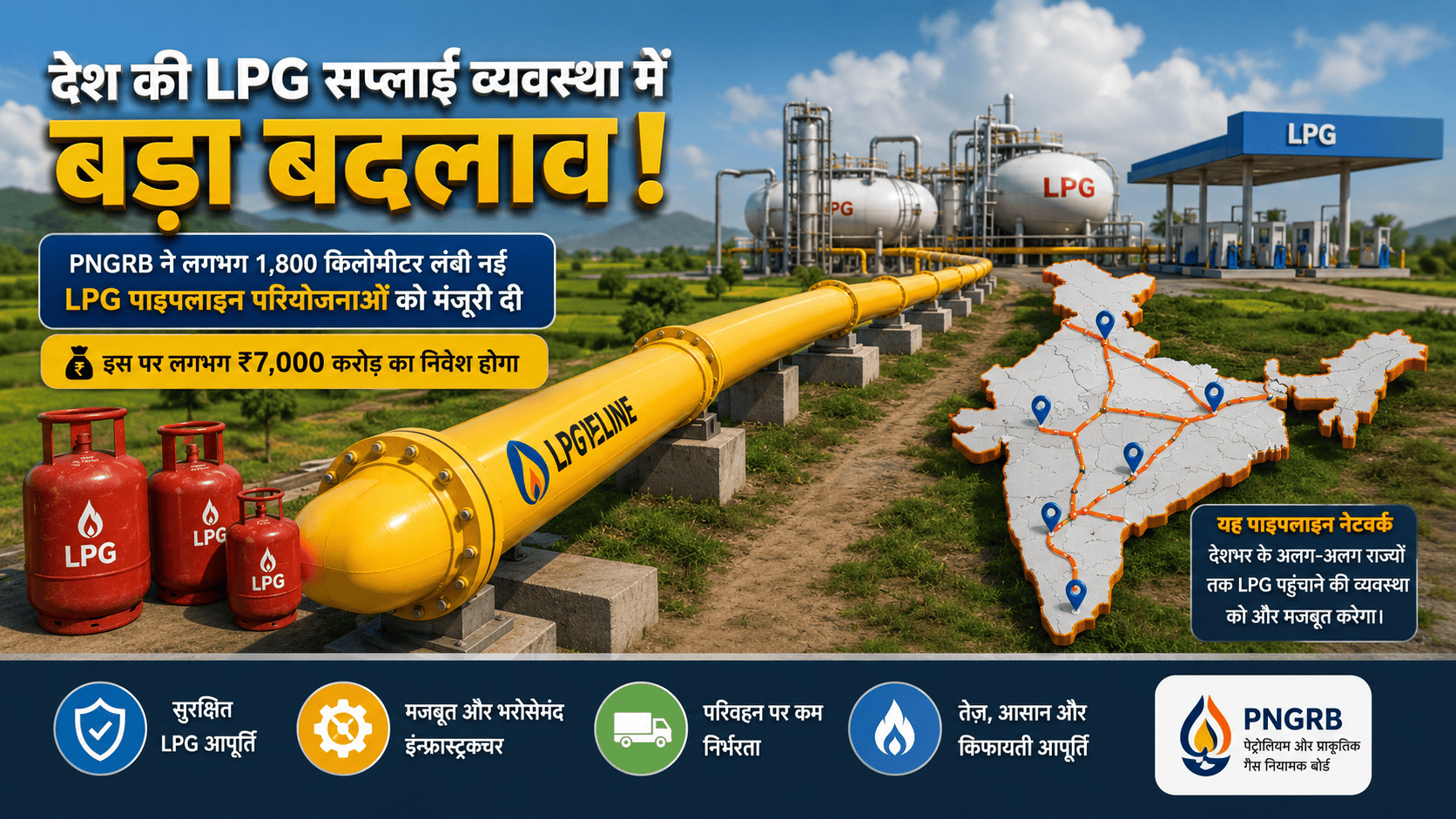
Major Shift in Country LPG Supply: ₹7,000 Crore Investment to Transform India’s LPG Pipeline Network
India’s energy infrastructure is set to witness a major shift in country LPG supply as the Petroleum and Natural Gas Regulatory Board (PNGRB) has approved new LPG pipeline projects covering approximately 1,800 kilometres. The projects involve an estimated investment of around ₹7,000 crore and are expected to strengthen the transportation network used to move liquefied petroleum gas (LPG) across different parts of the country.
The proposed pipeline expansion comes at an important time when LPG has become an essential part of household and commercial energy consumption. Millions of families depend on LPG for cooking, while industries, hotels, restaurants and other businesses also rely heavily on the fuel. A stronger transportation network can therefore play an important role in ensuring that LPG reaches different markets more efficiently.
What Does the New LPG Pipeline Expansion Mean?
The approval of approximately 1,800 kilometres of new LPG pipelines represents a significant infrastructure development. It could mark a major shift in country LPG supply by expanding the existing system used for transporting LPG from supply points to various consumption centres.
At present, LPG transportation involves a combination of pipelines, road tankers and other logistical arrangements. Expanding pipeline infrastructure can provide an additional and potentially more efficient method of moving large quantities of LPG over long distances.
The estimated ₹7,000 crore investment also highlights the scale of the planned infrastructure development. Such investment can support the creation of new transportation corridors and improve connectivity between important LPG supply and demand centres.
Why LPG Pipelines Are Important
LPG is consumed across urban as well as rural areas, making reliable transportation a critical component of the country’s energy system. A major shift in country LPG supply through expanded pipeline infrastructure could help strengthen the overall distribution chain.
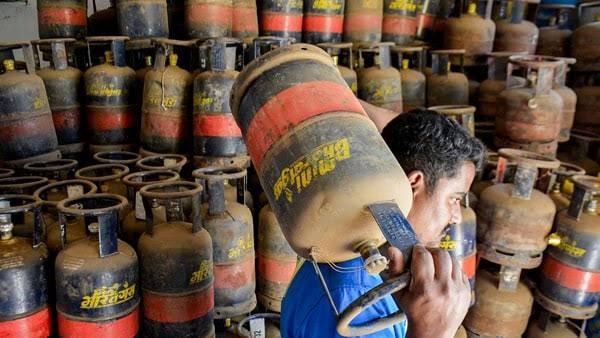
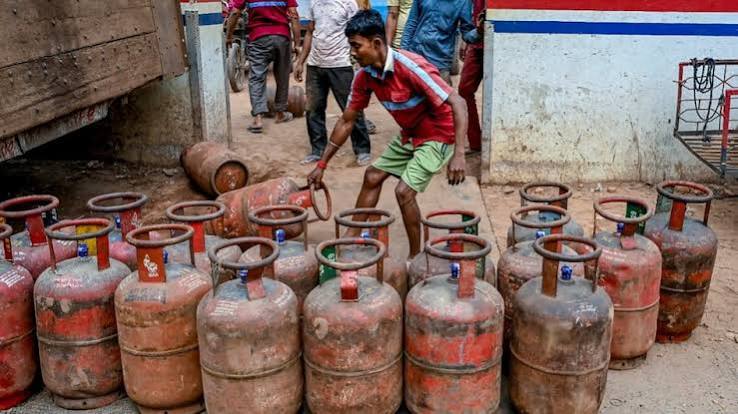
Pipelines are designed for continuous transportation and can move large quantities of fuel between connected facilities. Compared with relying entirely on road-based transportation, pipeline networks can provide an alternative route for moving LPG over long distances.
A well-connected pipeline system can also contribute to better coordination between storage facilities, terminals and distribution networks. As LPG demand continues to evolve, infrastructure must also develop to support the changing requirements of consumers.
₹7000 Crore Investment A Major Infrastructure Push
The estimated investment of around ₹7,000 crore makes the project particularly important for India’s energy infrastructure. This financial commitment indicates the scale of development being planned in the LPG transportation sector.
The investment associated with this major shift in country LPG supply can support the construction and development of approximately 1,800 kilometres of pipeline infrastructure. Such projects generally involve multiple stages, including planning, engineering, construction and integration with existing energy infrastructure.
The development could also generate opportunities for companies and workers involved in engineering, construction, pipeline maintenance, logistics and related services.
Strengthening LPG Transportation Across States
One of the most important objectives of expanding pipeline infrastructure is improving connectivity between different regions. The approved projects are expected to strengthen the system for transporting LPG to various states across the country.
This major shift in country LPG supply could make the national LPG transportation network more interconnected. Better connectivity can be particularly important for regions where transportation distances are long or where demand is increasing.
An expanded pipeline network can also provide additional flexibility to the overall supply system. When multiple transportation routes and supply connections are available, the energy distribution system can potentially respond more effectively to changing requirements.
Potential Benefits for Consumers
For ordinary consumers, the most important question is how infrastructure development could affect LPG availability. While pipeline projects are primarily infrastructure investments, their long-term objective is to create a stronger supply chain.
The major shift in country LPG supply could help improve the movement of LPG toward distribution centres and markets. A more robust transportation network may support smoother supply operations as demand changes across different regions.
However, the direct impact on retail LPG prices cannot be determined solely from the announcement of pipeline projects. LPG prices are influenced by several factors, including international energy prices, taxes, government policies, transportation costs and other market conditions.
Therefore, the primary significance of these projects lies in strengthening transportation infrastructure rather than guaranteeing an immediate change in consumer prices.
Supporting India’s Growing Energy Requirements
India’s population, urbanisation and economic activity create continuous demand for reliable energy infrastructure. LPG remains an important fuel for households and commercial establishments, making efficient transportation an important part of national energy planning.
The planned projects could represent a major shift in country LPG supply by adding substantial new pipeline capacity to the existing network. Approximately 1,800 kilometres of new pipelines would represent a considerable expansion in physical connectivity.
As India’s energy requirements continue to change, infrastructure projects such as these can help create a foundation for future demand. A stronger LPG transportation system can also improve the country’s ability to connect supply infrastructure with areas experiencing growing consumption.
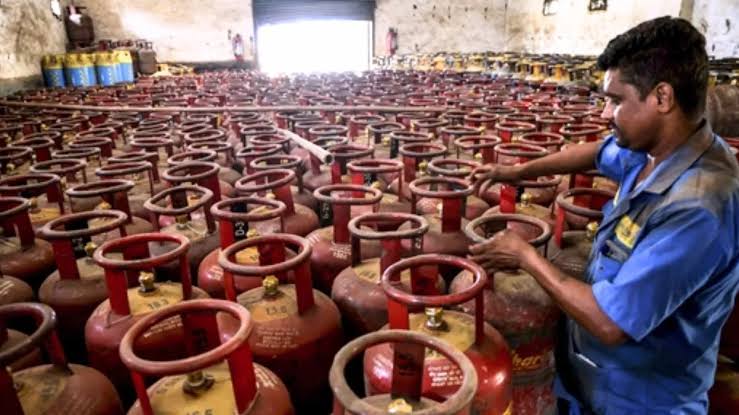
Improving the Overall Supply Chain
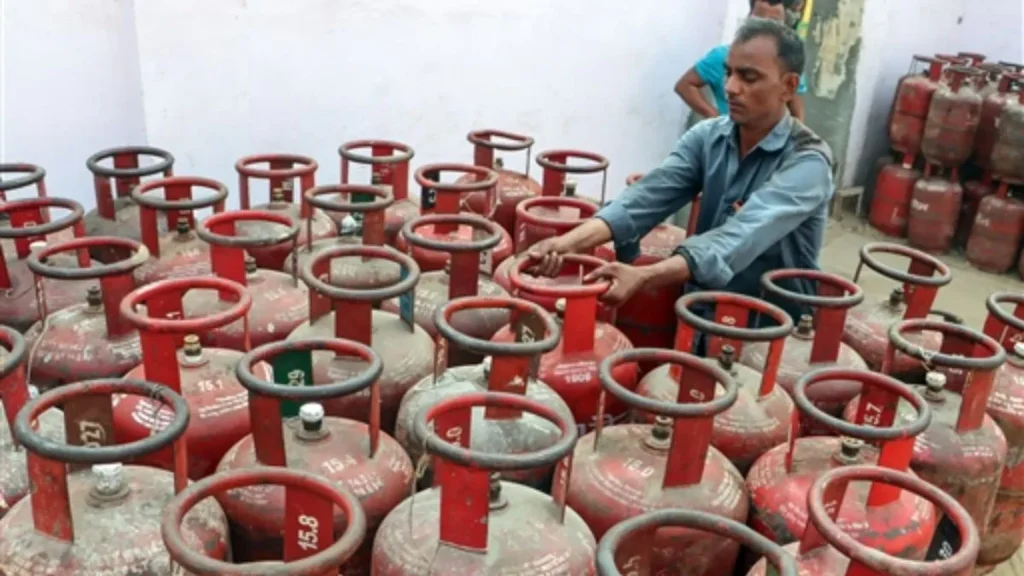
An LPG supply chain involves multiple stages, including sourcing, processing, storage, transportation and distribution. The transportation stage connects major supply points with regional markets and distribution centres.
The major shift in country LPG supply associated with these projects is therefore not simply about laying pipelines. It is about developing a more integrated transportation system that can support the movement of LPG across larger distances.
Pipeline infrastructure can complement existing transportation methods rather than necessarily replacing them completely. Road transportation will continue to play an important role in reaching locations that are not directly connected to pipelines.
Long-Term Significance for India
The approval of these projects could have significance beyond the immediate construction phase. Energy infrastructure typically has a long operational life, meaning that today’s investments can support future demand for many years.
This major shift in country LPG supply could contribute to the long-term development of India’s energy transportation network. As new areas become connected, the overall system may gain greater capacity and flexibility.
The projects also demonstrate the importance of regulatory planning in expanding energy infrastructure. PNGRB’s role in approving and regulating pipeline development is significant because coordinated infrastructure planning can help ensure that different parts of the energy network develop in a systematic manner.
What to Expect Next
The next stages will involve implementation, construction and integration of the approved projects. The actual impact of the new pipelines will become clearer as individual projects progress and eventually become operational.
For the LPG sector, this major shift in country LPG supply could become an important development in strengthening transportation capacity. The approximately ₹7,000 crore investment and 1,800-kilometre pipeline expansion demonstrate the scale of the infrastructure push.
As these projects move forward, consumers, businesses and industry stakeholders will be watching their progress closely.
Conclusion
The approval of new LPG pipeline projects covering approximately 1,800 kilometres represents a major development for India’s energy infrastructure. With an estimated investment of around ₹7,000 crore, the initiative has the potential to strengthen LPG transportation between supply centres and markets across various states.
Ultimately, this major shift in country LPG supply reflects the growing need for modern, reliable and interconnected energy infrastructure. By expanding pipeline connectivity, India can work toward creating a more robust LPG transportation system capable of supporting present and future demand.
The major shift in country LPG supply is expected to strengthen the country’s LPG logistics framework, while the major shift in country LPG supply could improve connectivity between important supply and consumption centres.
As implementation progresses, the major shift in country LPG supply will remain an important development to watch within India’s energy sector.
Read more latest news

