
The Census Will Begin Today: 2027 Census Enters Crucial Phase With Self-Enumeration in Mountain Regions
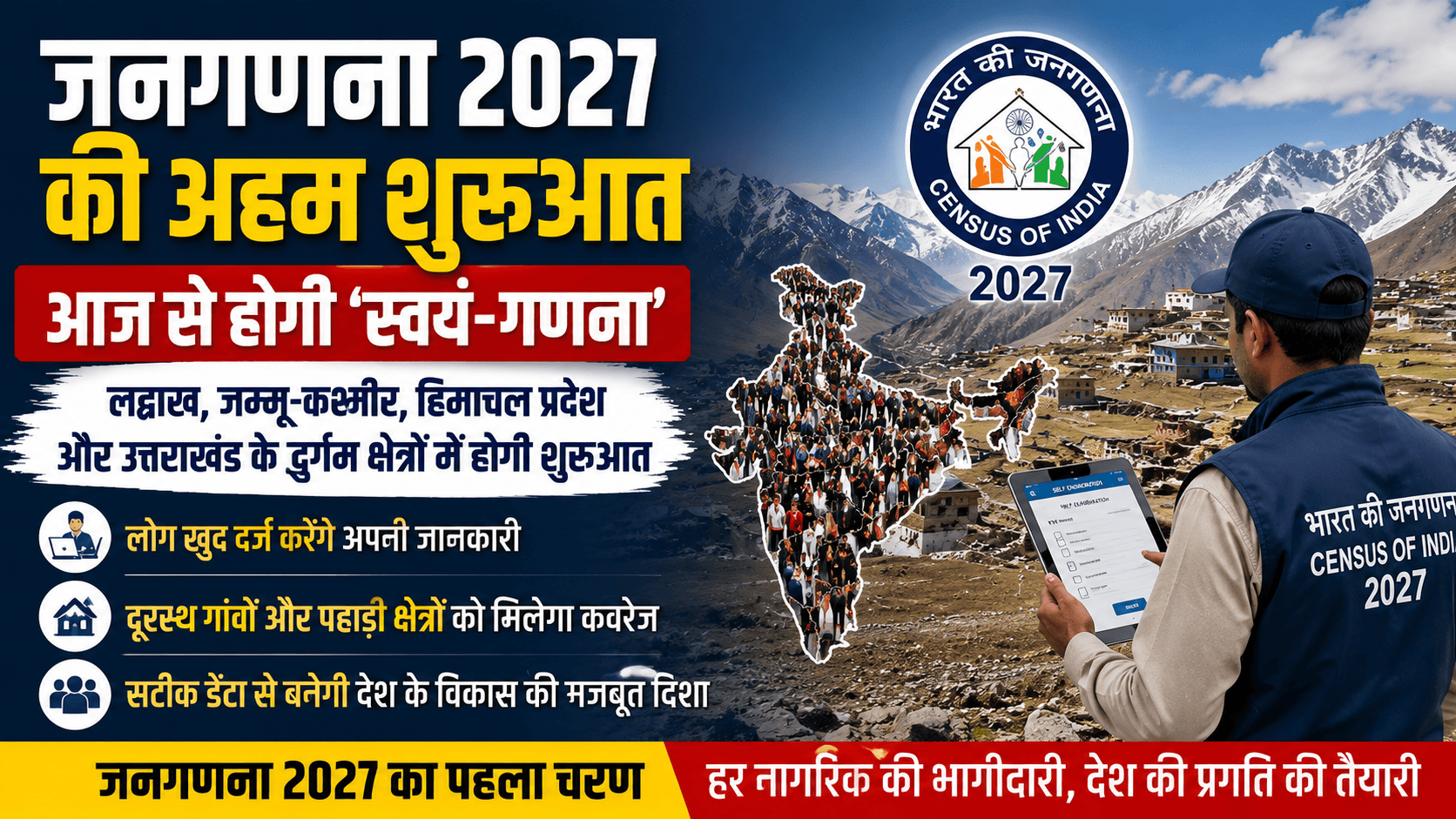
India is entering an important phase of its upcoming 2027 Census. The census will begin today with the launch of the self-enumeration process in the Union Territory of Ladakh and snow-bound areas of Jammu & Kashmir, Himachal Pradesh and Uttarakhand. This phase is particularly significant because it will cover remote villages, mountain communities and locations where difficult geographical conditions make conventional enumeration challenging.
The census will begin today with citizens getting an opportunity to record their own demographic and household information through the self-enumeration mechanism. The initiative is expected to make the census process more convenient for people living in difficult-to-reach regions while also helping authorities collect information in an organized manner.
What Is Self-Enumeration?
Self-enumeration is a process through which individuals and households provide their own required information instead of waiting for an enumerator to visit their homes. It is an important component of the modern census process and is intended to make data collection more efficient.
As the census will begin today, residents in the selected regions will be able to participate in the process by providing details related to their household and other prescribed census information.
The introduction of self-enumeration is especially relevant for India’s mountainous areas. Harsh weather, heavy snowfall, difficult roads and scattered settlements can make door-to-door surveys extremely challenging. Allowing residents to submit their information themselves can help reduce some of these logistical difficulties.
Why Ladakh and Snow-Bound Areas Are Important
The first phase has been designed to focus on areas where geographical and climatic conditions can create significant challenges for census officials. Ladakh, parts of Jammu & Kashmir, Himachal Pradesh and Uttarakhand include several high-altitude and remote settlements.
The census will begin today in these areas because the administration needs to account for seasonal conditions while planning the larger enumeration exercise. In mountain regions, accessibility can change dramatically because of snowfall, landslides and road closures.
Starting the process in advance gives authorities additional time to collect and verify information before the main stages of the census progress.
Census and India’s Population Data
A census is one of the most important exercises undertaken by a country because it provides detailed information about its population and households. Government agencies use census data for planning public services, infrastructure, welfare programmes and development policies.
When the census will begin today, the process will therefore be more than a simple counting exercise. It will contribute to the creation of a comprehensive database about India’s population and living conditions.
Accurate population data can help governments understand where schools, hospitals, roads, housing facilities and other public services may be required. It can also help policymakers understand demographic trends across different regions.
Technology and the Modern Census
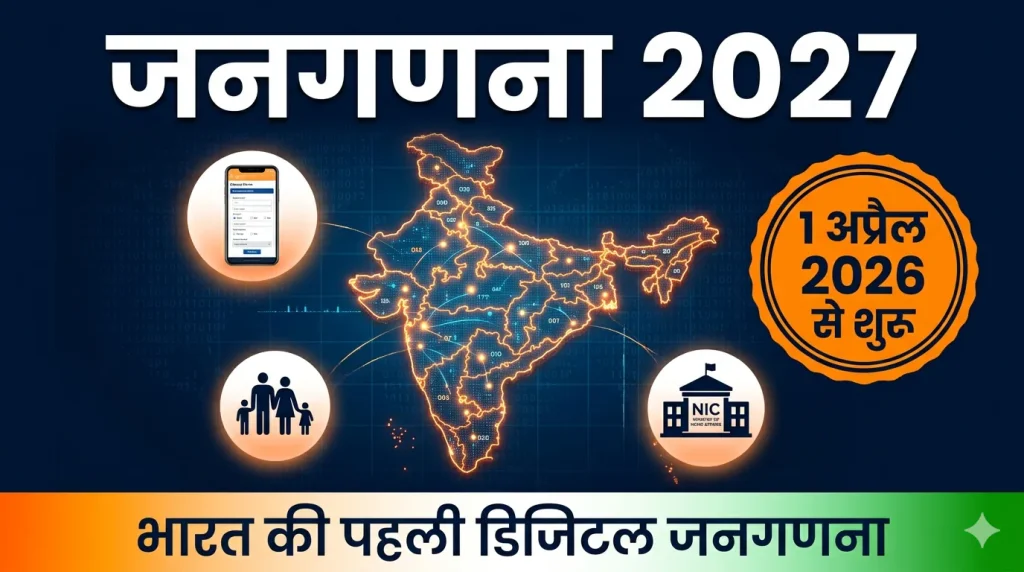
The self-enumeration component reflects the growing role of technology in India’s administrative processes. Digital methods can make it easier for citizens to provide information and may reduce the burden on field-level personnel.
As the census will begin today, the use of self-enumeration is expected to provide valuable experience for subsequent phases. Authorities can assess participation levels, identify technical challenges and improve the process wherever necessary.
The success of this approach will depend partly on public awareness. Residents need to understand how the system works, what information is required and why providing accurate information is important.
Special Challenges in Mountain Communities
Conducting a census in mountainous regions is different from conducting one in densely populated urban areas. Villages can be spread across large distances, roads may be limited and weather conditions can change rapidly.
For census officials, reaching every household can require significant time and resources. In some locations, residents may also have seasonal patterns of migration or occupation that need to be properly reflected in the data.
The census will begin today in these challenging regions with the objective of ensuring that communities living in remote areas are properly represented in the national population database.
This is particularly important because geographical isolation should not result in gaps in official population data.
Importance of Public Participation
The success of self-enumeration depends heavily on participation by citizens. People must provide their information accurately and within the prescribed process.
The census will begin today, making public awareness a critical factor in the success of the first phase. Government agencies and local administrations are expected to support residents by providing information about the process and addressing questions they may have.
Citizens should also ensure that the information they submit is correct. Accurate data helps reduce errors and improves the overall reliability of census results.
Benefits for Government Planning
Reliable census data plays a major role in policy planning. Governments need accurate information about population size, household structures and demographic characteristics to design effective programmes.
Once the census will begin today, the information collected during the broader exercise can eventually support decisions related to healthcare, education, employment, transport and social welfare.
For remote regions, census data can be particularly valuable because it provides policymakers with a clearer understanding of the needs of communities that may otherwise receive less attention due to their geographical isolation.
A Major National Exercise
India’s census is a massive administrative exercise involving millions of households and a large workforce. The process requires extensive planning, coordination and verification.
The decision to start the self-enumeration phase in difficult terrain demonstrates the importance attached to ensuring comprehensive coverage.
With the census will begin today, India is moving into a new stage of preparations for the 2027 Census. The initial focus on Ladakh and snow-bound regions provides authorities with an opportunity to address the special requirements of these communities before the exercise expands further.
What Residents Should Keep in Mind
Residents participating in self-enumeration should carefully read the instructions provided by the authorities and submit information accurately. They should avoid providing incorrect or incomplete details and should follow the official process for submitting their information.
The census will begin today, and the participation of residents will be central to making this initial phase successful.
Public cooperation can also help reduce the workload associated with traditional household visits and allow census officials to concentrate their efforts on verification and areas where additional assistance may be necessary.
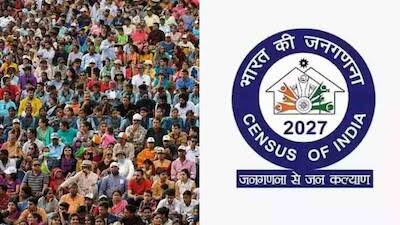
Looking Ahead to the 2027 Census
The first phase of self-enumeration is an important step toward the larger 2027 Census. Its implementation in Ladakh and the snow-bound areas of Jammu & Kashmir, Himachal Pradesh and Uttarakhand will be closely watched because these regions present unique logistical challenges.
If the process works effectively, it could demonstrate how technology and citizen participation can complement traditional census methods.
The census will begin today, but the broader exercise represents a much longer process involving data collection, verification, compilation and analysis.
The importance of the census extends beyond population figures. It provides a foundation for understanding India’s changing demographic structure and helps governments plan for the country’s future needs.
Conclusion
The launch of self-enumeration in Ladakh and other snow-bound regions marks a significant milestone in preparations for India’s 2027 Census. The census will begin today in some of the country’s most geographically challenging areas, highlighting the government’s effort to ensure that remote communities are included in the national data-gathering exercise.
From mountain villages to high-altitude settlements, accurate participation will be essential for creating reliable population data. The initiative also represents an increasing use of digital and citizen-led methods in large-scale government exercises.
Ultimately, the census will begin today with a focus on ensuring that difficult terrain does not prevent any community from being counted. The information gathered through the process can become an important foundation for future planning, development and public policy across India.
Read more latest news

