
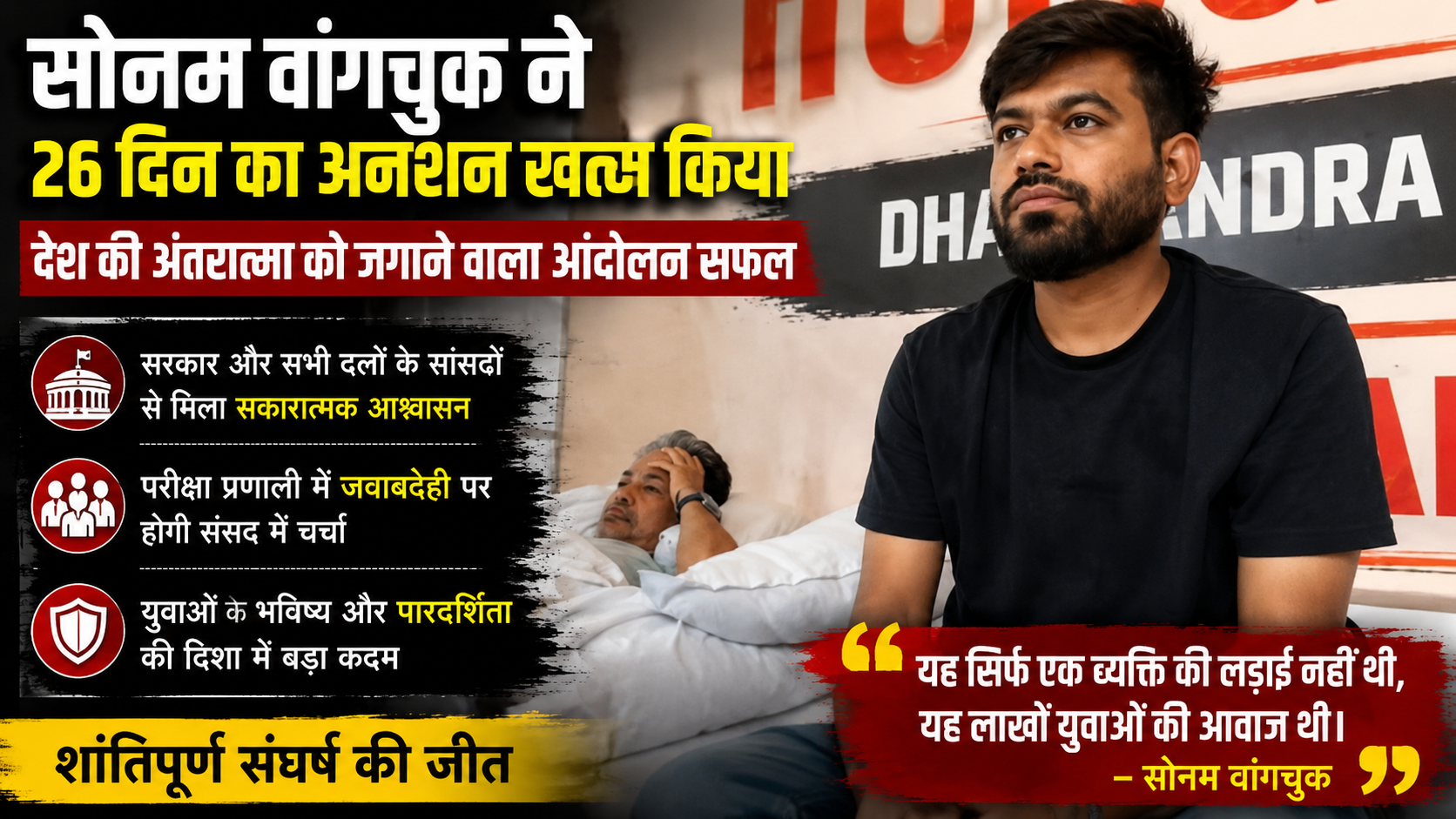
Social Activist Sonam Wangchuk Ends 26-Day Hunger Strike: Abhijit Deepke Expressed Relief and Called It a Victory for Public Consciousness
Abhijit Deepke expressed relief
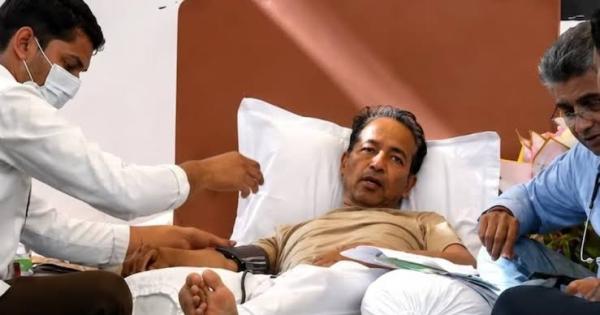
Social activist Sonam Wangchuk has officially ended his 26-day hunger strike, bringing an important chapter of public activism to a close. The development has generated widespread reactions from citizens, students, activists, and public figures across the country. Among the most notable responses came from Abhijit Deepke, who shared a video expressing happiness over Wangchuk’s decision to conclude the fast. Abhijit Deepke expressed relief, saying that the movement had awakened the conscience of the entire nation and demonstrated the power of peaceful democratic protest.
The conclusion of the hunger strike has shifted the focus from the protest itself to the larger issues it sought to highlight, including transparency, accountability, and reforms in the examination system. Supporters believe that the movement has already succeeded in bringing these concerns to the forefront of national discussion.
Sonam Wangchuk Ends His 26 Day Hunger Strike
Sonam Wangchuk’s hunger strike attracted nationwide attention because of its peaceful yet determined nature. For nearly a month, he continued his fast while appealing for meaningful reforms and greater accountability in matters affecting students and the education system.
After receiving assurances from the central government and Members of Parliament from different political parties that the concerns would be discussed in Parliament, Wangchuk announced the end of his fast. The decision was welcomed by thousands of supporters who had been praying for his health and hoping that constructive dialogue would replace prolonged protest.
Following this announcement, Abhijit Deepke expressed relief, stating that the end of the fast was encouraging because the movement had already fulfilled its objective of drawing national attention to critical issues.
Abhijit Deepke Praises Wangchuk’s Courage
Soon after the announcement, Abhijit Deepke released a video message congratulating Sonam Wangchuk and everyone associated with the movement.
In his message, Abhijit Deepke expressed relief and described Wangchuk’s determination as an example of selfless leadership. He noted that very few individuals are willing to sacrifice their personal comfort and health for the welfare of society.
According to Deepke, Wangchuk’s commitment demonstrated that peaceful democratic movements still possess the ability to influence public discourse and encourage policymakers to take notice of important concerns.
“The Nation’s Conscience Has Been Awakened”
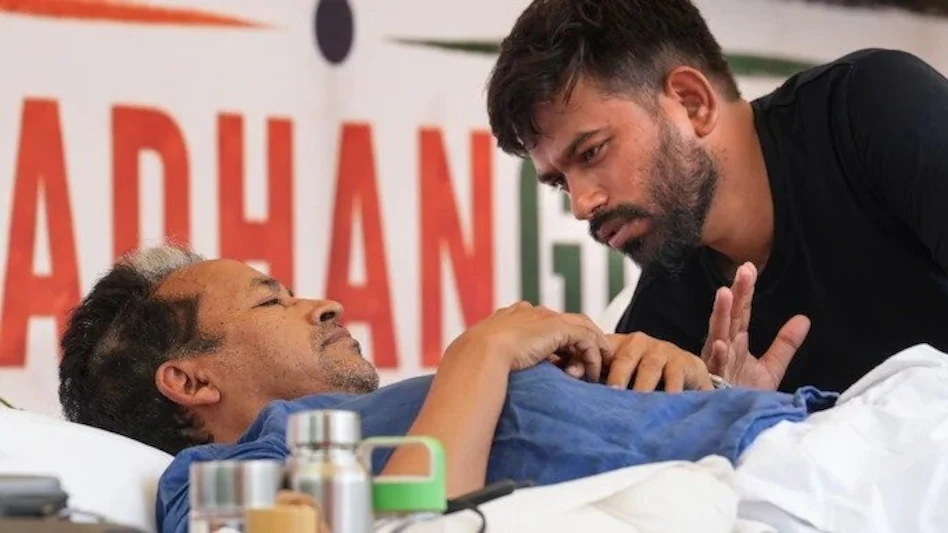
One of the strongest remarks made by Deepke was that Wangchuk’s hunger strike had “shaken the conscience of the entire nation.”
During the video, Abhijit Deepke expressed relief because the movement succeeded in making people discuss issues that directly affect students and their future.
He emphasized that the hunger strike was never merely about one individual but represented the aspirations of countless young people who expect fairness and transparency in the country’s examination system.
A Movement Beyond Politics
Many observers believe the hunger strike remained above partisan politics.
Similarly, Abhijit Deepke expressed relief that leaders from different political parties responded positively to Wangchuk’s appeal.
He argued that education and examination reforms should never become political issues because they concern the future of every student regardless of background or ideology.
Public Support Grew Every Day
Throughout the 26-day fast, support for Wangchuk expanded steadily.
Citizens from different states expressed solidarity through social media campaigns, peaceful gatherings, and public discussions.
Watching this growing support, Abhijit Deepke expressed relief because it showed that people remain deeply concerned about transparency, accountability, and educational reforms.
Many educational institutions, teachers, and students also discussed the movement, highlighting the importance of protecting the integrity of competitive examinations.
Health Concerns During the Fast
Doctors and supporters repeatedly expressed concern regarding Wangchuk’s health as the hunger strike continued.
Medical experts warned about the physical risks associated with prolonged fasting.
After the announcement that the fast had concluded, Abhijit Deepke expressed relief, saying that the decision came at the right time because Wangchuk’s health remained a priority for everyone who supported the movement.
Assurance from the Government
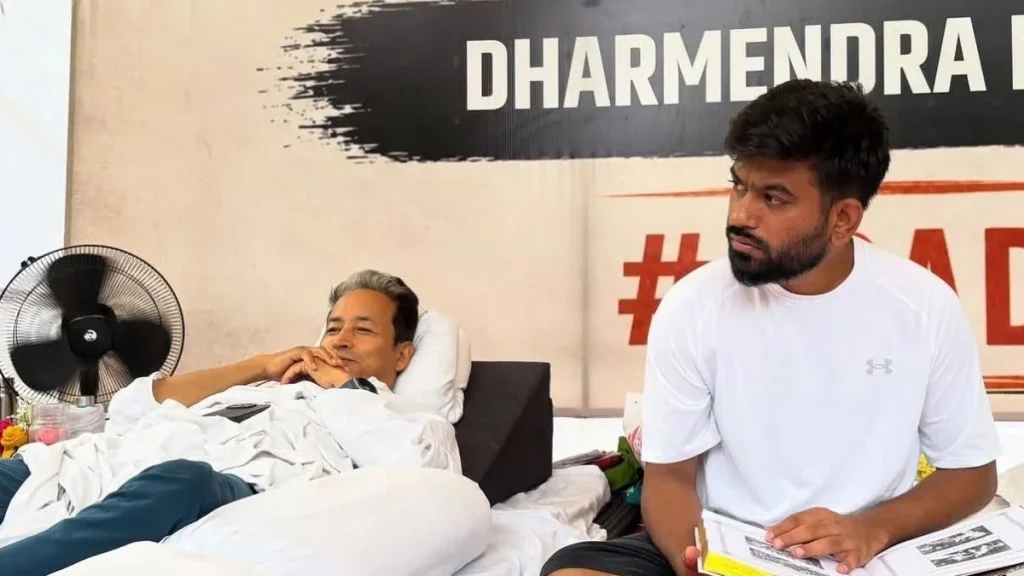
One of the primary reasons for ending the fast was the assurance received from the central government and Members of Parliament.
The assurance reportedly included discussions on accountability in the examination system during Parliament proceedings.
Responding to this development, Abhijit Deepke expressed relief and hoped that these commitments would now translate into meaningful policy reforms.
Importance of Parliamentary Discussion
Parliament represents the country’s highest democratic institution for debating national issues.
Supporters believe that taking the matter to Parliament ensures wider participation from elected representatives.
Because of this development, Abhijit Deepke expressed relief, stating that democratic dialogue is always preferable to prolonged confrontation.
Why Examination Reforms Matter
The movement highlighted concerns regarding examination transparency, paper leak allegations, accountability, and institutional responsibility.
Education experts believe reforms should focus on:
- Better digital security
- Independent investigations
- Stronger anti-cheating measures
- Faster legal action
- Improved grievance redressal
Discussing these possibilities, Abhijit Deepke expressed relief that public attention has now shifted toward finding practical solutions.
Peaceful Protest Strengthens Democracy
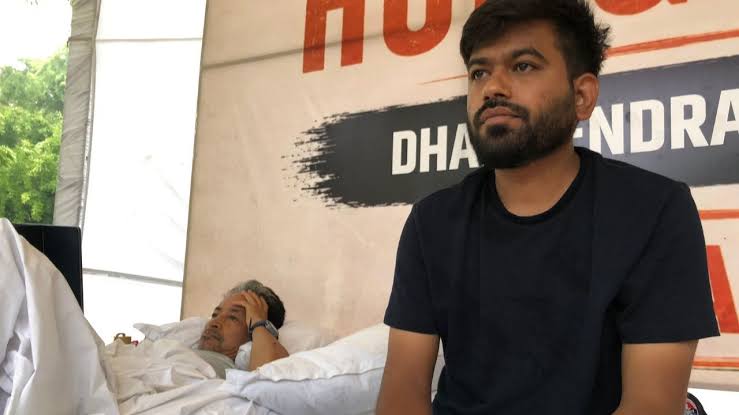
History has shown that peaceful protests often bring significant social reforms.
Sonam Wangchuk consistently emphasized non-violence and constitutional methods throughout his campaign.
Reflecting on this approach, Abhijit Deepke expressed relief because the movement remained peaceful despite attracting nationwide attention.
Students Welcome the Decision
Many students appreciated Wangchuk’s decision to conclude the fast.
While they admired his determination, they were equally worried about his health.
Following the announcement, Abhijit Deepke expressed relief, saying students should now remain engaged in constructive discussions and continue advocating for educational reforms through democratic means.
Social Media Reaction
The announcement quickly became one of the most discussed topics online.
Thousands of users thanked Wangchuk for his sacrifice and wished him a speedy recovery.
Reading these responses, Abhijit Deepke expressed relief, noting that citizens across the country had united around an issue affecting the nation’s youth.
Civil Society Appreciates the Movement
Several education experts, social organizations, and activists appreciated Wangchuk’s peaceful campaign.
Many argued that sustained public awareness can encourage stronger institutional accountability.
Commenting on this response, Abhijit Deepke expressed relief that the movement inspired people to discuss long-term educational reforms rather than short-term political debates.
Hope for Lasting Change
The conclusion of the hunger strike is viewed as the beginning of another phase.
Attention now turns toward Parliament, policymakers, and administrative institutions.
Expressing optimism, Abhijit Deepke expressed relief that the movement had successfully shifted the conversation toward reform instead of conflict.
Looking Ahead
Experts believe several reforms could emerge if Parliament seriously considers the issues raised during the protest.
Possible measures include:
- Stronger examination security
- Better technology monitoring
- Transparent recruitment processes
- Independent oversight mechanisms
- Faster investigation of examination irregularities
Following these discussions, Abhijit Deepke expressed relief and said that meaningful implementation would be the true success of the movement.
Conclusion
The end of Sonam Wangchuk’s 26-day hunger strike marks an important milestone in India’s ongoing discussion about educational reforms and examination accountability. His peaceful protest attracted nationwide attention and encouraged dialogue among citizens, students, policymakers, and political leaders.
Throughout the public response, Abhijit Deepke expressed relief and praised Wangchuk’s courage, sacrifice, and unwavering commitment to democratic values. According to Deepke, the hunger strike succeeded in awakening the conscience of the nation and reminding everyone that peaceful public participation remains an essential pillar of democracy.
The coming weeks will determine whether the assurances made by the government and Members of Parliament result in concrete reforms. Regardless of the final policy outcome, Wangchuk’s movement has already demonstrated how peaceful civic engagement can influence national conversations and encourage institutions to address issues of public importance.
Read more latest news

