
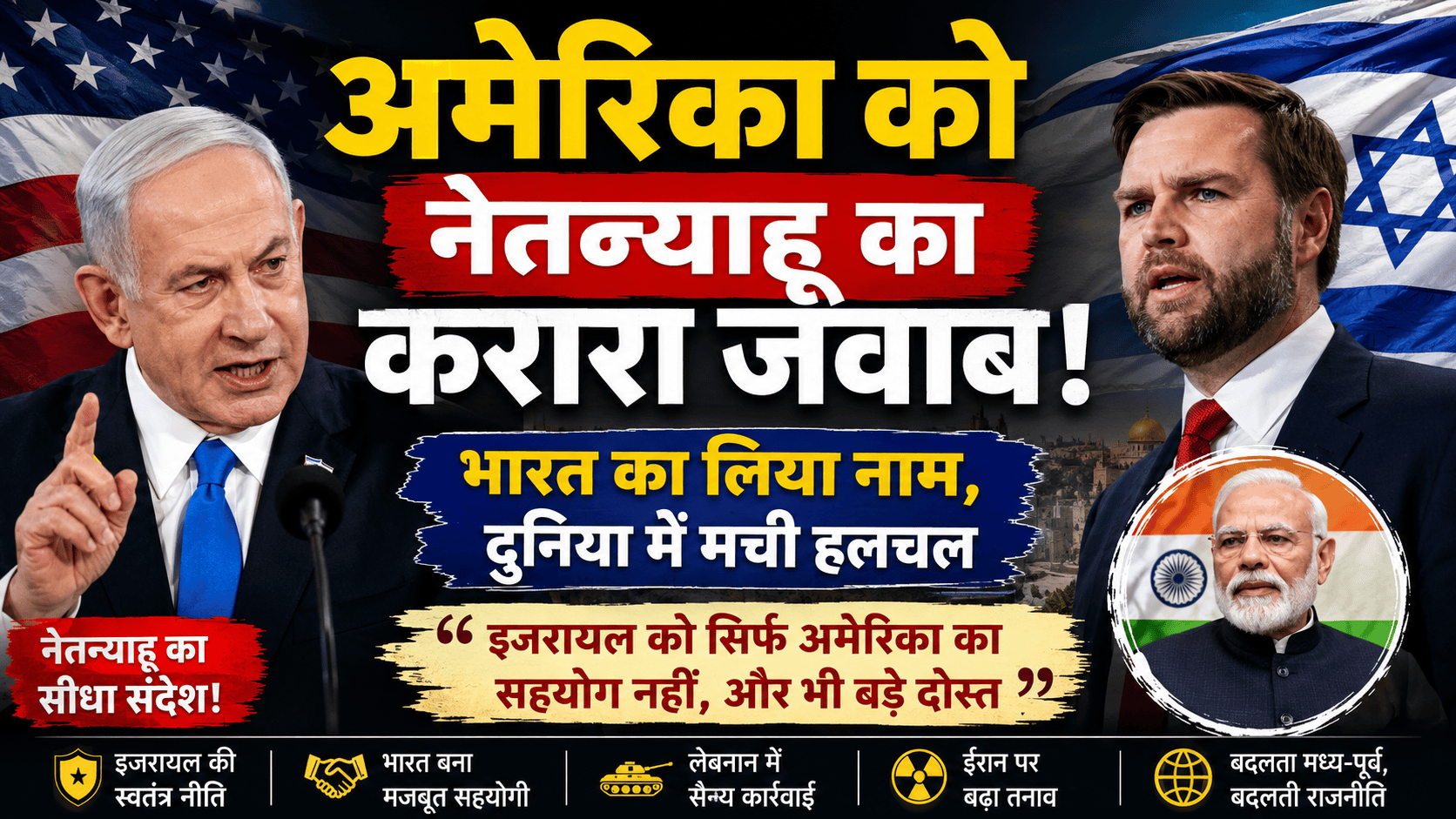
Netanyahu blunt message to the US: Why Benjamin Netanyahu’s Remark About India Signals a Shift in Israel’s Global Strategy
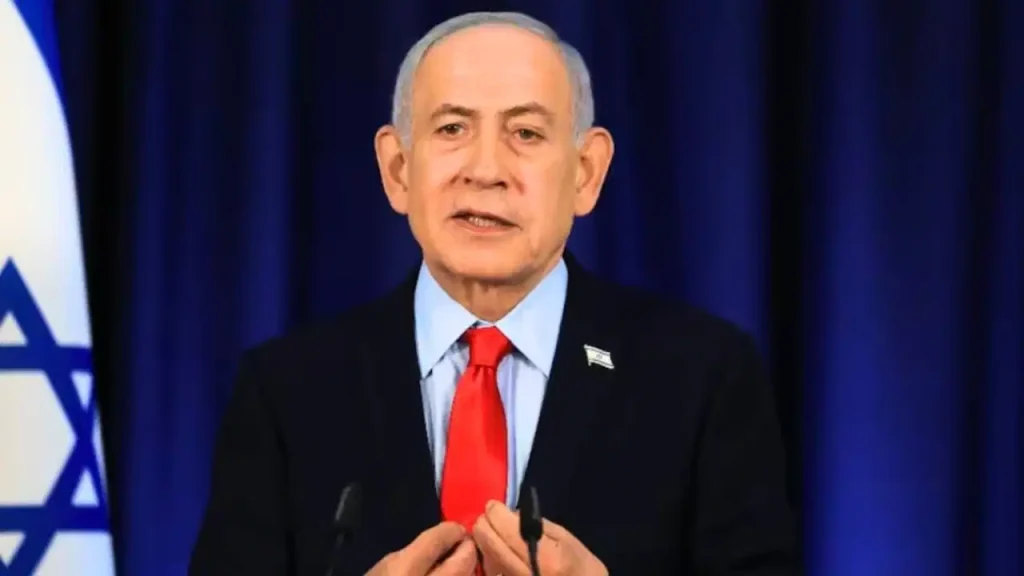
Netanyahu blunt message to the US has become one of the most discussed diplomatic developments after Netanyahu publicly rejected the claim that the United States is Israel’s only powerful ally. Speaking during an interview with Fox News, Netanyahu emphasized that while the United States remains Israel’s closest strategic partner, Israel also relies on strong relationships with other nations, including India.
The geopolitical landscape of the Middle East continues to evolve rapidly, and recent comments by Israeli Prime Minister Benjamin Netanyahu have sparked significant international attention.
The statement comes at a sensitive time, as tensions have reportedly increased between Washington and Jerusalem over Israel’s military operations in Lebanon and ongoing diplomatic efforts involving Iran. By mentioning India specifically, Netanyahu highlighted Israel’s broader foreign policy approach and underlined the country’s efforts to diversify its strategic partnerships.
This development has generated widespread debate among political analysts, diplomats, and international observers. Many believe Netanyahu blunt message to the US reflects not only a response to American political rhetoric but also a broader shift in Israel’s diplomatic priorities.
Netanyahu Rejects the Only Ally Narrative
During his interview with Fox News, Israeli Prime Minister Benjamin Netanyahu responded directly to comments made by US Vice President JD Vance, who reportedly suggested that the United States remains Israel’s only significant and powerful ally.
Rejecting that characterization, Netanyahu stated that Israel values its relationship with Washington but also enjoys strong support from several other countries around the world. He specifically mentioned India as one of Israel’s trusted partners.
This Netanyahu blunt message to the US was interpreted by many experts as an assertion of Israel’s growing diplomatic independence.
According to Netanyahu, Israel has spent decades building strategic partnerships across Asia, Europe, and other regions, ensuring that its security and economic interests are supported by a diverse network of allies.
Why India Was Specifically Mentioned
One of the most striking aspects of Netanyahu blunt message to the US was the explicit mention of India.
India and Israel have significantly strengthened bilateral relations over the past decade. Cooperation now extends far beyond diplomacy and includes defense technology, intelligence sharing, cybersecurity, agriculture, water management, artificial intelligence, and innovation.
India has become one of Israel’s most important defense partners, purchasing advanced military equipment while collaborating on research and development projects.
By highlighting India, Netanyahu acknowledged the growing strategic importance of New Delhi in Israel’s foreign policy.
The partnership between the two nations is based on mutual security concerns, technological cooperation, and expanding economic ties.

Rising US-Israel Differences
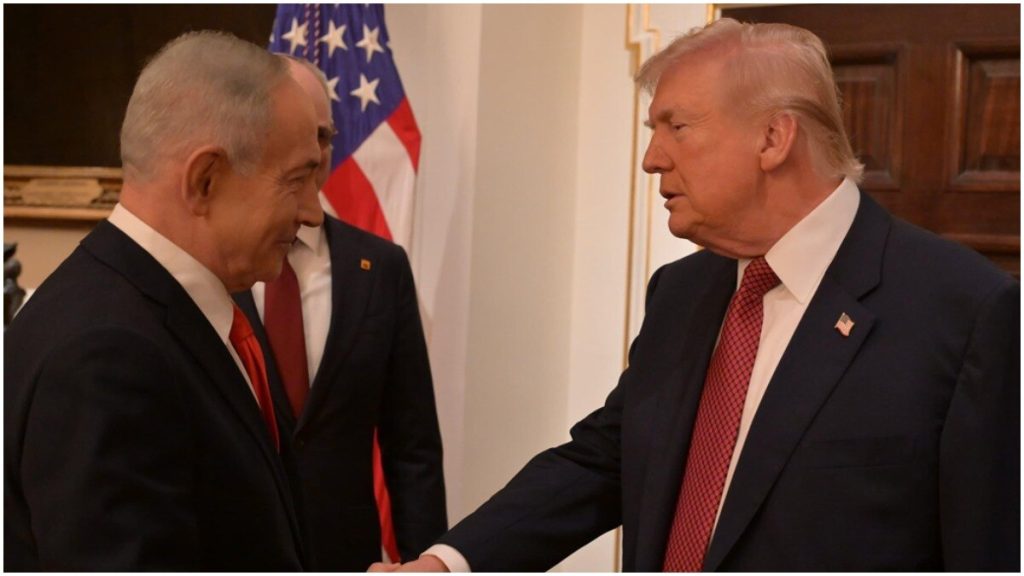
Although the United States remains Israel’s largest military and diplomatic supporter, recent months have witnessed visible policy differences.
Washington has reportedly expressed concerns over Israel’s military operations in Lebanon, fearing that prolonged conflict could destabilize the wider Middle East.
At the same time, the US has continued diplomatic efforts aimed at reducing regional tensions, including negotiations involving Iran.
Against this backdrop, Netanyahu blunt message to the US appears to send a clear signal that Israel intends to make sovereign decisions regarding its national security, even when disagreements arise with its closest ally.
Lebanon Operations and International Pressure
Israel’s military campaign in Lebanon has drawn international scrutiny.
Several governments have called for restraint, warning that an expanded conflict could trigger broader regional instability.
The United States has reportedly encouraged de-escalation while maintaining support for Israel’s right to defend itself.
However, Israeli leadership argues that security threats from armed groups operating near its northern border require decisive military action.
This context makes Netanyahu blunt message to the US especially significant, as it emphasizes Israel’s willingness to pursue policies it considers essential for national defense.
Iran Remains a Major Point of Disagreement
Another important factor behind Netanyahu blunt message to the US is the ongoing debate over Iran.
Washington has continued exploring diplomatic solutions regarding Iran’s nuclear program and regional influence.
Israel, however, has consistently argued that Iran poses one of the greatest security threats in the Middle East.
Prime Minister Netanyahu has repeatedly warned against agreements that, in Israel’s view, could allow Iran to strengthen its strategic capabilities.
His latest comments reinforce the idea that Israel will continue pursuing an independent security strategy regardless of international diplomatic initiatives.
Israel’s Expanding Global Partnerships
Over the past several years, Israel has actively expanded its diplomatic and strategic relationships beyond traditional Western allies.
Countries across Asia, the Middle East, Africa, and Europe have deepened cooperation with Israel in various sectors.
Netanyahu blunt message to the US reflects this broader foreign policy direction.
Key areas of Israeli international cooperation include:
- Defense and military technology
- Artificial intelligence
- Cybersecurity
- Agriculture and food security
- Water conservation
- Renewable energy
- Medical innovation
- Intelligence cooperation
- Trade and investment
These partnerships reduce overdependence on any single country while strengthening Israel’s global influence.
India-Israel Relations Continue to Grow
India and Israel established full diplomatic relations in 1992.
Since then, bilateral ties have expanded steadily.
High-level visits by leaders from both countries have strengthened mutual trust.
Today, India is among Israel’s leading defense customers and an increasingly important technology partner.
Joint projects span missile defense systems, drones, agricultural innovation, irrigation technologies, homeland security, and startup collaboration.
Netanyahu’s reference to India during his interview highlights how central this relationship has become.
For many analysts, Netanyahu blunt message to the US was also an acknowledgment of India’s growing geopolitical influence on the global stage.
Strategic Autonomy in Israeli Foreign Policy
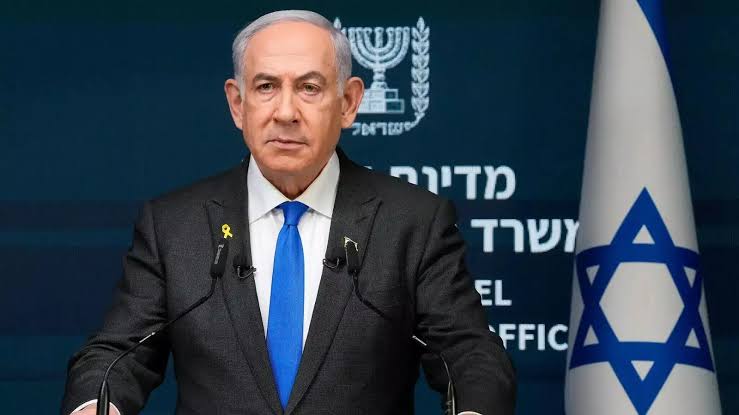
Many international relations experts believe Israel is increasingly pursuing a policy of strategic autonomy.
Rather than relying exclusively on one global power, Israel has sought to diversify its diplomatic, military, and economic partnerships.
This approach allows greater flexibility during periods of international disagreement.
Netanyahu blunt message to the US therefore represents more than a political rebuttal—it symbolizes Israel’s evolving foreign policy philosophy.
Global Reactions
Netanyahu’s remarks have generated mixed reactions internationally.
Some observers view the comments as a practical recognition of changing global realities.
Others believe the statement reflects growing friction between the Biden administration’s successor government and Israeli leadership over regional policy.
Meanwhile, India has not publicly interpreted Netanyahu’s remarks as indicating any shift in its own foreign policy, which continues to emphasize balanced relations with multiple global partners.
What This Means for US-Israel Relations
Despite policy disagreements, few analysts expect the US-Israel strategic alliance to weaken fundamentally.
Military cooperation, intelligence sharing, defense funding, and diplomatic coordination remain deeply institutionalized.
However, Netanyahu blunt message to the US demonstrates that even close allies can openly disagree while maintaining long-term strategic cooperation.
The relationship may increasingly involve candid discussions on regional security, military operations, and diplomatic priorities.
The Bigger Geopolitical Picture
The international system is becoming increasingly multipolar.
Countries are developing broader networks of partnerships rather than relying on a single dominant ally.
Israel’s expanding engagement with India, Gulf nations, European partners, and Asian economies reflects this changing global order.
In this context, Netanyahu blunt message to the US highlights Israel’s intention to maintain strong ties with Washington while simultaneously strengthening relationships with other influential nations.
Conclusion
Netanyahu blunt message to the US has become a defining diplomatic moment because it underscores Israel’s evolving approach to international relations. By rejecting the idea that America is its only powerful ally and publicly acknowledging India’s growing strategic importance, Prime Minister Benjamin Netanyahu sent a message about Israel’s commitment to diversified global partnerships.
While the United States remains Israel’s closest security partner, the statement illustrates that Israel increasingly values a wider circle of trusted allies capable of supporting its diplomatic, economic, and security objectives.
As geopolitical dynamics continue to shift, Netanyahu blunt message to the US may be remembered as an important indicator of how Israel intends to navigate an increasingly complex international environment—through strong traditional alliances, expanding strategic partnerships, and an independent approach to safeguarding its national interests.
read more latest news

