
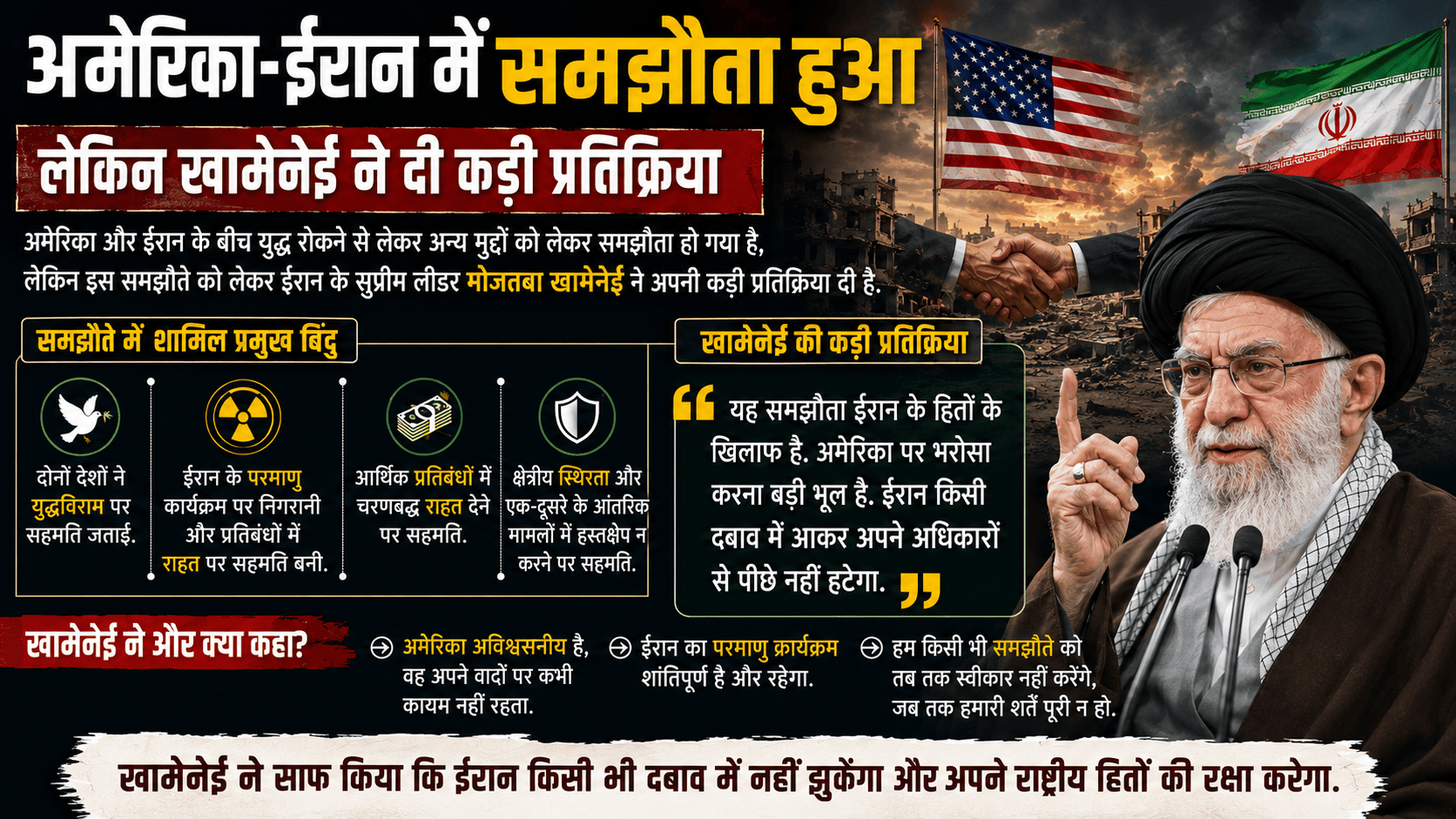
US-Iran Agreement Sparks Debate: Khamenei Warns Against Excessive American Demands
Introduction
A significant diplomatic development has emerged in global politics as an agreement has reportedly been reached between the United States and Iran on multiple issues, including efforts to prevent military conflict and reduce regional tensions. The understanding between the two countries has attracted worldwide attention because relations between Washington and Tehran have remained strained for decades.
The reported memorandum involves the US and Iran covering various issues, ranging from regional security and diplomatic engagement to measures aimed at avoiding direct confrontation. However, despite the announcement of progress, Iran’s Supreme Leader Mojtaba Khamenei has reacted strongly and issued a clear warning regarding the future implementation of the agreement.
Khamenei stated that Iran would not accept any arrangement if the United States attempted to impose excessive demands. His remarks indicate that while progress may have been achieved through negotiations, serious challenges remain before both sides can establish lasting trust.
The development highlights the complexity of relations between the US and Iran covering various issues and demonstrates how difficult it remains to bridge decades of political differences.
A New Chapter in US-Iran Relations
For years, relations between Washington and Tehran have been characterized by sanctions, diplomatic disputes, military tensions, and disagreements over regional influence. Despite these challenges, both countries have periodically engaged in negotiations to prevent conflicts from escalating.
The latest understanding involving the US and Iran covering various issues is being viewed by analysts as an attempt to create a framework for dialogue and crisis management.
Diplomatic observers note that any agreement between the two nations carries enormous significance because tensions between them often affect not only the Middle East but also global energy markets, international security, and geopolitical stability.
The announcement has therefore generated optimism among those who hope that diplomatic engagement can replace confrontation.
What the Agreement Reportedly Includes
Although complete details have not been publicly disclosed, reports suggest that the understanding involves the US and Iran covering various issues connected to regional stability, conflict prevention, security cooperation, and broader diplomatic engagement.
One of the most important objectives appears to be preventing a military confrontation between the two countries. Over the past several years, both sides have come dangerously close to direct conflict on multiple occasions.
The new framework reportedly seeks mechanisms that can reduce misunderstandings, lower tensions, and encourage communication during crises.
Experts believe that if implemented successfully, the agreement involving the US and Iran covering various issues could contribute to greater stability throughout the Middle East.
Khamenei’s Strong Reaction

Despite the diplomatic progress, Mojtaba Khamenei delivered a firm response regarding the agreement.
He stated that Iran would not accept any deal that required excessive concessions or imposed unreasonable conditions. According to his remarks, Iran’s national interests must remain protected throughout the implementation process.
Discussing the memorandum involving the US and Iran covering various issues, Khamenei emphasized that Iranian sovereignty and independence cannot be compromised.
His comments indicate that while Iran is willing to engage diplomatically, it remains cautious about American intentions and potential future demands.
This warning has become one of the most discussed aspects of the agreement.
Approval Despite Reservations
One particularly notable element of Khamenei’s statement was his acknowledgment that he personally held a different view regarding the memorandum.
However, he explained that he ultimately approved the understanding because of his commitment to the Iranian President and members of the Supreme National Security Council.
This revelation has attracted significant attention among political analysts. It suggests that discussions within Iran’s leadership may have included differing opinions regarding the agreement involving the US and Iran covering various issues.
Such differences are not uncommon in major foreign policy decisions, particularly those involving sensitive national security concerns.
By granting approval despite reservations, Khamenei demonstrated support for institutional decision-making while still expressing caution about future developments.
Why the Agreement Matters Globally
The significance of the agreement extends far beyond the borders of Iran and the United States.
The relationship between these two countries influences numerous global issues, including oil prices, maritime security, regional alliances, and international diplomacy.
An agreement involving the US and Iran covering various issues therefore has implications for countries across Europe, Asia, and the Middle East.
Investors, policymakers, and security experts are closely monitoring developments because any improvement in relations could reduce geopolitical uncertainty.
At the same time, failure to implement the agreement successfully could reignite tensions.
The Long History of Tensions
The current diplomatic effort cannot be understood without considering the long history of disputes between the two nations.
Since the Iranian Revolution of 1979, relations between Washington and Tehran have experienced repeated crises. Economic sanctions, military confrontations, and political disagreements have shaped bilateral interactions for decades.
Against this backdrop, any arrangement involving the US and Iran covering various issues represents a significant diplomatic undertaking.
Both governments must overcome years of mistrust while addressing domestic political pressures and regional concerns.
This historical context explains why many observers remain cautiously optimistic rather than overly confident.

Preventing Military Conflict
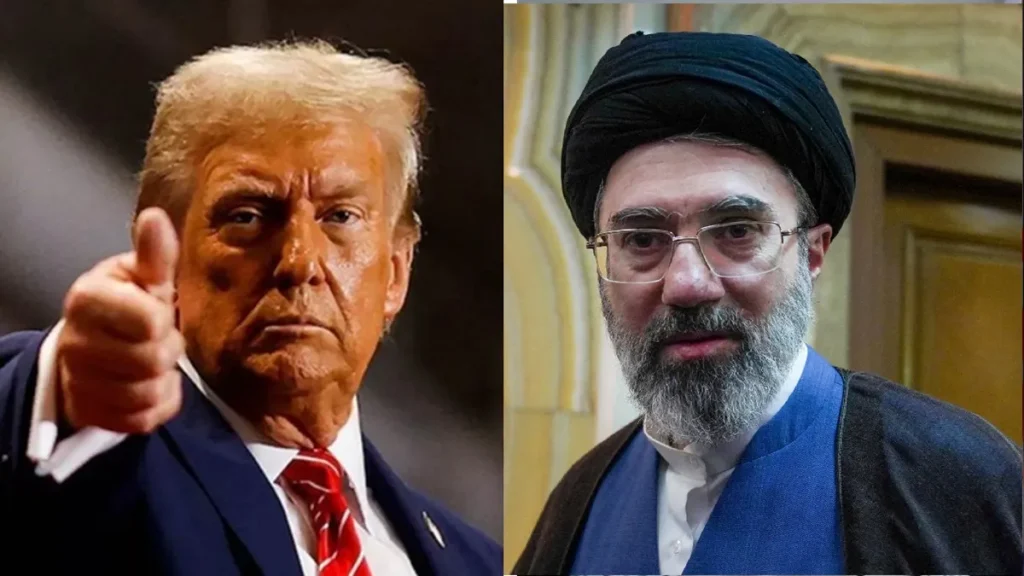
One of the most important reported objectives of the agreement is preventing war.
Regional conflicts have repeatedly raised concerns about the possibility of direct military confrontation between Iran and the United States.
The understanding involving the US and Iran covering various issues reportedly seeks to establish safeguards that reduce the likelihood of escalation.
Military experts note that even minor incidents can sometimes trigger larger crises if communication channels are absent.
Creating mechanisms for dialogue and crisis management could therefore play a crucial role in maintaining stability.
Regional Impact
The Middle East remains one of the world’s most strategically important regions.
Developments involving Iran and the United States often affect neighboring countries, regional alliances, and international trade routes.
An agreement centered on the US and Iran covering various issues could influence political calculations across the region.
Countries that have long been concerned about escalating tensions may welcome efforts aimed at reducing conflict.
At the same time, regional governments will likely monitor implementation closely to determine whether the agreement produces tangible results.
Economic Implications
Economic considerations also play a significant role in discussions surrounding the agreement.
Iran has faced extensive sanctions that have affected trade, investment, and economic growth.
While the current memorandum involving the US and Iran covering various issues may not immediately transform economic conditions, improved relations could create opportunities for future cooperation.
Global energy markets are particularly sensitive to developments involving Iran because of the country’s substantial oil and gas resources.
Any reduction in tensions could influence market expectations and investor confidence.
Challenges Ahead
Despite positive developments, significant obstacles remain.
The agreement involving the US and Iran covering various issues must navigate political opposition, implementation challenges, and continuing mistrust.
Both governments face domestic audiences with differing expectations regarding negotiations.
For American policymakers, maintaining pressure while pursuing diplomacy presents a delicate balance.
For Iranian leaders, protecting national sovereignty while engaging with Washington remains equally challenging.
These realities mean that successful implementation will require patience and sustained political commitment.
International Reactions
Governments around the world have responded cautiously to reports of the agreement.
Many countries support diplomatic efforts that reduce the risk of conflict and encourage dialogue.
The understanding involving the US and Iran covering various issues has therefore been welcomed by numerous observers who view diplomacy as preferable to confrontation.
International organizations and foreign governments will likely continue encouraging both sides to maintain communication and avoid actions that could undermine progress.
Global attention remains focused on how the agreement develops in the coming months.
The Importance of Trust
Trust remains one of the most difficult issues in US-Iran relations.
Years of disagreements have created deep skepticism on both sides.
The agreement concerning the US and Iran covering various issues will ultimately succeed or fail depending on whether both governments can build sufficient confidence in each other’s commitments.
Analysts argue that transparency, consistent communication, and gradual implementation may help strengthen trust over time.
However, any major disagreement could quickly reverse progress.
Future Prospects
Looking ahead, the future of the agreement remains uncertain.
Supporters argue that the understanding involving the US and Iran covering various issues represents an important opportunity to reduce tensions and create a more stable regional environment.
Critics, however, question whether longstanding disputes can truly be resolved through a memorandum alone.
The coming months will likely determine whether this diplomatic initiative becomes a lasting framework for cooperation or another temporary attempt at engagement.
Conclusion
The reported agreement between the United States and Iran marks an important moment in international diplomacy. By focusing on the US and Iran covering various issues, including conflict prevention and regional stability, both countries appear to be exploring a path away from confrontation and toward dialogue.
At the same time, Mojtaba Khamenei’s warning underscores the challenges that remain. His statement that Iran will reject excessive American demands reflects continuing concerns about sovereignty, national interests, and the balance of obligations within the agreement.
While Khamenei acknowledged approving the memorandum out of respect for the Iranian President and the Supreme National Security Council, his remarks demonstrate that internal debate continues regarding the future of relations with Washington.
Ultimately, the success of the agreement involving the US and Iran covering various issues will depend on mutual respect, careful implementation, and a willingness from both sides to prioritize diplomacy over conflict. The world will be watching closely as this important chapter in US-Iran relations continues to unfold.
Read more latest news

