

Khan Sir Is Not Interested in Teaching, but in Taking Photographs; Tej Pratap Yadav’s Scathing Allegation Triggers Political Storm in Bihar
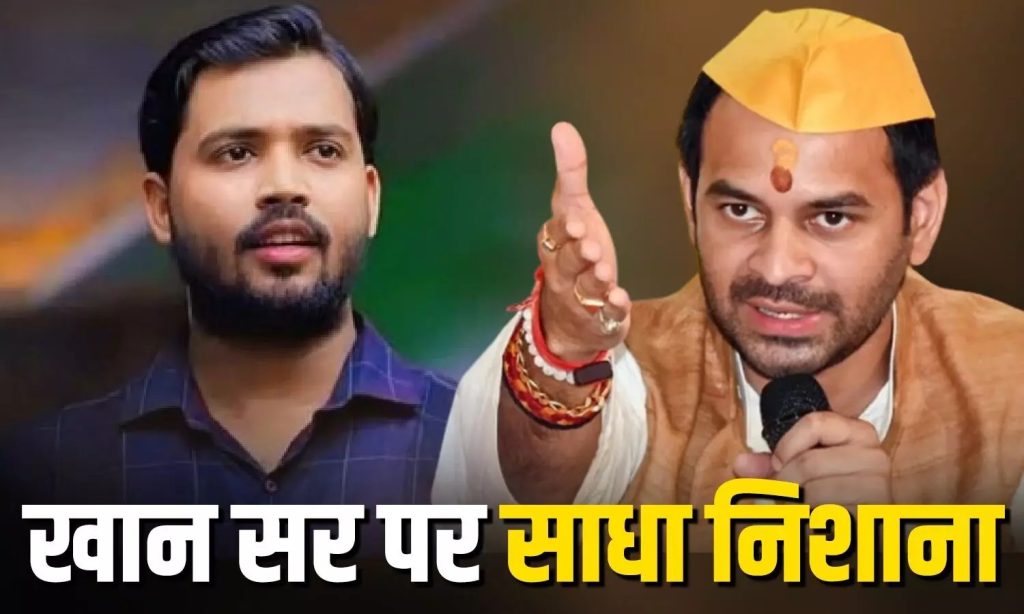
His remark that Khan Sir is not interested in teaching but is more focused on taking photographs and building his public image has sparked intense debate across political circles, educational communities, and social media platforms. A fresh political controversy has erupted in Bihar after Rashtriya Janata Dal (RJD) leader Tej Pratap Yadav launched a sharp attack on popular educator Khan Sir.
The statement quickly became one of the most discussed topics in Bihar, with supporters and critics engaging in heated arguments. While many students came forward in support of the educator, others argued that public figures, regardless of their profession, should be open to scrutiny and criticism.
The controversy has also reignited discussions about the role of teachers in society, the growing influence of online educators, and the intersection of education and politics in modern India.
Tej Pratap Yadav’s Remark Sparks Debate
The controversy began when Tej Pratap Yadav accused the popular teacher of focusing more on publicity than education. According to him, Khan Sir is not interested in teaching and spends more time cultivating his public image than concentrating on academic responsibilities.
The statement immediately drew reactions from various sections of society. Political leaders, students, educators, and social media users weighed in on the issue, turning a single comment into a statewide discussion.
Supporters of Khan Sir strongly rejected the allegation, arguing that his educational contributions speak for themselves. Critics, however, maintained that every influential public figure should be subject to public debate, Khan Sir is not interested in teaching.
Who Is Khan Sir and Why Is He So Popular?
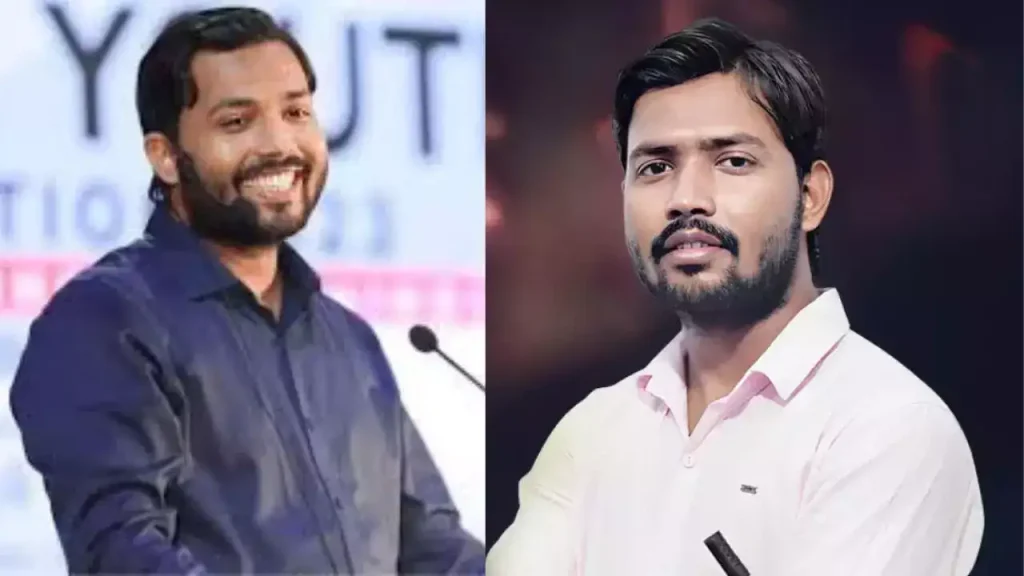
Khan Sir has become one of India’s most recognized educators through his classroom lectures and online educational content. Millions of students preparing for competitive examinations follow his lessons on current affairs, history, geography, and general knowledge.
His teaching style is often praised for simplifying complex subjects and making education accessible to students from diverse backgrounds. Many learners, particularly those from economically weaker sections, consider his lectures affordable and effective.
Because of this immense popularity, the allegation that Khan Sir is not interested in teaching generated widespread attention. For many students, the statement appeared to contradict their personal experiences with his educational content.
Social Media Turns into a Battleground
Soon after the remark became public, social media platforms witnessed a flood of reactions. Supporters argued that the claim that Khan Sir is not interested in teaching was unfair and ignored years of educational work that benefited millions of students.
Several users pointed out that online education has transformed learning opportunities in India, and educators who build large audiences inevitably become public personalities.
On the other hand, critics argued that visibility and influence come with accountability. They insisted that questions regarding priorities, public engagement, and educational commitment are legitimate topics of discussion.
Hashtags related to the controversy began trending, and a virtual war of words erupted between supporters and opponents.
The Larger Question: What Is the Role of a Teacher?
The controversy has raised a broader question about the role of teachers in contemporary society.
Traditionally, teachers were expected to remain within classrooms and focus exclusively on education. However, the digital era has transformed educators into influencers, public commentators, and opinion leaders.
In this context, the statement that Khan Sir is not interested in teaching has become part of a larger conversation about whether modern educators should limit themselves to academic instruction or actively participate in public discourse.
Many education experts believe that teachers can contribute significantly to social and national conversations while continuing to fulfill their academic responsibilities.
Others argue that educational professionals should ensure that teaching remains their primary focus.
Supporters Defend Khan Sir
Khan Sir’s supporters strongly rejected Tej Pratap Yadav’s allegation. They argued that claiming Khan Sir is not interested in teaching ignores the vast number of students who have benefited from his lessons over the years.
According to them, his popularity is a result of educational impact rather than publicity efforts. They point to his extensive online content, classroom programs, and student outreach initiatives as evidence of his commitment to teaching.
Many students shared personal stories about how his lectures helped them prepare for competitive examinations and improve their academic performance.
Supporters also emphasized that taking photographs with students or appearing at public events does not diminish a teacher’s educational contributions.
Critics Continue to Raise Questions
While many defended Khan Sir, some observers maintained that influential educators should welcome public scrutiny.
They argued that statements such as Khan Sir is not interested in teaching should not automatically be dismissed but rather examined objectively.
Critics noted that individuals with large audiences often shape public opinion beyond the classroom. Therefore, discussions about their priorities, public conduct, and responsibilities are both natural and necessary.
However, even among critics, opinions differed regarding whether Tej Pratap Yadav’s comments were justified or overly harsh.
Education and Politics: A Long-Standing Relationship
The controversy has also highlighted the long-standing relationship between education and politics in India.
Teachers have historically played significant roles in social reform movements, public awareness campaigns, and nation-building efforts. Likewise, political leaders frequently discuss educational issues because they directly affect millions of citizens.
In this context, the claim that Khan Sir is not interested in teaching has become more than a personal allegation. It has evolved into a discussion about the expectations society places on educators and the influence they wield.
Political analysts suggest that such debates often reflect deeper disagreements about public leadership, social influence, and institutional responsibility.
Bihar’s Political Climate Intensifies the Controversy
Bihar has long been known for its vibrant and often confrontational political culture. In such an environment, even comments directed at non-political public figures can quickly become political issues.
The allegation that Khan Sir is not interested in teaching gained additional attention because it involved a highly popular educator with a significant youth following.
Political parties and commentators interpreted the remark through different lenses, with some viewing it as legitimate criticism and others describing it as an unnecessary attack.
As the debate expanded, discussions shifted from the individual involved to broader concerns about education, leadership, and public accountability.
Students React Strongly
Students emerged as one of the most vocal groups in the debate.
Many rejected the assertion that Khan Sir is not interested in teaching, arguing that his educational content continues to help learners across the country.
Several students stated that they had personally benefited from his lessons and considered him an important figure in their academic journey.
Others emphasized that teachers, like all public personalities, should remain open to constructive criticism. However, they argued that criticism should be based on evidence rather than assumptions.
The diversity of student responses demonstrated how deeply the issue resonated within the educational community.
The Rise of Digital Educators
The controversy has also drawn attention to the growing influence of digital educators in India.
Online teaching platforms have dramatically changed how students access knowledge. Educators today can reach millions of learners through videos, live classes, and social media engagement.
As a result, figures like Khan Sir occupy a unique position in society—part teacher, part public personality.
This changing landscape makes statements such as Khan Sir is not interested in teaching particularly significant because they touch upon broader concerns about authenticity, influence, and responsibility in the digital age.
Experts note that the success of online education depends not only on content quality but also on public trust.
Media Coverage and Public Perception
News channels, digital platforms, and online publications extensively covered the controversy.
The repeated discussion of whether Khan Sir is not interested in teaching ensured that the issue remained in public focus for days.
Media analysts observed that controversies involving popular public figures often attract widespread attention because they combine elements of politics, education, and celebrity culture.
As coverage expanded, public perception became increasingly polarized, with supporters and critics interpreting the same events in very different ways.

Conclusion
Tej Pratap Yadav’s allegation has triggered one of the most talked-about debates in Bihar in recent times. The claim that Khan Sir is not interested in teaching has generated strong reactions from students, educators, political leaders, and social media users alike.
For supporters, Khan Sir remains a dedicated educator whose work has positively impacted millions of students. For critics, the controversy highlights the importance of examining the influence and responsibilities of prominent public figures.
Regardless of where one stands, the debate has opened a wider conversation about education, public image, digital influence, and the evolving role of teachers in modern society.
As discussions continue, the controversy serves as a reminder that in today’s interconnected world, a single statement can spark significant debates that extend far beyond the individuals involved.
Read more latest news

