
How Dangerous Is Hantavirus? Understanding the Risks, Symptoms, and How It Differs from the Flu
As people search for clarity, one question dominates: How dangerous is hantavirus? The answer is complex, as it depends on factors like exposure, early detection, and medical care.
In recent weeks, global health discussions have been stirred by alarming reports of infections linked to a cruise ship, bringing renewed attention to a relatively lesser-known but potentially severe disease—hantavirus.
How dangerous is hantavirus, how it spreads, how it compares to the flu, and what precautions can help reduce risk.
What Is Hantavirus?
Hantavirus is not a single disease but a group of viruses primarily spread by rodents. Humans typically become infected through contact with infected rodent urine, droppings, or saliva. In rare cases, inhalation of contaminated air particles can lead to infection.
The most severe form of the disease is Hantavirus Pulmonary Syndrome (HPS), which affects the lungs and can be life-threatening. Another variant, more common in parts of Europe and Asia, affects the kidneys.
Understanding How dangerous is hantavirus begins with recognizing that although infections are rare, the consequences can be serious.

How Does Hantavirus Spread?
Unlike many viral infections, hantavirus does not usually spread from person to person. The primary transmission route is through exposure to infected rodents.
Activities that increase risk include:
- Cleaning rodent-infested areas
- Living in or visiting rural or forested regions
- Handling contaminated materials without protection
When people ask How dangerous is hantavirus, the answer often relates to how easily exposure can occur without awareness.
Symptoms Similar to Flu But More Severe
One of the reasons hantavirus is concerning is that its early symptoms resemble those of the common flu. This similarity can delay diagnosis.
Early symptoms include:
- Fever
- Fatigue
- Muscle aches
- Headache
These are also typical signs of Influenza, which is why confusion often arises.
However, as the disease progresses, symptoms can become severe:
- Shortness of breath
- Fluid accumulation in the lungs
- Kidney complications (in some cases)
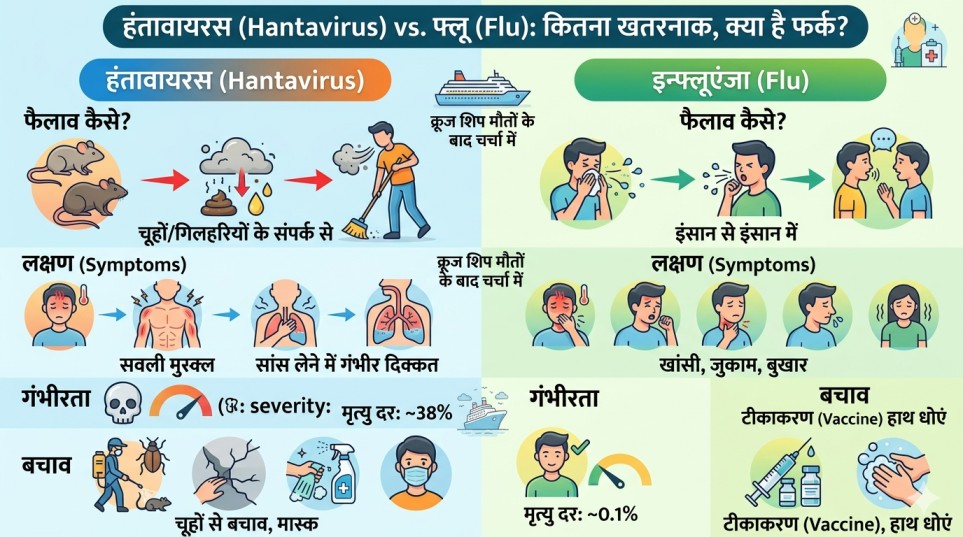
This progression highlights How dangerous is hantavirus, especially when compared to the flu, which is generally less severe for most healthy individuals.
How Dangerous Is Hantavirus Compared to the Flu?
To fully understand How dangerous is hantavirus, it is essential to compare it with influenza:
1. Severity
- Influenza: Usually mild to moderate, though it can be severe in vulnerable groups.
- Hantavirus: Often severe, with a higher risk of hospitalization.
2. Mortality Rate
- Influenza: Generally low, especially with vaccines and treatment.
- Hantavirus: Significantly higher, particularly in cases of HPS.
3. Transmission
- Influenza: Spreads easily from person to person.
- Hantavirus: Primarily spread through rodents, not humans.
4. Treatment
- Influenza: Antiviral medications and vaccines available.
- Hantavirus: No specific antiviral cure; treatment is supportive.
These differences clearly illustrate How dangerous is hantavirus in comparison to the flu.
Why Recent Cruise Ship Cases Raised Alarm
The recent cruise ship incidents brought hantavirus into the spotlight. Confined environments like ships can amplify health concerns, even if the disease itself is not highly contagious between humans.
The question How dangerous is hantavirus gained urgency because such environments can increase exposure risks if rodents are present.
Authorities responded with heightened sanitation measures and health monitoring, emphasizing the seriousness of the situation.
Stages of Hantavirus Infection
To better understand How dangerous is hantavirus, it helps to look at its progression:
1. Incubation Period
- Typically 1–5 weeks after exposure
- No symptoms during this phase
2. Early Stage
- Flu-like symptoms appear
- Often mistaken for common illnesses
3. Cardiopulmonary Phase
- Rapid deterioration
- Breathing difficulties
- Possible organ failure
This rapid progression is a key reason How dangerous is hantavirus is a critical public health question.

Risk Factors
Certain factors increase the likelihood of infection:
- Living in rodent-infested areas
- Poor sanitation conditions
- Occupational exposure (farmers, construction workers)
Understanding these risks helps answer How dangerous is hantavirus for different populations.
Diagnosis Challenges
Because early symptoms mimic the flu, diagnosing hantavirus can be difficult. Doctors rely on:
- Patient history (rodent exposure)
- Blood tests
- Imaging (for lung involvement)
Delayed diagnosis can worsen outcomes, reinforcing How dangerous is hantavirus when not identified early.
Treatment and Medical Care
There is no specific cure for hantavirus. Treatment focuses on:
- Oxygen therapy
- Fluid management
- Intensive care support
Early hospitalization significantly improves survival rates. This underscores How dangerous is hantavirus if medical care is delayed.
Prevention: The Best Defense
Since there is no vaccine, prevention is crucial:
- Avoid contact with rodents
- Seal homes to prevent rodent entry
- Use protective gear when cleaning contaminated areas
- Maintain proper hygiene
Preventive measures are essential in reducing How dangerous is hantavirus at a community level.
Global Perspective
Hantavirus cases have been reported worldwide, with variations in severity depending on the strain. Regions with higher rodent populations tend to see more cases.
The global spread of information has increased awareness about How dangerous is hantavirus, prompting governments to strengthen surveillance systems.
Public Awareness and Education
Raising awareness is key to prevention. Many people are unaware of the risks associated with rodent exposure.
Educational campaigns can help people understand How dangerous is hantavirus and take necessary precautions.

Myths and Misconceptions
There are several misconceptions:
- “It spreads like the flu” – False
- “It is always fatal” – Not always, but serious
- “Only rural areas are affected” – Urban areas can also be at risk
Clarifying these myths helps provide a realistic view of How dangerous is hantavirus.
Psychological Impact of Outbreaks
News of outbreaks can cause fear and anxiety. The question How dangerous is hantavirus often leads to panic, especially when linked to deaths.
Accurate information and responsible reporting are essential to prevent unnecessary alarm.
Lessons from Recent Cases
The cruise ship incidents highlight the importance of:
- Early detection
- Proper sanitation
- Public awareness
These lessons contribute to a better understanding of How dangerous is hantavirus and how to manage risks effectively.
Conclusion: Should You Be Worried?
So, How dangerous is hantavirus? The answer lies somewhere between caution and awareness. While the disease is rare, it can be severe and even life-threatening in certain cases.
Compared to the flu, hantavirus poses a higher risk of complications but is less contagious. This means that while widespread outbreaks are unlikely, individual cases can be serious.
Understanding How dangerous is hantavirus empowers individuals to take preventive measures without succumbing to fear. Awareness, hygiene, and early medical attention are the best tools to stay safe.
In a world where new health concerns emerge frequently, staying informed is crucial. By knowing How dangerous is hantavirus, we can respond with knowledge rather than panic—and ensure better health outcomes for all.
read more latest news

