
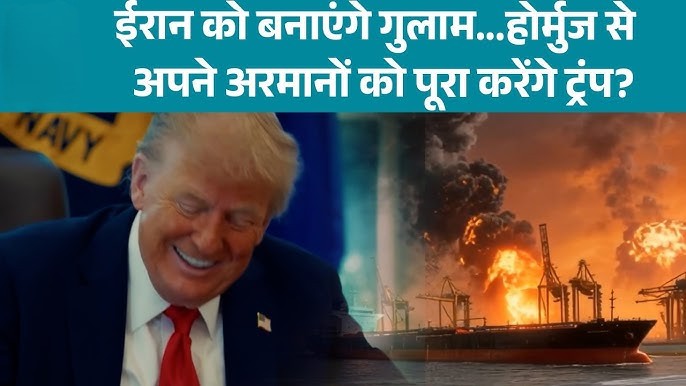
Trump’s Strait of Hormuz Strategy: Rising Pressure on Iran and Global Energy Shock
This blog explores how the Trump Strait of Hormuz strategy is reshaping international relations, impacting oil markets, and pushing the world closer to a potential geopolitical flashpoint.
The escalating confrontation between the United States and Iran has once again brought global attention to one of the world’s most critical energy chokepoints—the Strait of Hormuz. At the center of this geopolitical storm is former U.S. President Donald Trump, whose aggressive policy decisions have significantly altered the strategic landscape of the Middle East. The phrase Trump Strait of Hormuz has now become synonymous with rising tensions, economic uncertainty, and fears of a global energy crisis.
Understanding the Importance of the Strait of Hormuz
Before analyzing the Trump Strait of Hormuz approach, it is essential to understand why this narrow waterway holds such immense global importance.
The Strait of Hormuz connects the Persian Gulf to the open ocean and serves as a gateway for oil exports from major producers like Saudi Arabia, Iraq, Kuwait, and the UAE. Roughly 20% of the world’s oil supply passes through this route, making it one of the most strategically vital shipping lanes on Earth.
Any disruption in this corridor instantly sends shockwaves across global markets. This is precisely why the Trump Strait of Hormuz policy has attracted intense international scrutiny.
The Emergence of Trump Hardline Strategy
The Trump Strait of Hormuz doctrine took a dramatic turn after the collapse of U.S.-Iran negotiations in Islamabad. In response, the United States announced a naval blockade targeting Iranian ports, aiming to cripple Tehran’s oil exports and weaken its economic leverage.
This move marked a significant escalation in the conflict. The Trump Strait of Hormuz policy is not just about military positioning—it is a calculated economic pressure tactic designed to force Iran into compliance on issues such as its nuclear program and regional influence.
Reports indicate that the blockade could halt millions of barrels of Iranian oil per day, tightening global supply and pushing oil prices higher.

Economic Shockwaves Across the Globe
One of the most immediate consequences of the Trump Strait of Hormuz strategy has been the surge in oil prices. Crude oil prices have already crossed $100 per barrel, raising concerns about inflation, fuel costs, and economic instability worldwide.
The Trump Strait of Hormuz crisis is not limited to energy markets—it has broader economic implications:
- Rising transportation costs
- Increased manufacturing expenses
- Supply chain disruptions
- Pressure on emerging economies
Countries heavily dependent on oil imports, including India and China, are particularly vulnerable to the fallout of the Trump Strait of Hormuz developments.
Iran Response and Regional Tensions
Iran has strongly condemned the U.S. actions, calling the blockade an act of “piracy” and warning of retaliation.
From Tehran’s perspective, the Trump Strait of Hormuz policy represents an attempt to undermine its sovereignty and economic stability. Iran has historically leveraged its geographic advantage over the strait, and any attempt to control or restrict access is likely to provoke a strong response.
The situation has created a dangerous cycle:
- U.S. increases pressure through the Trump Strait of Hormuz strategy
- Iran responds with threats or military actions
- Global tensions escalate further
This cycle risks spiraling into a broader regional conflict involving multiple actors.
Military Implications and Strategic Calculations
The Trump Strait of Hormuz approach includes not only economic sanctions but also military readiness. The U.S. Navy has been deployed to enforce the blockade, clear mines, and ensure safe passage for non-Iranian vessels.
This strategy reflects a shift from traditional warfare to hybrid tactics—combining economic pressure, naval dominance, and geopolitical signaling.
However, the Trump Strait of Hormuz plan carries significant risks:
- Miscalculations could lead to direct military confrontation
- Accidental clashes in the narrow waterway
- Escalation involving regional powers
The presence of multiple naval forces in a confined space increases the likelihood of unintended conflict.
Global Diplomatic Reactions
The international community has responded cautiously to the Trump Strait of Hormuz developments. While some allies support efforts to ensure free navigation, others have distanced themselves from the U.S. blockade strategy.
Countries such as China and India, which rely heavily on Middle Eastern oil, have expressed concerns about energy security. Meanwhile, European nations are urging restraint and diplomatic solutions.
The Trump Strait of Hormuz crisis has exposed divisions among global powers, highlighting the complexity of modern geopolitics.
Impact on Global Energy Security
Energy security is at the heart of the Trump Strait of Hormuz issue. With a significant portion of the world’s oil supply at risk, governments and corporations are scrambling to find alternatives.
Possible responses include:
- Increasing oil production in other regions
- Utilizing strategic reserves
- Diversifying energy sources
- Accelerating renewable energy adoption
However, none of these solutions can fully replace the importance of the Strait of Hormuz in the short term.
India’s Strategic Concerns
For India, the Trump Strait of Hormuz crisis is particularly critical. As one of the world’s largest oil importers, India depends heavily on stable energy supplies from the Middle East.
Disruptions caused by the Trump Strait of Hormuz situation could lead to:
- Rising fuel prices
- Inflationary pressures
- Strain on economic growth
Indian policymakers are closely monitoring developments and exploring contingency plans to mitigate risks.
A Turning Point in U.S.-Iran Relations
The Trump Strait of Hormuz policy represents a significant escalation in U.S.-Iran relations. By targeting Iran’s oil exports, the United States is applying maximum pressure to achieve strategic objectives.
However, critics argue that the Trump Strait of Hormuz approach could backfire by:
- Strengthening hardline elements within Iran
- Reducing chances of diplomatic resolution
- Increasing regional instability
Supporters, on the other hand, believe it is a necessary step to counter Iran’s influence.
Future Scenarios
The Trump Strait of Hormuz crisis could unfold in several ways:
1. De-escalation through Diplomacy
Negotiations resume, leading to a reduction in tensions and restoration of normal shipping routes.
2. Prolonged Standoff
The blockade continues, causing sustained economic and geopolitical pressure.
3. Military Escalation
Direct conflict erupts, potentially involving multiple countries and disrupting global stability.
Each scenario carries significant implications for the world.
Conclusion: A Crisis with Global Consequences
The Trump Strait of Hormuz strategy has transformed a regional dispute into a global crisis. With oil prices rising, tensions escalating, and diplomatic efforts faltering, the world is watching closely.
At its core, the Trump Strait of Hormuz issue is about more than just a waterway—it is about power, influence, and the future of global energy security.
As events continue to unfold, one thing is certain: the Strait of Hormuz will remain a focal point of international politics, and the decisions made today will shape the global order for years to come.
Read more latest news

