
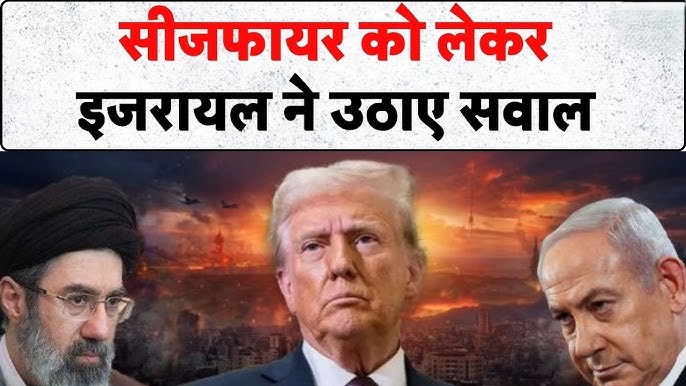
Suspense over the Half Ceasefire: Iran-Israel Tensions Remain
The phrase Suspense over the Half Ceasefire perfectly captures the uncertainty, anxiety, and volatility that define the current situation between Iran, Israel, and the United States. While the ceasefire offers a temporary pause in direct confrontation, it is far from a resolution. Instead, it has exposed the fragile nature of diplomacy in a region long plagued by conflict. The geopolitical landscape of the Middle East has once again become the center of global attention as a fragile two-week ceasefire attempts to hold together amid deep mistrust and ongoing hostilities.
A Ceasefire That Feels Incomplete
At first glance, the announcement of a two-week ceasefire seemed like a step toward de-escalation. However, the ground reality paints a very different picture. The ongoing military actions, particularly Israel’s continued operations in Lebanon, have raised serious concerns about the sincerity and durability of the agreement.
This is why analysts are increasingly referring to the situation as Suspense over the Half Ceasefire—a pause that exists more on paper than in practice. While diplomatic channels remain active, the lack of mutual trust between the parties has created a tense environment where any minor provocation could trigger a larger conflict.
Iran Warning Finger on the Trigger
Iran’s stance during this ceasefire period has been anything but passive. Officials have openly declared that their “finger is on the trigger,” signaling readiness to respond swiftly to any perceived aggression. This statement reflects not only Iran’s military preparedness but also its skepticism toward the ceasefire arrangement.
The rhetoric coming from Tehran underscores the ongoing Suspense over the Half Ceasefire, as it indicates that the ceasefire is conditional and highly fragile. Iran’s position is shaped by its strategic interests in the region, including its support for allied groups and its opposition to Israeli actions.
Such statements are not merely symbolic; they serve as warnings to both Israel and the United States that Iran is prepared to escalate if necessary. This constant state of alert further deepens the Suspense over the Half Ceasefire.
Israel Continued Military Actions
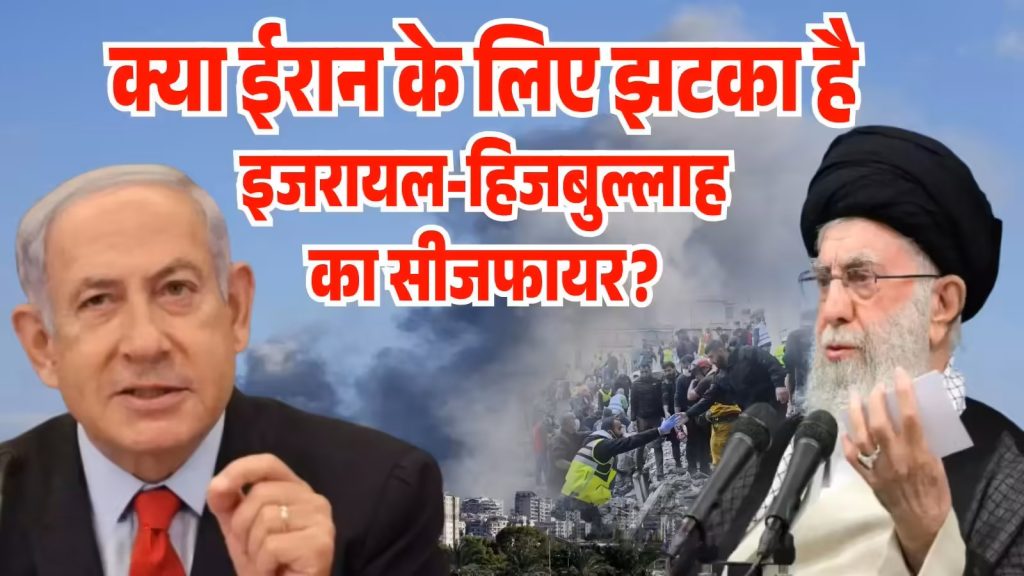
Despite the ceasefire agreement, Israel has continued its operations in Lebanon, targeting militant positions and infrastructure. These actions have drawn criticism from multiple international observers, who argue that such moves undermine the spirit of the ceasefire.
Israel, however, maintains that its operations are defensive and necessary to ensure national security. This justification has done little to ease tensions, as it directly contradicts the expectations of a ceasefire.
The continuation of these operations contributes significantly to the Suspense over the Half Ceasefire, as it raises questions about whether Israel ever intended to fully comply with the agreement. The situation becomes even more complex when considering the involvement of non-state actors in Lebanon, which adds another layer of unpredictability.
The Role of the United States
The United States has played a crucial role in brokering this temporary ceasefire. However, its dual role as both mediator and ally to Israel has led to criticism from various quarters.
Washington’s involvement is seen by some as essential for maintaining a balance of power, while others view it as biased. This perception has affected the credibility of the ceasefire, contributing to the ongoing Suspense over the Half Ceasefire.
The United States faces a delicate balancing act—ensuring Israel’s security while preventing a broader regional conflict. Its success or failure in this regard will significantly influence the future of the ceasefire.
Why Experts Call It a “Half Ceasefire”
Experts have coined the term “half ceasefire” to describe the current situation because it lacks several key elements of a sustainable peace agreement. These include:
- Mutual trust between the parties
- Clear enforcement mechanisms
- Comprehensive inclusion of all stakeholders
- Commitment to long-term conflict resolution
Without these elements, the ceasefire remains incomplete, reinforcing the idea of Suspense over the Half Ceasefire.
Analysts warn that such partial agreements often lead to temporary calm followed by renewed violence. The absence of a robust framework makes it difficult to address underlying issues, ensuring that tensions persist.
Regional Implications
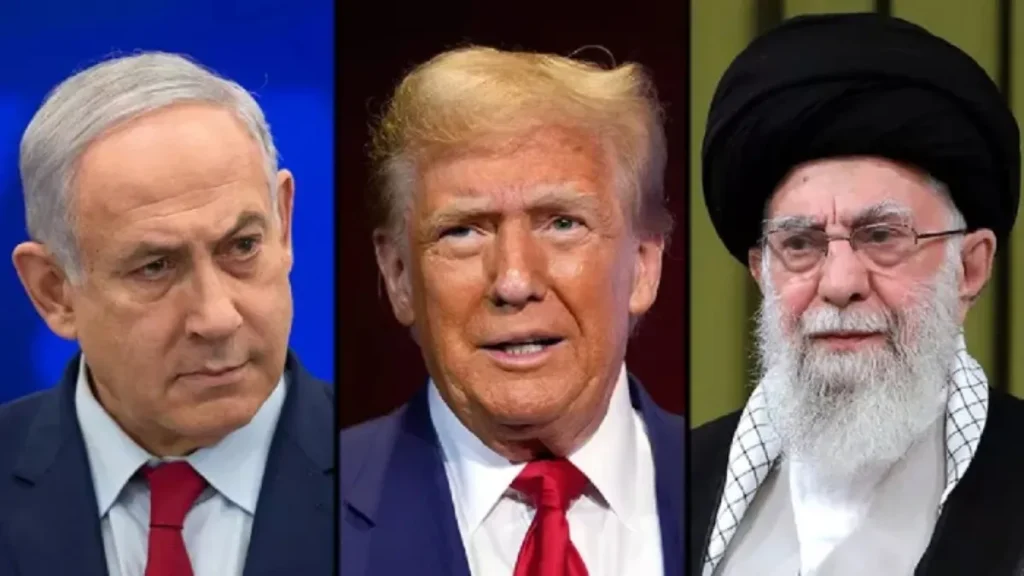
The implications of this fragile ceasefire extend far beyond Iran and Israel. Neighboring countries and regional actors are closely monitoring the situation, as any escalation could have widespread consequences.
Countries in the Middle East are particularly concerned about the potential for a broader conflict that could disrupt economic stability and security. This regional anxiety adds another dimension to the Suspense over the Half Ceasefire.
The involvement of proxy groups and alliances further complicates the situation. These actors often operate independently, making it difficult to control the overall dynamics of the conflict.
Impact on Civilians
One of the most tragic aspects of this ongoing tension is its impact on civilians. People living in conflict zones continue to face uncertainty, fear, and disruption to their daily lives.
The ceasefire, while offering some relief, has not eliminated the threat of violence. Airstrikes, warnings, and military movements continue to create an atmosphere of insecurity.
This humanitarian perspective highlights the human cost behind the Suspense over the Half Ceasefire, reminding the world that behind every geopolitical strategy are millions of lives affected.
Diplomatic Challenges Ahead
Achieving a lasting peace will require overcoming significant diplomatic challenges. These include:
- Bridging deep-rooted mistrust
- Addressing security concerns of all parties
- Involving regional and international stakeholders
- Establishing clear and enforceable agreements
The current ceasefire does not adequately address these challenges, which is why the Suspense over the Half Ceasefire continues to dominate discussions.
Diplomats must work tirelessly to transform this temporary pause into a meaningful step toward peace. However, given the current dynamics, this task appears daunting.
Historical Context
The tensions between Iran and Israel are not new. They are rooted in decades of political, ideological, and strategic differences. Understanding this history is crucial to comprehending the present situation.
Over the years, both countries have engaged in indirect conflicts, often through proxies and regional alliances. This history of hostility makes it difficult to establish trust, further intensifying the Suspense over the Half Ceasefire.
The current ceasefire is just another chapter in this long-standing conflict, and its outcome will likely influence future interactions.

Media and Global Perception
Global media coverage has played a significant role in shaping public perception of the ceasefire. The term Suspense over the Half Ceasefire has gained traction as it accurately reflects the uncertain nature of the situation.
Different narratives have emerged, with some portraying the ceasefire as a diplomatic success and others highlighting its shortcomings. This divergence in perspectives underscores the complexity of the issue.
Public opinion, influenced by media coverage, can also impact political decisions, adding another layer to the ongoing suspense.
Economic Consequences
The uncertainty surrounding the ceasefire has economic implications as well. Markets in the region have shown signs of volatility, and investors remain cautious.
Energy prices, particularly oil, are sensitive to developments in the Middle East. Any escalation could lead to significant fluctuations, affecting global economies.
This economic dimension adds to the Suspense over the Half Ceasefire, as stakeholders worldwide monitor the situation closely.
The Risk of Escalation
Perhaps the most concerning aspect of the current situation is the risk of escalation. With tensions running high and trust at a minimum, even a minor incident could trigger a larger conflict.
Iran’s warning and Israel’s continued operations create a volatile environment where miscalculations are highly likely. This constant risk keeps the Suspense over the Half Ceasefire alive.
Preventing escalation requires restraint and effective communication, both of which are currently in short supply.
Possible Scenarios
Several scenarios could unfold in the coming weeks:
- Extension of the ceasefire – If diplomatic efforts succeed
- Collapse of the ceasefire – Leading to renewed conflict
- Partial compliance – استمرار of the current “half ceasefire” state
- Broader regional conflict – Involving multiple actors
Each of these scenarios carries its own risks and implications, further emphasizing the Suspense over the Half Ceasefire.
The Need for a Long-Term Solution
While the ceasefire provides a temporary pause, it does not address the root causes of the conflict. A long-term solution is essential for lasting peace.
Such a solution would require:
- Comprehensive negotiations
- Mutual concessions
- International support
- Sustainable frameworks
Until these elements are in place, the Suspense over the Half Ceasefire will continue to define the situation.
Conclusion
The current ceasefire between Iran, Israel, and the United States represents a fragile and uncertain attempt at de-escalation. Far from being a definitive step toward peace, it has instead highlighted the deep divisions and complexities of the conflict.
The phrase Suspense over the Half Ceasefire encapsulates the reality of this moment—a tense pause filled with uncertainty, mistrust, and the constant risk of escalation. With Iran’s warnings, Israel’s continued military actions, and the United States’ challenging role as mediator, the situation remains highly volatile.
As the world watches closely, the hope is that this temporary ceasefire can evolve into a more comprehensive and lasting agreement. However, until concrete steps are taken to address the underlying issues, the suspense will persist.
In the end, the future of this ceasefire—and the broader region—depends on the willingness of all parties to move beyond temporary measures and work toward genuine peace. Until then, the Suspense over the Half Ceasefire will continue to dominate headlines and shape global discourse.
Read more latest news

