

America Warns Iran: Make a Deal or Attacks Will Escalate — Global Tensions Reach a Breaking Point
America Warns Iran The geopolitical landscape of the Middle East has once again become a focal point of global concern. Rising tensions between the United States and Iran are not only shaping regional dynamics but are also sending shockwaves across international markets, energy supplies, and diplomatic relations. The latest developments highlight a critical moment where diplomacy, military strategy, and economic stability are deeply intertwined. The phrase America warns Iran has now become a defining headline across global media, signaling the seriousness of the situation.
At the heart of this crisis lies a stark message from the United States: agree to a deal or face escalating consequences. This warning is not just rhetoric—it reflects a calculated stance rooted in national security concerns, energy stability, and geopolitical influence. As the world watches closely, the implications of this standoff are far-reaching and complex.
America warns Iran to make a deal or face attacks
The recent statement by US Defense Secretary Pete Hegseth has intensified the situation. He made it clear that Iran must come to the negotiating table. If it refuses, the United States is prepared to increase the intensity of its military actions. This declaration reinforces the ongoing narrative where America warns Iran in unmistakable terms, emphasizing urgency and resolve.
One of the most critical aspects of this conflict is its impact on global oil supplies. The Strait of Hormuz, a vital maritime chokepoint, has become a central point of tension. Any disruption in this region immediately affects oil transportation, as a significant portion of the world’s crude oil passes through this narrow waterway. The recent blockage and instability have already caused oil prices to surge, creating ripple effects across global economies.
As America warns Iran, energy markets are reacting with volatility. Countries dependent on oil imports are facing increased costs, inflationary pressures, and economic uncertainty. This situation underscores how regional conflicts can quickly evolve into global crises. The interconnected nature of today’s economy means that no nation remains unaffected.
impact of Strait of Hormuz blockage on oil prices
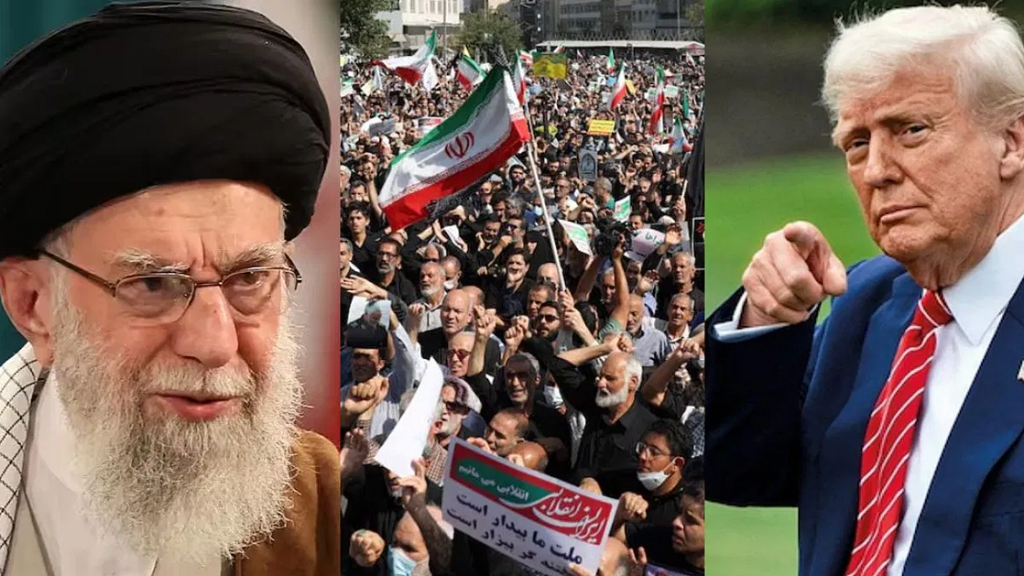
The phrase America warns Iran is not just a diplomatic signal—it is also a strategic move. The United States aims to deter Iran from further actions that could destabilize the region. However, this approach carries risks. Escalation could lead to unintended consequences, including broader military conflict or disruptions in global trade routes.
Iran, on the other hand, views these warnings through a different lens. From its perspective, external pressure is seen as a challenge to its sovereignty. This divergence in viewpoints complicates the path to resolution. While America warns Iran, Tehran may interpret these warnings as coercion rather than an invitation to negotiate.
Diplomatic efforts remain ongoing, but progress has been limited. The core issue revolves around agreements related to nuclear development, sanctions, and regional influence. The United States insists on stricter terms, while Iran seeks relief from economic sanctions and recognition of its strategic interests. In this context, America warns Iran serves as both a negotiation tactic and a reflection of growing impatience.
The military dimension of this conflict cannot be ignored. Increased troop deployments, naval movements, and strategic positioning in the Middle East indicate that both sides are preparing for potential escalation. When America warns Iran, it is backed by tangible military readiness. This combination of words and actions sends a powerful message, but it also raises concerns about the possibility of confrontation.
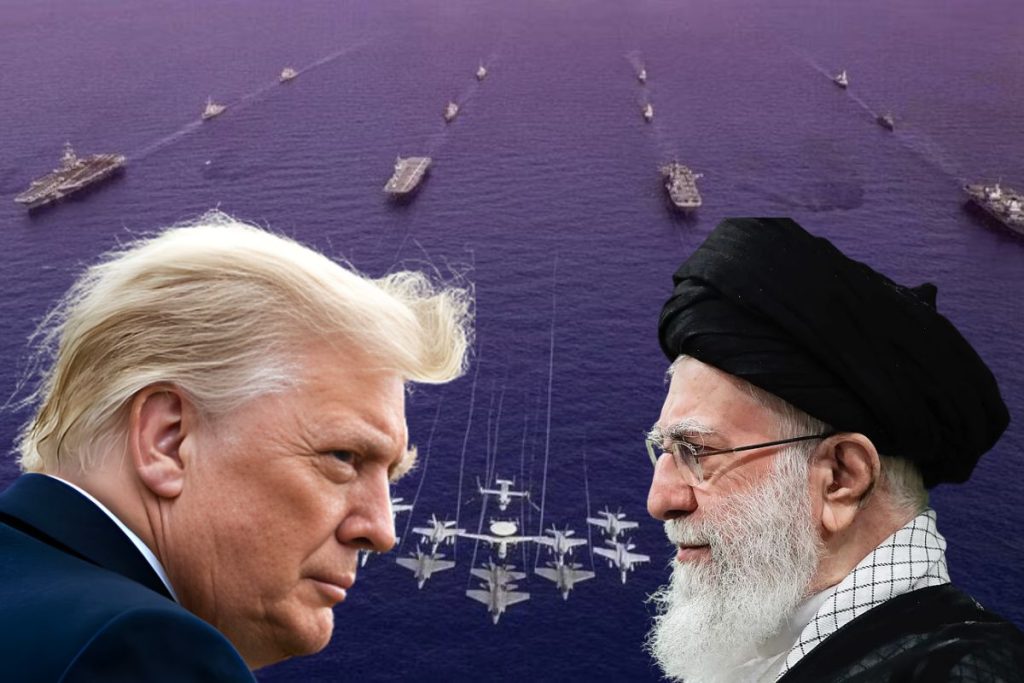
Global reactions to this situation have been mixed. Allies of the United States largely support its stance, emphasizing the need to prevent nuclear proliferation and maintain regional stability. However, other nations advocate for restraint and dialogue, warning that escalation could have catastrophic consequences. The repeated message that America warns Iran is being interpreted differently across the international community.
how Iran crisis is affecting oil supply worldwide
Economic implications are perhaps the most immediate and visible effects of this crisis. Rising oil prices are impacting transportation, manufacturing, and consumer goods worldwide. Inflationary pressures are increasing, and governments are being forced to adjust their economic strategies. As America warns Iran, markets remain on edge, reacting to every new development.
The Strait of Hormuz remains a critical flashpoint. Any prolonged disruption in this area could lead to severe shortages in oil supply. This has prompted several countries to explore alternative routes and increase strategic reserves. However, these measures can only provide temporary relief. The underlying issue remains unresolved, and the repeated stance where America warns Iran continues to dominate headlines.
Another important aspect to consider is the role of diplomacy in de-escalation. While military options are being discussed, diplomatic channels remain open. Negotiations, backchannel communications, and international mediation efforts are ongoing. The challenge lies in finding common ground where both parties can agree on terms that address their concerns.
The phrase America warns Iran reflects a sense of urgency, but it also highlights the limitations of pressure-based strategies. History has shown that lasting solutions often require compromise and mutual understanding. The current situation presents an opportunity for both sides to reassess their positions and prioritize long-term stability over short-term gains.
Public perception also plays a significant role in shaping policy decisions. In the United States, there is growing debate over the use of military force versus diplomatic engagement. Similarly, in Iran, public sentiment influences how the government responds to external pressure. As America warns Iran, domestic factors in both countries are shaping the trajectory of this conflict.
The involvement of other regional players adds another layer of complexity. Countries in the Middle East are closely monitoring the situation, as any escalation could directly impact their security and economic interests. Alliances, rivalries, and strategic partnerships are all being tested. In this environment, the message that America warns Iran carries implications far beyond bilateral relations.
Technology and cyber warfare are also emerging as potential tools in this conflict. Both nations possess capabilities that could disrupt critical infrastructure, communication networks, and financial systems. While traditional military action remains a concern, the possibility of cyber escalation adds a new dimension to the situation.
As the crisis unfolds, the role of international organizations becomes increasingly important. Efforts to mediate and facilitate dialogue are crucial in preventing escalation. However, achieving consensus among global powers is often challenging. The repeated narrative where America warns Iran underscores the urgency of coordinated international action.
Energy security is now at the forefront of global concerns. Countries are reevaluating their dependence on Middle Eastern oil and exploring alternative energy sources. This shift could have long-term implications for global energy markets and geopolitical dynamics. The current crisis serves as a reminder of the vulnerabilities associated with concentrated energy supply routes.
The human impact of this conflict should not be overlooked. Escalation could lead to displacement, economic hardship, and humanitarian challenges. While political and strategic considerations dominate discussions, the potential consequences for ordinary people are significant. The phrase America warns Iran may dominate headlines, but its implications extend far beyond politics.
Looking ahead, several scenarios are possible. Diplomatic resolution remains the most favorable outcome, where both sides agree to terms that address their concerns. Alternatively, continued tension could lead to prolonged instability, affecting global markets and regional security. The worst-case scenario involves military escalation, with far-reaching consequences.
global oil price rise due to Iran crisis
In conclusion, the current situation represents a critical moment in international relations. The message that America warns Iran encapsulates the urgency, complexity, and stakes involved. It is a reminder of how interconnected the world has become, where regional conflicts can quickly evolve into global crises.
The path forward requires careful navigation, balancing strength with diplomacy, and immediate actions with long-term goals. As the world watches closely, the decisions made in the coming days and weeks will shape the future of the Middle East and beyond. The repeated stance where America warns Iran is not just a headline—it is a defining moment that will influence global stability for years to come.
Read more latest news

