
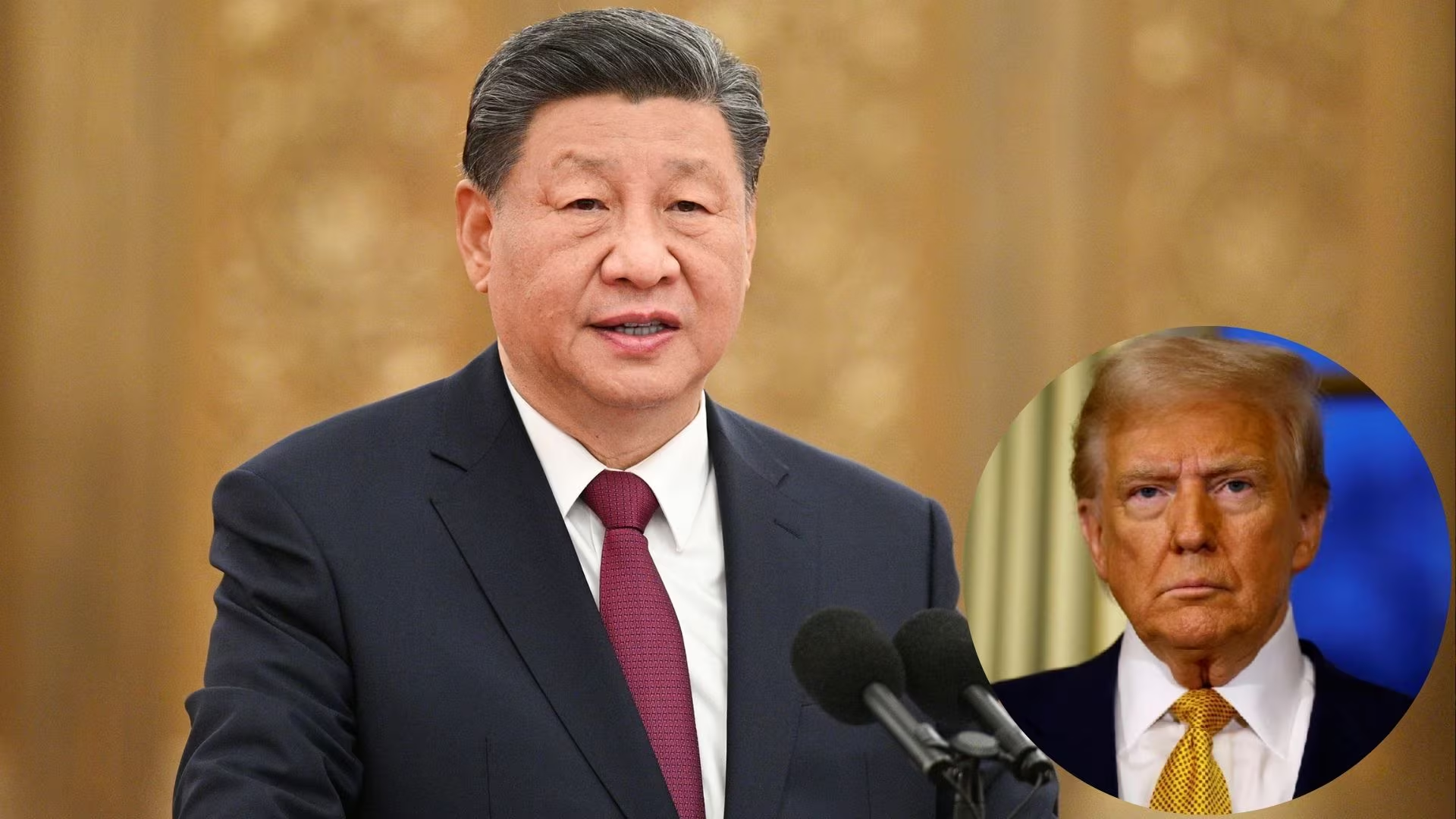
Amid the Middle East Crisis, China Announces Humanitarian Aid to Iran as Regional Tensions Continue.
The geopolitical landscape of the Middle East remains volatile as the conflict in the region enters its second week. Amid the Middle East crisis, global powers are closely monitoring developments and assessing their diplomatic and humanitarian roles. One of the most significant developments in recent days has been the announcement by China that it will provide humanitarian assistance to Iran, signaling Beijing’s willingness to support the country during a period of escalating tensions.
According to the Chinese Foreign Ministry, China will provide $200,000 in humanitarian aid to help address urgent needs arising from the conflict. The assistance will be delivered through the China Red Cross Society and directed to the Iran Red Crescent Society, which is actively engaged in relief operations across affected areas.
As diplomatic efforts intensify and humanitarian concerns grow, the announcement reflects China’s attempt to play a constructive role Amid the Middle East crisis while also emphasizing international cooperation in times of regional instability.
Growing Tensions in the Middle East
The conflict in the Middle East has entered its fourteenth day, and the situation remains highly tense. Military activities, political confrontations, and international warnings have heightened fears of a broader regional escalation.
Amid the Middle East crisis, countries around the world are urging restraint and calling for diplomatic dialogue to prevent further deterioration. Analysts believe that the ongoing tensions could have far-reaching implications for regional security, global energy markets, and international political alliances.
China’s decision to step forward with humanitarian aid highlights the importance of global cooperation during periods of crisis. While the amount may appear modest, the symbolic significance of such support is considerable Amid the Middle East crisis.
China Humanitarian Assistance to Iran
The Chinese Foreign Ministry confirmed that Beijing will provide $200,000 in humanitarian aid to Iran. The funds will be channeled through the China Red Cross Society and delivered to the Iran Red Crescent Society, which is responsible for coordinating relief efforts and assisting civilians affected by the conflict.
Officials stated that the aid would support emergency medical care, humanitarian supplies, and assistance for communities impacted by the ongoing conflict.
Amid the Middle East crisis, humanitarian organizations are facing increasing challenges as they attempt to provide essential services such as medical treatment, shelter, and food assistance to affected populations.
China emphasized that the humanitarian assistance is part of its broader commitment to supporting international relief efforts during times of crisis.

Statement from the Chinese Foreign Ministry
During a press briefing, spokespersons from the Chinese Foreign Ministry reiterated that Beijing remains committed to supporting humanitarian initiatives and promoting peace in the region.
The ministry explained that Amid the Middle East crisis, the humanitarian situation has become increasingly concerning. Civilians often bear the brunt of such conflicts, making international assistance crucial for mitigating suffering.
The spokesperson also highlighted China’s belief that dialogue and diplomatic engagement remain the most effective solutions for resolving conflicts in the region.
China has repeatedly called for de-escalation and urged all parties involved to avoid actions that could further destabilize the situation Amid the Middle East crisis.
Role of Humanitarian Organizations
Humanitarian agencies play a critical role in responding to crises and supporting communities affected by conflict. The Iran Red Crescent Society, which will receive the aid, is one of the largest humanitarian organizations operating in Iran.
Working in coordination with international partners, the organization provides emergency response services, medical assistance, and disaster relief during conflicts and natural disasters.
Amid the Middle East crisis, such organizations have been working tirelessly to deliver aid and support to vulnerable populations.
The involvement of the China Red Cross Society also highlights the importance of global humanitarian networks in facilitating international aid and ensuring that assistance reaches those who need it most.
China’s Diplomatic Position
China has consistently advocated for political dialogue and peaceful resolution of disputes in the Middle East. The country has increasingly sought to position itself as a mediator in regional conflicts and a supporter of humanitarian efforts.
Amid the Middle East crisis, Beijing has reiterated its stance that military escalation only worsens the humanitarian situation and increases the risk of broader instability.
Chinese officials have urged all parties to prioritize diplomacy and avoid actions that could lead to further confrontation.
This position aligns with China’s broader foreign policy approach, which emphasizes non-interference, dialogue, and international cooperation.
Global Reaction to China’s Announcement
The announcement of humanitarian assistance has drawn attention from the international community. Some analysts view China’s move as a gesture of solidarity with Iran, while others see it as part of Beijing’s broader diplomatic strategy in the Middle East.
Amid the Middle East crisis, many countries are carefully navigating their responses to the conflict. Governments are balancing humanitarian concerns with geopolitical considerations, making international diplomacy particularly complex.
China’s decision to provide aid may also reflect its growing role as a global actor in humanitarian and diplomatic initiatives.
Humanitarian Concerns Continue to Grow
As the conflict enters its second week, humanitarian concerns remain at the forefront of international discussions.
Amid the Middle East crisis, civilians face significant challenges, including displacement, limited access to medical care, and disruptions to essential services.
Humanitarian organizations are working to address these challenges, but their efforts require financial support and logistical assistance from governments and international partners.
China’s aid contribution, though relatively small compared to large-scale relief operations, demonstrates the importance of international solidarity in responding to crises.
Strategic Importance of the Middle East
The Middle East remains one of the most strategically important regions in the world. It plays a crucial role in global energy supplies, trade routes, and geopolitical dynamics.
Amid the Middle East crisis, global powers are closely monitoring developments to ensure that the conflict does not escalate into a wider regional war.
The region’s stability has far-reaching implications not only for neighboring countries but also for global economic and security interests.
China, like many other nations, has significant economic and energy ties to the Middle East, making regional stability an important priority.
China–Iran Relations
China and Iran share long-standing economic and diplomatic ties. Over the years, the two countries have cooperated on various initiatives, including trade, energy partnerships, and infrastructure projects.
Amid the Middle East crisis, these relations have taken on added significance as both countries navigate a rapidly evolving geopolitical landscape.
China’s humanitarian aid announcement reflects not only concern for the humanitarian situation but also the broader relationship between the two nations.
However, Chinese officials have emphasized that the assistance is purely humanitarian and intended to support civilians affected by the conflict.
Calls for Peace and Dialogue
International leaders have repeatedly called for restraint and peaceful dialogue in response to the ongoing tensions.
Amid the Middle East crisis, diplomatic channels remain active as governments attempt to prevent further escalation.
The United Nations and other international organizations have also urged all parties to prioritize negotiations and humanitarian considerations.
China has supported these calls and continues to advocate for diplomatic solutions to regional conflicts.
Challenges Facing the Region
The Middle East has experienced multiple conflicts and political tensions over the years. These challenges have often created complex humanitarian situations requiring coordinated international responses.
Amid the Middle East crisis, experts warn that prolonged conflict could have significant economic and social consequences for the region.
Infrastructure damage, economic disruptions, and displacement of populations are among the potential outcomes if tensions continue to escalate.
This makes humanitarian aid and diplomatic engagement even more important.
Importance of International Cooperation
Responding to humanitarian crises requires collaboration between governments, international organizations, and humanitarian agencies.
Amid the Middle East crisis, such cooperation is essential for ensuring that relief efforts are effective and timely.
China’s contribution through the China Red Cross Society demonstrates how humanitarian networks can facilitate international assistance.
By working together, countries and organizations can help alleviate suffering and support recovery efforts.
Media and Global Attention
The conflict has drawn extensive media coverage around the world. News outlets are closely following military developments, diplomatic statements, and humanitarian efforts.
Amid the Middle East crisis, public awareness of the situation has grown, leading to increased calls for international action and support for affected communities.
The announcement of humanitarian aid has therefore become part of the broader global conversation about the conflict and its impact.
Future Outlook
Predicting how the conflict will unfold remains difficult. Much will depend on diplomatic efforts, regional dynamics, and the actions of the parties involved.
Amid the Middle East crisis, international observers hope that negotiations and diplomatic engagement will eventually lead to a reduction in tensions.
Humanitarian assistance will likely continue to play a critical role in supporting communities affected by the conflict.
China’s contribution may encourage other countries to step forward with similar support initiatives.
Conclusion
As the Middle East conflict enters its second week, the region remains on edge and the humanitarian situation continues to evolve. Amid the Middle East crisis, China has taken a step to support Iran through a $200,000 humanitarian aid package delivered via the China Red Cross Society to the Iran Red Crescent Society.
The move highlights the importance of international solidarity and humanitarian assistance during times of conflict. While the aid may be limited in scale, it reflects a broader commitment to helping communities affected by the crisis.
Ultimately, Amid the Middle East crisis, the path forward will depend on diplomacy, cooperation, and the willingness of all parties to prioritize peace and stability over confrontation.
As global attention remains focused on the region, the international community continues to watch closely, hoping that dialogue and humanitarian efforts will help ease tensions and bring relief to those impacted by the conflict.
Read More latest news

