

Junior Doctor Raped By Colleague
Junior Doctor Raped By Colleague In yet another distressing incident highlighting safety concerns in educational institutions, a junior doctor was allegedly raped by her colleague in a hostel in Gwalior. The accused, who was arrested shortly after the complaint, has been charged under stringent sections of the Indian Penal Code (IPC). The case has reignited debates about campus safety, gender sensitization, and the systemic gaps in addressing sexual harassment in academic and professional spaces.
The Incident
Junior Doctor Raped By Colleague The incident reportedly occurred late at night in the hostel premises of a reputed medical institution in Gwalior. According to the victim’s statement, the accused, also a junior doctor, entered her room under the pretext of discussing academic matters. When she refused his advances, the situation escalated into a violent assault. The victim managed to alert authorities the next morning, leading to the immediate arrest of the accused.
The Response
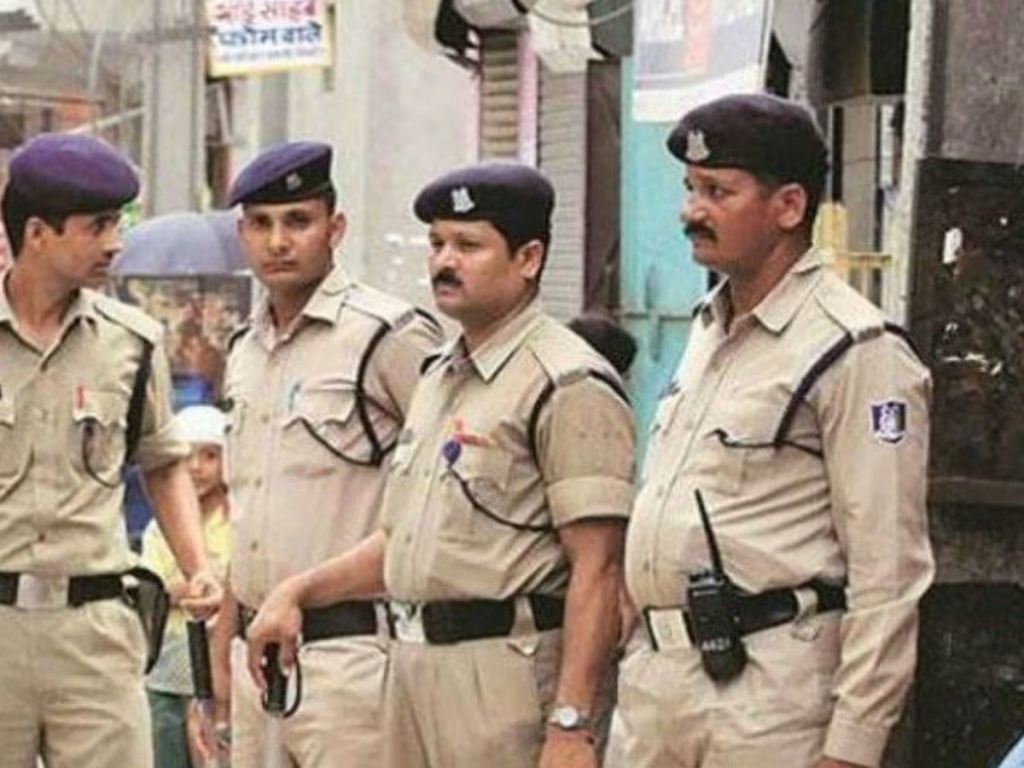
Junior Doctor Raped By Colleague The local police, acting promptly on the victim’s complaint, registered a case under Sections 376 (rape) and 506 (criminal intimidation) of the IPC. Superintendent of Police Rajesh Singh stated, “We have zero tolerance for such crimes. The accused has been taken into custody, and the investigation is ongoing. We are also providing counseling and support to the victim.”
Safety Concerns in Medical Institutions
Junior Doctor Raped By Colleague This incident comes just months after the horrifying case at RG Kar Medical College in Kolkata, where a similar incident of sexual violence had shaken the medical community. The recurrence of such cases in medical institutions, known for their demanding schedules and close-knit environments, raises serious questions about the systemic safeguards in place to protect students and professionals.
Key Issues Highlighted:
- Lack of Surveillance:
- Many hostels lack proper security measures such as CCTV cameras and secure entry points.
- The absence of female wardens or dedicated security staff exacerbates the problem.
- Inadequate Redressal Mechanisms:
- Internal Complaints Committees (ICCs), mandated under the Prevention of Sexual Harassment (PoSH) Act, are either non-functional or poorly equipped.
- Victims often face stigma and backlash, discouraging them from reporting such incidents.
- Cultural and Institutional Barriers:
- A pervasive culture of silence and victim-blaming often shields perpetrators.
- The hierarchical nature of medical institutions can intimidate junior professionals from speaking out.
Legal and Policy Framework
India’s legal framework provides robust mechanisms to address sexual violence, but gaps in implementation persist. The key legislations applicable in this case include:
- Indian Penal Code (IPC):
- Section 376: Deals with punishment for rape.
- Section 506: Addresses criminal intimidation.
- Prevention of Sexual Harassment (PoSH) Act:
- Mandates the establishment of ICCs in all workplaces, including educational institutions.
- Medical Council of India (MCI) Guidelines:
- Emphasize the importance of safe and inclusive environments for medical professionals.
Despite these provisions, incidents like the Gwalior case highlight the urgent need for stricter enforcement and proactive measures.
Reactions and Outrage
Junior Doctor Raped By Colleague The medical community and civil society have reacted with shock and anger to the incident. Student unions and women’s rights organizations have called for immediate action and systemic reforms.
Key Reactions:
- Indian Medical Association (IMA):
- Issued a statement condemning the incident and demanding stringent action against the accused.
- Urged medical institutions to conduct regular gender-sensitization workshops.
- National Commission for Women (NCW):
- Took suo motu cognizance of the case and sought a detailed report from the institution and local authorities.
- Social Media Activism:
- The hashtag #JusticeForMedicalStudent trended on Twitter, with users demanding accountability and justice.
The Victim’s Journey
Junior Doctor Raped By Colleague The victim, a promising medical professional, is currently undergoing counseling and medical care. Friends and colleagues describe her as a dedicated and resilient individual who has shown immense courage in coming forward.
Experts emphasize the importance of providing comprehensive support to survivors of sexual violence, including:
- Medical Care:
- Immediate treatment for physical and psychological trauma.
- Counseling Services:
- Access to trained counselors to help navigate the emotional aftermath.
- Legal Assistance:
- Support in navigating the legal process to ensure justice is served.
The Way Forward
Junior Doctor Raped By Colleague To prevent such incidents in the future, experts and activists propose a multi-pronged approach:
- Strengthening Security:
- Installation of CCTV cameras and biometric entry systems in hostels.
- Deployment of female wardens and security personnel.
- Empowering Students:
- Conducting regular workshops on gender sensitization and consent.
- Establishing anonymous reporting mechanisms to encourage victims to come forward.
- Institutional Accountability:
- Ensuring the functionality and accessibility of ICCs.
- Holding institutions accountable for lapses in safety and support systems.
- Legal Reforms:
- Fast-tracking sexual assault cases to ensure timely justice.
- Enhancing penalties for institutional negligence.
Broader Implications
Junior Doctor Raped By Colleague The Gwalior incident is not an isolated case but part of a larger pattern of gender-based violence in educational and professional settings. Addressing this issue requires a cultural shift, where victims are supported, perpetrators are held accountable, and institutions prioritize safety and inclusivity.
As the case unfolds, it serves as a grim reminder of the work that remains to be done in creating a society where every individual can pursue their dreams without fear of violence or discrimination.
Read more latest News

