

Defence Minister Rajnath Singh Warns: “Situation Has Become Very Complicated” Amid Rising Middle East Tensions
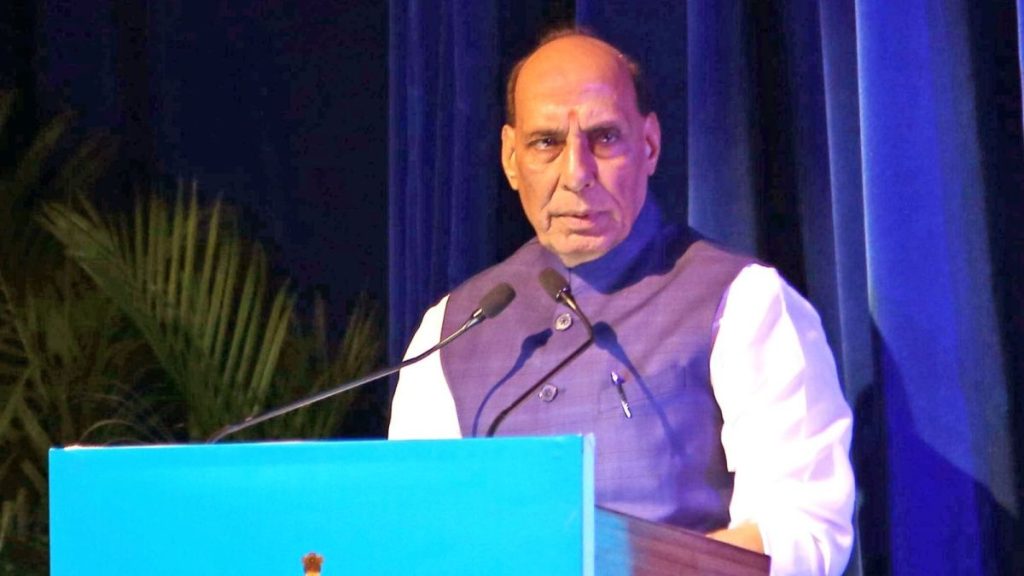
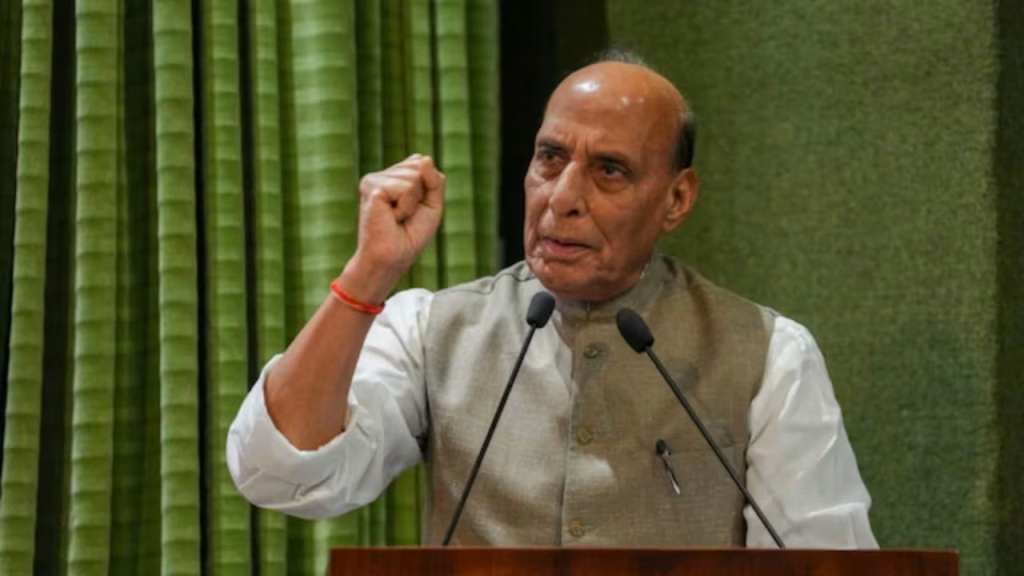
Minister Rajnath Singh Warns Global attention has once again turned toward the Middle East as geopolitical tensions continue to escalate. Amid this uncertain environment, Rajnath Singh, India’s Defence Minister, expressed serious concern about the rapidly evolving security situation in the region. Speaking during a public address and discussions on global security, Minister Rajnath Singh Warns that the current developments in the Middle East have become extremely complicated and require careful monitoring by the international community.
The Middle East has long been one of the most sensitive geopolitical regions in the world, often witnessing conflicts, military confrontations, and diplomatic crises. As tensions rise between countries such as Israel and Iran, the possibility of wider instability has become a matter of concern for governments worldwide. In this context, Minister Rajnath Singh Warns that the evolving crisis could have far-reaching consequences not only for the region but also for global peace and economic stability.
Growing Concerns Over Middle East Stability
The Middle East has witnessed several political and military confrontations in recent years. Ongoing tensions, military operations, and diplomatic disputes have created a fragile environment that can escalate rapidly.
Addressing these developments, Minister Rajnath Singh Warns that the situation must not be underestimated. According to him, the region’s instability has the potential to affect global security frameworks, international trade routes, and energy supplies.
The Defence Minister emphasized that countries around the world must remain vigilant and promote dialogue rather than confrontation. In his remarks, Minister Rajnath Singh Warns that prolonged conflict could disrupt international peace and create humanitarian crises across the region.
India Strategic Interest in the Middle East
India shares deep economic, cultural, and strategic ties with several Middle Eastern nations. Millions of Indians live and work in countries across the Gulf region, making stability there extremely important for India.
Because of these connections, Minister Rajnath Singh Warns that any major conflict in the Middle East could directly affect India’s interests. Energy security is one of the most significant concerns, as India imports a large portion of its oil from countries in the region.
Furthermore, trade routes through the Middle East play a vital role in global commerce. If tensions escalate into large-scale conflict, these routes could be disrupted. For this reason, Minister Rajnath Singh Warns that the international community must work together to prevent further escalation.
Global Security Implications
Security analysts believe that the current tensions could have global consequences. The Middle East has historically been linked to broader geopolitical rivalries involving major powers.
In his remarks, Minister Rajnath Singh Warns that instability in the region could trigger a chain reaction affecting multiple countries. Military confrontations, economic sanctions, and diplomatic breakdowns could intensify existing global divisions.
He stressed that the world is already facing numerous challenges such as economic uncertainty, regional conflicts, and climate-related crises. Adding another major conflict could destabilize international relations further. Therefore, Minister Rajnath Singh Warns that global leaders must prioritize diplomacy and cooperation.
Impact on Global Economy
Another key concern raised by the Defence Minister relates to the economic consequences of escalating tensions. The Middle East is a critical hub for energy production and global trade.
If hostilities intensify, oil prices could rise dramatically, affecting economies worldwide. Shipping routes through the region could also face disruptions, leading to higher transportation costs and supply chain challenges.
Highlighting these risks, Minister Rajnath Singh Warns that prolonged instability could create economic shocks across global markets. Countries dependent on energy imports would face particular challenges.
He emphasized that maintaining peace in the region is essential for global economic stability. Once again, Minister Rajnath Singh Warns that the international community must take proactive steps to prevent escalation.
Diplomatic Efforts and Dialogue
While acknowledging the seriousness of the situation, India continues to support diplomatic solutions to international conflicts. The country has consistently advocated peaceful negotiations and respect for international law.
In his remarks, Minister Rajnath Singh Warns that military escalation should not become the primary method for resolving disputes. Instead, nations must invest in diplomatic dialogue and confidence-building measures.

India has maintained balanced relationships with many countries in the Middle East, allowing it to play a constructive role in promoting stability. According to observers, such diplomatic engagement could become increasingly important if tensions continue to rise.
In this context, Minister Rajnath Singh Warns that cooperation between nations is the only sustainable path toward long-term peace.
Security Preparedness and Strategic Awareness
Defence leaders worldwide closely monitor global conflicts to assess potential security implications. India is no exception.
Addressing defence preparedness, Minister Rajnath Singh Warns that the country must remain alert to international developments. Although the current tensions are geographically distant, their consequences could influence regional security dynamics.
India’s defence forces regularly analyze global strategic developments to ensure national security readiness. Through advanced surveillance systems, intelligence cooperation, and diplomatic engagement, the country remains prepared to respond to emerging challenges.
Once again, Minister Rajnath Singh Warns that vigilance is essential in an increasingly interconnected world.
The Role of International Organizations
Global institutions such as the United Nations play a crucial role in managing international conflicts and promoting peaceful resolutions.
The Defence Minister highlighted the importance of multilateral cooperation in addressing crises. According to him, international organizations must work actively to prevent conflicts from escalating.
In his remarks, Minister Rajnath Singh Warns that collective diplomatic efforts are essential for maintaining global stability. Countries must support peace initiatives and encourage dialogue among conflicting parties.
Such cooperation could help reduce tensions and create opportunities for negotiation.
Regional Power Dynamics
The Middle East is home to several influential regional powers whose relationships often shape the region’s political landscape.
Strategic rivalries, ideological differences, and competing alliances contribute to the complexity of the region. These dynamics make conflict resolution particularly challenging.
Highlighting this reality, Minister Rajnath Singh Warns that the geopolitical situation has become highly complicated. Understanding the region’s diverse interests and historical tensions is essential for finding sustainable solutions.
The Defence Minister stressed that global powers must exercise restraint and avoid actions that could intensify existing rivalries.
Humanitarian Concerns
Beyond political and military considerations, rising tensions also raise serious humanitarian concerns.
Conflict often leads to displacement, loss of life, and severe economic hardship for civilians. International humanitarian organizations frequently struggle to provide assistance in conflict zones.
Addressing these concerns, Minister Rajnath Singh Warns that prolonged instability could result in major humanitarian crises. Protecting civilian lives must remain a top priority during any conflict situation.
He urged the international community to ensure that humanitarian aid reaches affected populations and that human rights are respected.
India’s Balanced Foreign Policy
India’s foreign policy has traditionally emphasized strategic autonomy and balanced diplomatic relationships. This approach allows the country to maintain constructive ties with multiple nations.
In the context of Middle East tensions, Minister Rajnath Singh Warns that India must carefully navigate complex geopolitical realities while safeguarding its national interests.
India continues to support peaceful coexistence and cooperation among nations. By maintaining open channels of communication with various countries, the government aims to contribute positively to global stability.
Through this approach, Minister Rajnath Singh Warns that dialogue remains the most effective path toward conflict resolution.
Global Community’s Responsibility
As conflicts grow more interconnected, the responsibility for maintaining peace extends beyond individual nations.
The Defence Minister emphasized that global challenges require collective solutions. International cooperation is essential to address security threats, economic instability, and humanitarian crises.
In his statement, Minister Rajnath Singh Warns that the international community must act responsibly to prevent escalation. Diplomatic engagement, conflict prevention strategies, and trust-building measures are necessary to maintain stability.
Conclusion
The escalating tensions in the Middle East have raised serious concerns across the world. Governments, international organizations, and security experts are closely monitoring developments as the situation continues to evolve.
Through his remarks, Minister Rajnath Singh Warns that the current geopolitical environment has become extremely complex and requires careful attention. The potential consequences extend far beyond the region, affecting global security, economic stability, and humanitarian conditions.
India, like many other nations, hopes that diplomatic efforts will succeed in reducing tensions and preventing further conflict. Dialogue, cooperation, and responsible leadership will play crucial roles in shaping the future.
As global uncertainty continues, one message remains clear from India’s Defence Minister: Minister Rajnath Singh Warns that the world must work together to ensure peace, stability, and security in an increasingly volatile international landscape.
Read More latest news

