
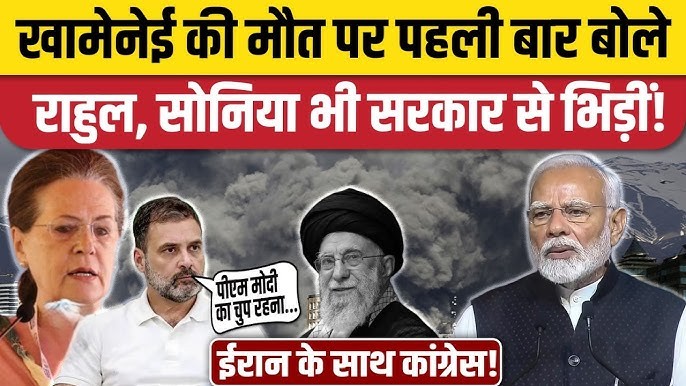
Sonia Questions PM’s Silence on Khamenei Issue: Debate Over India’s Foreign Policy
PM silence on Khamenei Death The Indian political landscape has once again witnessed a heated debate after senior Congress leader Sonia Gandhi raised serious questions over what she described as the PM silence on Khamenei issue. The controversy revolves around reports circulating internationally about the alleged death of Iran’s Supreme Leader Ali Khamenei and the perceived lack of a clear response from Indian Prime Minister Narendra Modi.
Sonia Gandhi criticized the central government for not clarifying India’s position regarding such a significant global development. According to her, the PM silence on Khamenei reflects uncertainty in India’s diplomatic messaging and raises questions about the country’s commitment to international law and sovereignty.
At the same time, Congress leader Rahul Gandhi also voiced concern, suggesting that the PM silence on Khamenei could signal deeper issues in India’s foreign policy direction. The debate has triggered widespread discussion among diplomats, political analysts, and global affairs observers about how India should respond to sensitive international developments.
Background: Reports Surrounding Ali Khamenei
Reports about the alleged death or targeted killing of Iran’s Supreme Leader created a wave of speculation across global media. Although such reports remain controversial and widely debated, they sparked intense geopolitical reactions.
As the highest authority in Iran’s political and religious system, Ali Khamenei holds enormous power. Any development related to him would significantly impact the Middle East and global geopolitics. Because of this, many expected major world leaders to issue official responses.
However, critics argue that the PM silence on Khamenei has been unusually noticeable given India’s long-standing diplomatic relations with Iran.
India has historically maintained balanced ties with both Western nations and Middle Eastern powers. This diplomatic balancing act has often required careful statements during crises. Yet opposition leaders claim the PM silence on Khamenei sends a confusing signal about India’s diplomatic stance.
Sonia Gandhi’s Criticism of the Government
Sonia Gandhi openly criticized the government’s response, stating that the PM silence on Khamenei is troubling in the context of international diplomacy.
She argued that India should clearly oppose any targeted killing of a foreign leader if such reports are confirmed. According to her, respect for sovereignty and adherence to international law must remain central to India’s foreign policy.
During her statement, Sonia Gandhi emphasized that the PM silence on Khamenei undermines India’s moral authority on the global stage. She also warned that avoiding such issues could weaken the country’s image as a responsible global power.
Her remarks highlighted several concerns:
- India must uphold international law
- Targeted killings of global leaders raise serious ethical questions
- Silence from major democracies can be interpreted as tacit approval
Because of these factors, Sonia Gandhi insisted that the PM silence on Khamenei requires immediate clarification.
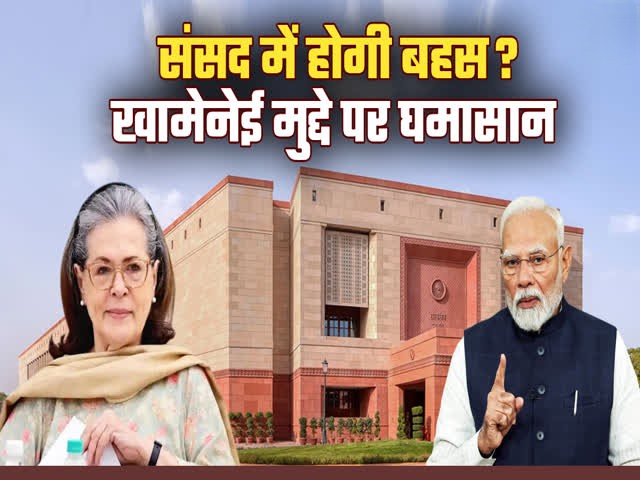
Rahul Gandhi Raises Foreign Policy Concerns
Rahul Gandhi also entered the debate, expressing concern about India’s diplomatic direction. He argued that the PM silence on Khamenei could harm India’s credibility in international affairs.
According to Rahul Gandhi, India’s foreign policy must remain transparent and consistent. He suggested that when global events involve issues of sovereignty or targeted assassinations, India should clearly communicate its stance.
He further stated that the PM silence on Khamenei raises questions about whether India is hesitant to take positions on controversial global matters.
Rahul Gandhi’s comments have fueled political debate across the country, with analysts discussing whether the PM silence on Khamenei represents caution or diplomatic ambiguity.
Government’s Possible Diplomatic Strategy
Supporters of the government argue that the PM silence on Khamenei may actually reflect a deliberate diplomatic strategy rather than neglect.
Foreign policy experts often point out that governments sometimes avoid immediate reactions until facts are confirmed. Sensitive geopolitical developments require careful analysis, especially when they involve powerful nations or regional conflicts.
There are several possible reasons behind the PM silence on Khamenei:
1. Avoiding Premature Statements
Global reports about political leaders can sometimes be inaccurate or unverified. The government may have chosen restraint until reliable information becomes available.
2. Maintaining Diplomatic Balance
India maintains strategic relationships with multiple countries in the Middle East, including Iran, Israel, Saudi Arabia, and the United States. A strong statement could potentially disrupt delicate diplomatic relationships.
3. Strategic Neutrality
India has often followed a policy of strategic neutrality in international conflicts. The PM silence on Khamenei may simply reflect this long-standing diplomatic tradition.
India–Iran Relations
India and Iran share centuries-old cultural and economic connections. The two countries cooperate in several areas including energy trade, regional connectivity, and geopolitical dialogue.
One of the most significant projects linking the two nations is the development of Iran’s Chabahar Port, which allows India to access Afghanistan and Central Asia without relying on Pakistan.
Because of these ties, any development involving Iran’s leadership is closely watched in India. Critics say that the PM silence on Khamenei becomes even more significant given the strategic importance of India–Iran relations.
At the same time, India must carefully balance its relations with Western countries and Gulf nations, making foreign policy decisions particularly complex.
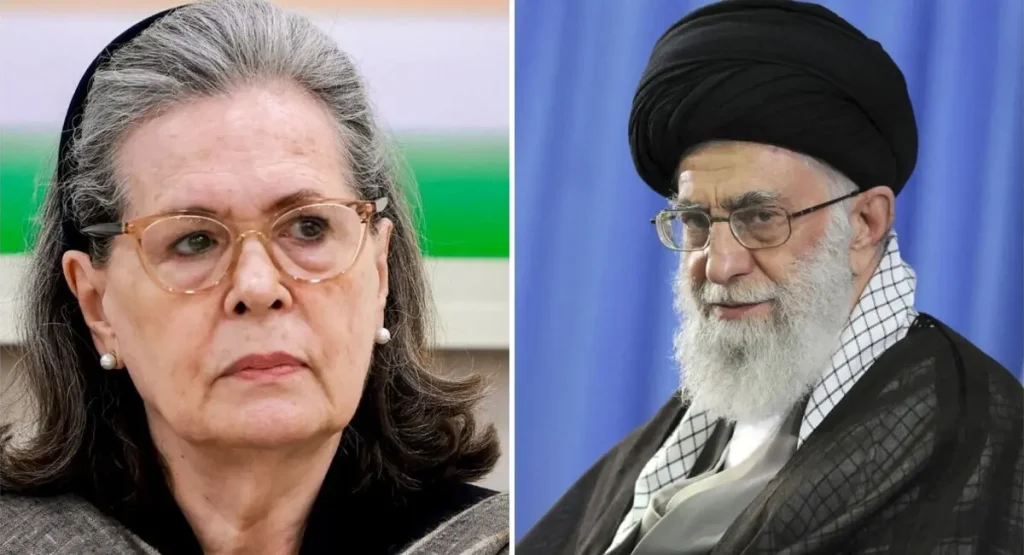
International Reactions to the Controversy
The global community has responded cautiously to the reports surrounding Ali Khamenei. Some countries have issued statements urging respect for sovereignty and international law, while others have avoided public comments.
The debate within India regarding the PM silence on Khamenei mirrors broader global discussions about how nations should respond to alleged targeted killings of political leaders.
International law experts emphasize that such actions raise serious questions under global legal frameworks.
For this reason, critics argue that the PM silence on Khamenei should eventually be replaced by a clear diplomatic position.
Political Debate in India
The controversy surrounding the PM silence on Khamenei has become a major political talking point in India.
Opposition parties have accused the government of avoiding difficult questions on foreign policy. Meanwhile, supporters of the ruling party argue that responsible diplomacy requires careful consideration before making statements.
Political analysts believe the debate over the PM silence on Khamenei highlights deeper differences in how political parties view India’s global role.
Some believe India should adopt a stronger moral stance on international issues, while others argue that pragmatic diplomacy should take priority.
The Importance of Clear Foreign Policy Messaging
Foreign policy experts often stress that communication plays a crucial role in international diplomacy.
Clear statements help:
- reassure allies
- clarify national positions
- prevent misunderstandings
Because of this, critics argue that the PM silence on Khamenei could lead to speculation about India’s intentions.
However, defenders of the government insist that silence sometimes allows diplomats to negotiate quietly behind the scenes.
Media and Public Reaction
The issue of the PM silence on Khamenei has also generated widespread discussion across television debates, newspapers, and social media platforms.
Some commentators support Sonia Gandhi’s call for clarity, arguing that India should publicly defend international law.
Others believe the government is wisely avoiding unnecessary controversy by maintaining the PM silence on Khamenei until more information becomes available.
Public opinion appears divided, reflecting broader political divisions within the country.
Strategic Implications for India
If reports about Iran’s leadership prove accurate, the geopolitical consequences could be significant.
Iran plays a crucial role in:
- Middle Eastern security dynamics
- global energy markets
- regional political alliances
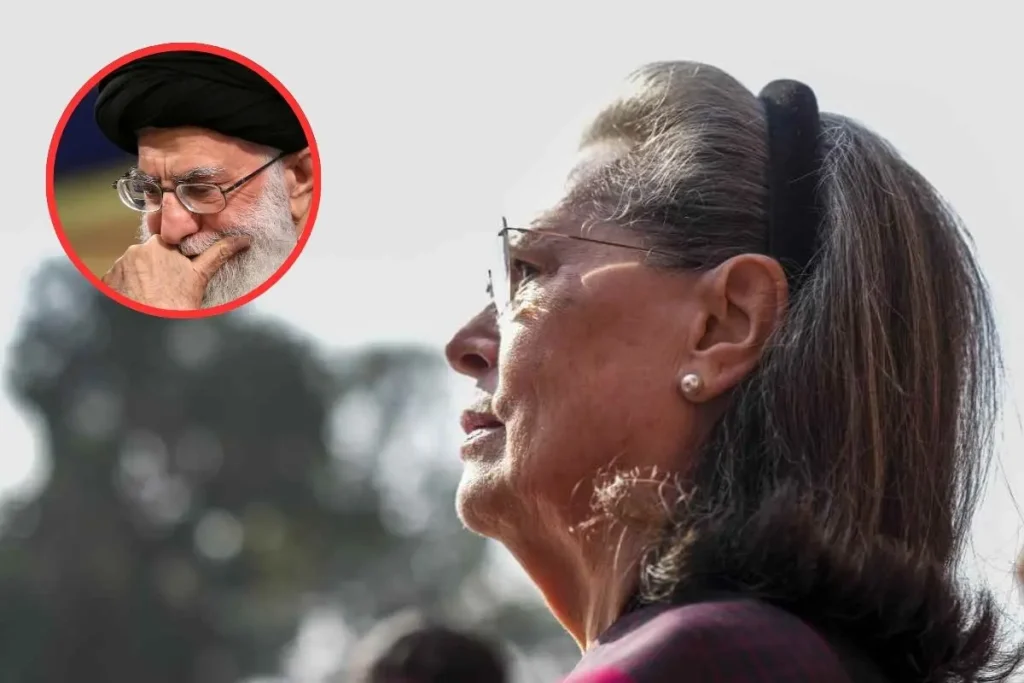
Any change in Iran’s leadership could alter the balance of power in the region. In this context, the PM silence on Khamenei becomes even more significant because India must carefully manage its diplomatic relationships.
Conclusion
The debate sparked by Sonia Gandhi’s criticism highlights the importance of transparency and clarity in foreign policy. By questioning the PM silence on Khamenei, the opposition has opened a wider discussion about India’s global role and diplomatic priorities.
While some view the PM silence on Khamenei as a failure to respond to a major international development, others see it as a calculated diplomatic approach designed to protect India’s strategic interests.
As global events continue to evolve, the government may eventually clarify its position. Until then, the issue of the PM silence on Khamenei will likely remain a subject of political debate and international analysis.
Ultimately, this controversy demonstrates how global geopolitics can quickly influence domestic political discussions. Whether the PM silence on Khamenei proves to be caution or hesitation, it has already become a focal point in the ongoing debate about India’s foreign policy direction.
Read More latest news

