

Saudi Arabia Emerged Key Player in India-US Tensions, Replacing Russia in the Oil “Game”
Saudi Arabia emerged key player In the evolving landscape of global geopolitics, energy has once again taken center stage. The delicate balance between economic interests, strategic partnerships, and national sovereignty has become more complex than ever. At the heart of this dynamic lies a compelling shift in global oil diplomacy—Saudi Arabia emerged key player in the India-US tensions, stepping into a strategic space once dominated by Russia.
As trade relations between India and the United States faced friction following statements and tariff measures by US President Donald Trump over India’s continued purchase of Russian oil, a recalibration in energy diplomacy began to unfold. In this shifting matrix, Saudi Arabia emerged key player, reshaping the global oil “game” and redefining India’s strategic energy calculus.
The Backdrop: India-US Trade Strain
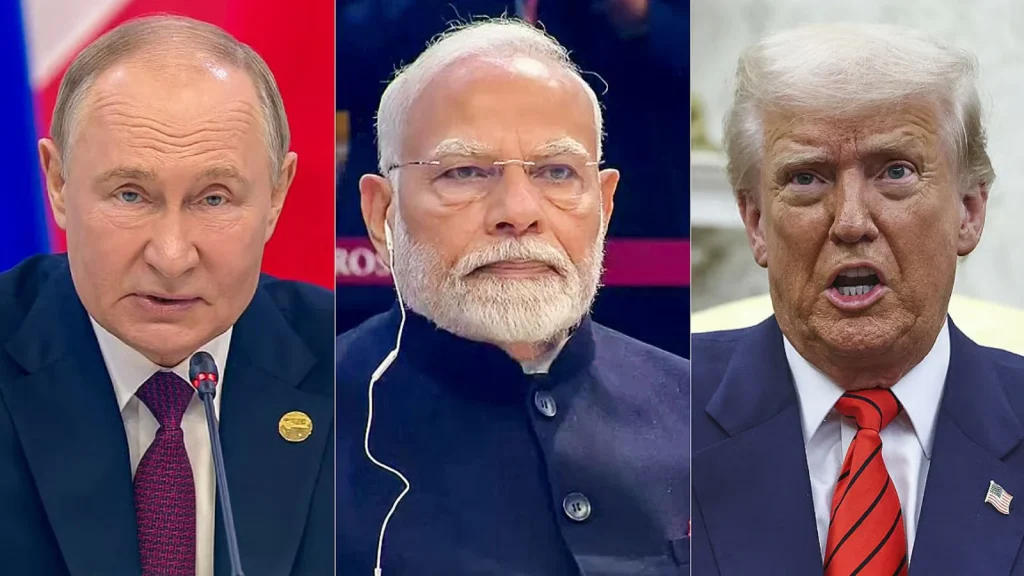
The tension began when US President Donald Trump voiced dissatisfaction over India’s sustained imports of discounted Russian crude. After the Russia-Ukraine conflict disrupted global supply chains, India had capitalized on competitive pricing from Moscow to secure energy stability. However, Washington viewed this development through a geopolitical lens.
The United States imposed additional tariffs on select Indian goods, signaling its displeasure. This move added stress to India-US trade relations, already navigating sensitive terrain in defense, technology, and energy cooperation.
Amid this turbulence, Saudi Arabia emerged key player, offering a diplomatic and economic alternative that could soften the strain between New Delhi and Washington.

India’s Energy Imperative
India is the world’s third-largest oil importer. With a rapidly growing economy and increasing industrialization, the country’s energy demand continues to surge. Affordable and reliable oil supplies are not just an economic necessity—they are a strategic imperative.
For months, Russia had provided India with discounted crude oil. However, as geopolitical pressures intensified, New Delhi began recalibrating its procurement strategy. It was at this critical juncture that Saudi Arabia emerged key player, stepping in with competitive pricing, flexible payment structures, and long-term supply assurances.
Saudi Arabia’s Strategic Positioning
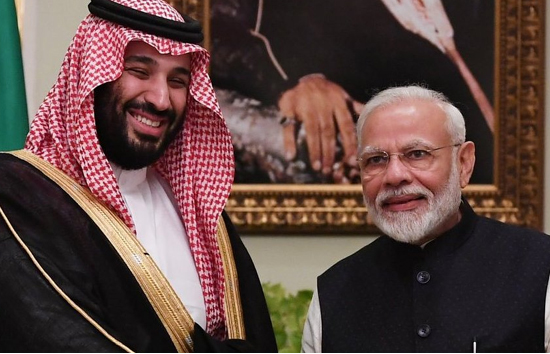
Under the leadership of Crown Prince Mohammed bin Salman, Saudi Arabia has pursued a policy of diversified global partnerships. The Kingdom’s oil giant, Saudi Aramco, remains one of the most influential energy corporations in the world.
As India sought alternatives to mitigate US pressure, Saudi Arabia emerged key player, offering increased crude allocations. This was not merely a commercial transaction—it was a strategic maneuver.
By expanding exports to India, Riyadh strengthened its position in South Asia while aligning with broader global energy realignments. The Kingdom recognized that in a world of shifting alliances, energy diplomacy offers unparalleled leverage.
Replacing Russia in the Oil “Game”
For decades, Russia has been a dependable energy partner for India. However, geopolitical realities changed the equation. Sanctions, financial restrictions, and diplomatic sensitivities complicated Russian oil transactions.
Gradually, Saudi Arabia emerged key player, filling supply gaps and stabilizing India’s energy imports. While Russia did not disappear from the equation, its dominance in India’s oil basket began to decline.
This transition was subtle yet significant. Instead of openly abandoning Russian supplies, India diversified its portfolio. In this diversification strategy, Saudi Arabia emerged key player, ensuring energy security without escalating tensions with Washington.
US Perspective: Strategic Calculations
The United States has long encouraged allies to reduce dependence on Russian energy. From Washington’s standpoint, India’s purchases of Russian crude diluted the impact of Western sanctions.
When tariffs were introduced, it sent a message that trade and geopolitics are deeply intertwined. However, as Saudi Arabia emerged key player, the US found a more palatable solution—India could maintain energy security while reducing reliance on Moscow.
This arrangement aligned with broader US interests in stabilizing global oil markets and supporting Gulf allies. Thus, even amid tensions, a diplomatic workaround began to take shape.
The Geopolitical Triangle: India, US, and Saudi Arabia
The triangular relationship between India, the United States, and Saudi Arabia is not new. However, recent developments elevated Riyadh’s strategic relevance.
Historically, Russia was a pillar of India’s energy imports. But as the oil “game” evolved, Saudi Arabia emerged key player, transforming from a major supplier into a geopolitical stabilizer.
For India, this meant:
- Reduced exposure to sanctions risk
- Improved diplomatic balance with Washington
- Continued access to affordable crude
For the US, it meant:
- Limiting Russia’s economic leverage
- Strengthening alliances in the Gulf
- Preserving strategic ties with India
In this recalibration, Saudi Arabia emerged key player, bridging competing interests without overt confrontation.
Economic Implications for India
Energy costs significantly influence India’s inflation, fiscal deficit, and currency stability. Any disruption in oil imports could trigger cascading economic effects.
When tariffs were imposed by the US, concerns grew about broader trade repercussions. Yet as Saudi Arabia emerged key player, India found room to maneuver.
Saudi crude, while not always as discounted as Russian oil, offered stability. Long-term contracts and reliable shipping routes reduced volatility. This predictability reassured investors and policymakers alike.
Thus, beyond geopolitics, Saudi Arabia emerged key player in protecting India’s macroeconomic stability.
Saudi Arabia’s Broader Vision
Saudi Arabia’s Vision 2030 aims to diversify its economy and enhance global influence. Expanding strategic ties with India aligns perfectly with this ambition.
India is not only a major oil consumer but also a key partner in infrastructure, technology, and investment. As Saudi Arabia emerged key player, the relationship expanded beyond oil into petrochemicals, renewable energy, and strategic investments.
Riyadh’s proactive diplomacy demonstrated that energy partnerships can evolve into comprehensive strategic alliances.
The Decline of Russian Dominance
While Russia remains an important partner, the shift in India’s oil basket marks a turning point. Sanctions and geopolitical pressures limited Moscow’s maneuverability.
In contrast, Saudi Arabia emerged key player, offering flexibility and political neutrality in the India-US equation.
This does not signal the end of India-Russia ties. Instead, it reflects a pragmatic diversification strategy. India’s foreign policy has always emphasized multi-alignment. In this context, Saudi Arabia emerged key player, complementing rather than replacing existing partnerships entirely.
Oil as a Tool of Diplomacy
Energy has historically been a powerful diplomatic instrument. The oil embargoes of the 1970s reshaped global politics. Today, a similar dynamic is visible, albeit more nuanced.
As tensions flared between India and the US, Saudi Arabia emerged key player, using oil diplomacy to stabilize relationships.
By ensuring consistent supply flows, Riyadh indirectly eased trade tensions. The Kingdom positioned itself as a reliable partner capable of navigating complex geopolitical currents.
The Future of the Oil “Game”
The global energy landscape is evolving. Renewable energy is gaining momentum, yet oil remains indispensable for the foreseeable future.
In this transitional era, supply chains are increasingly influenced by geopolitics. The India-US tension over Russian oil underscores how interconnected trade and diplomacy have become.
Within this intricate web, Saudi Arabia emerged key player, demonstrating agility and strategic foresight.
Looking ahead:
- India will continue diversifying energy sources.
- The US will seek alignment with allies on sanctions.
- Saudi Arabia will leverage its central position in global oil markets.
And in each of these trajectories, Saudi Arabia emerged key player as a defining theme of this geopolitical chapter.
Strategic Autonomy and India’s Balancing Act
India’s foreign policy doctrine emphasizes strategic autonomy. Rather than choosing sides, New Delhi navigates multiple partnerships simultaneously.
The strain caused by tariffs could have escalated. However, as Saudi Arabia emerged key player, India maintained equilibrium.
By increasing Saudi imports without abruptly halting Russian purchases, India demonstrated diplomatic finesse. This balancing act ensured energy security while minimizing geopolitical fallout.
Conclusion: A New Chapter in Energy Diplomacy
The oil “game” is no longer a simple transaction between buyer and seller. It is a multidimensional chessboard where economics, politics, and strategy intersect.
When tensions surfaced between India and the United States, few anticipated that Riyadh would play such a decisive role. Yet time and again, Saudi Arabia emerged key player, recalibrating alliances and stabilizing energy flows.
From mitigating trade tensions to reshaping India’s oil import strategy, Saudi Arabia emerged key player in a transformative moment for global energy politics.
As the world watches the evolving dynamics among Washington, New Delhi, and Riyadh, one thing is clear: in the modern era of geopolitical maneuvering, energy diplomacy remains a powerful force—and once again, Saudi Arabia emerged key player in defining its trajectory.
Read more latest news

