
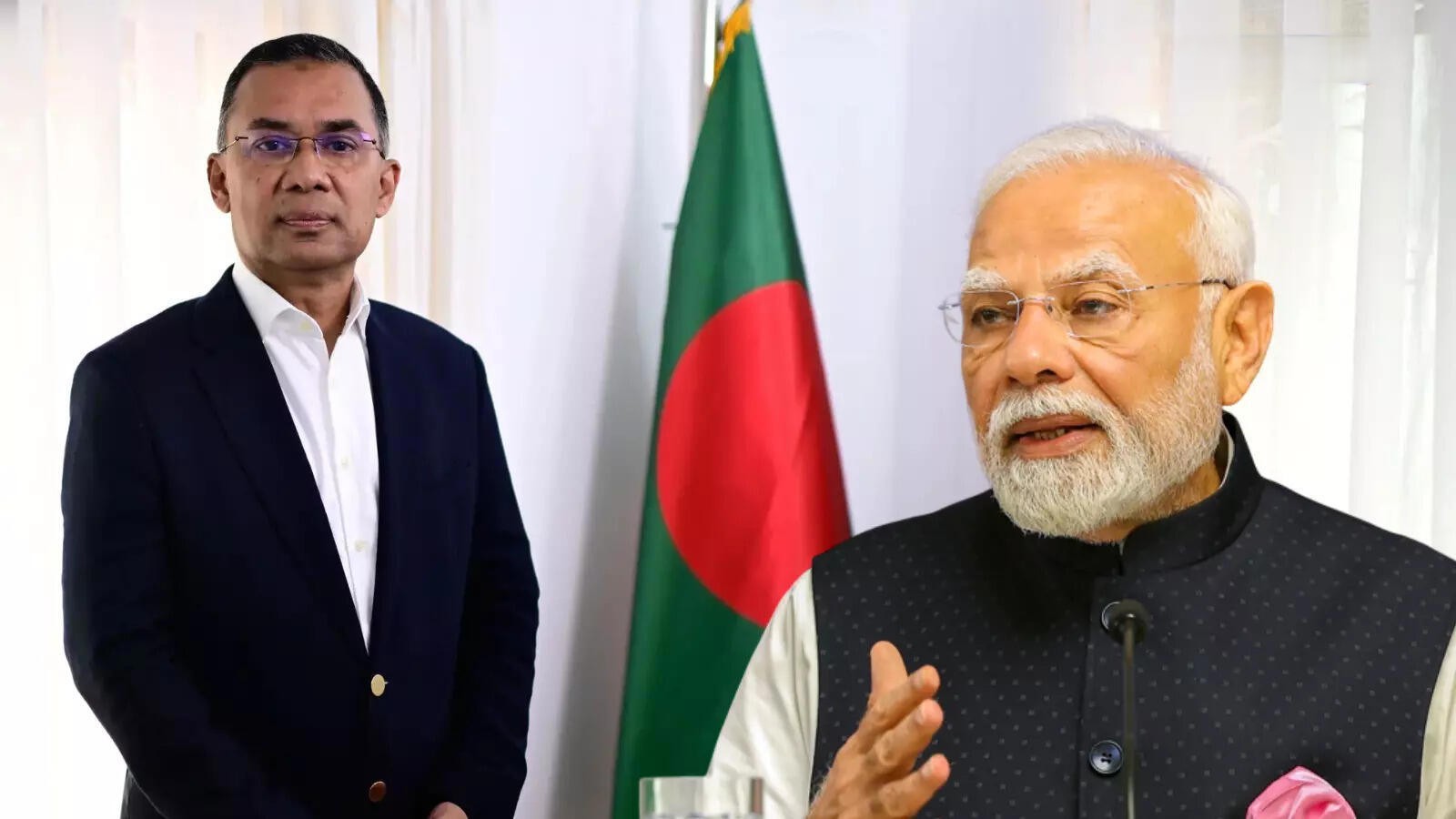
BNP Softens Stance Toward India After Historic Victory, Signals Bangladesh in Reset Mode
Bangladesh in reset mode The recent political developments in Bangladesh have triggered significant diplomatic recalibrations across South Asia. Following the historic electoral success of the Bangladesh Nationalist Party (BNP), Dhaka has begun softening its tone toward India, placing Bangladesh in reset mode in terms of regional diplomacy.
This shift marks a notable departure from earlier rhetoric that often carried undertones of tension and political caution. With the BNP’s victory reshaping the country’s political landscape, policymakers in Dhaka appear ready to reassess bilateral priorities, signaling that Bangladesh in reset mode may redefine its engagement strategy with New Delhi.
The phrase Bangladesh in rest mode is increasingly being used by analysts to describe this evolving approach. it reflects not only a tactical change but also a broader reassessment of political realities following the BNP’s manate.
A Historic Victory and Its Regional Implications
The BNP’s electoral triumph represents more than just a change in government; it signals a recalibration of Bangladesh’s internal and external priorities. For years, political rivalry within Bangladesh influenced its diplomatic posture. Now, with the BNP consolidating its position, observers believe Bangladesh in reset mode could pursue a pragmatic and interest-based foreign policy.
According to reports, Humayun Kabir, an advisor to Tarique Rahman, emphasized that Dhaka will determine its relationship with India based on “changed political realities.” His remarks underscore the idea that Bangladesh in reset mode is prepared to adapt to shifting domestic and regional circumstances rather than adhere to rigid ideological lines.
Kabir’s statement is being widely interpreted as a message of flexibility. Instead of revisiting past grievances, Dhaka appears willing to focus on economic cooperation, connectivity, and strategic engagement.
Why the Tone Shift Matters
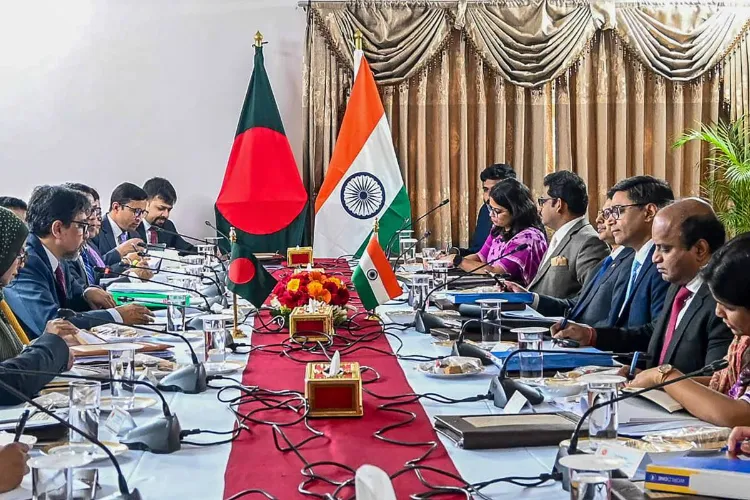
India and Bangladesh share a deep historical, cultural, and economic relationship. From trade corridors to energy cooperation and border management, the bilateral partnership has strategic importance for both nations. However, political transitions often introduce uncertainty.
The current signals suggest Bangladesh in reset mode seeks to reduce friction and rebuild confidence. Diplomatic language from Dhaka has become noticeably measured, emphasizing mutual respect and regional stability.
To understand why Bangladesh in reset mode matters, one must examine the economic dimension. India is one of Bangladesh’s largest trading partners. Cross-border infrastructure projects, power-sharing agreements, and transit arrangements have created strong interdependence. A softer stance indicates recognition of these realities.
Domestic Politics Driving Foreign Policy
Political transitions inevitably shape foreign policy. The BNP’s leadership appears keen to project stability and maturity on the international stage. By signaling Bangladesh reset mode, the new political order in Dhaka is conveying that its external engagements will be guided by national interest rather than partisan narratives.
Humayun Kabir’s remarks reflect this recalibration. He suggested that Bangladesh’s approach toward India will align with the new political context. This indicates a strategic acknowledgment that regional cooperation remains essential for economic growth and security.
Analysts note that Bangladesh reset mode could open avenues for renewed dialogue on longstanding issues such as water sharing, trade imbalances, and border management.
Economic Considerations at the Core
Bangladesh’s economy has experienced rapid growth over the past decade. Maintaining that trajectory requires stable regional relationships. In this context, Bangladesh reset mode may prioritize economic diplomacy over political rhetoric.
India’s northeastern states rely heavily on connectivity through Bangladesh. Simultaneously, Bangladeshi exporters benefit from access to Indian markets. A stable bilateral framework is therefore mutually advantageous.
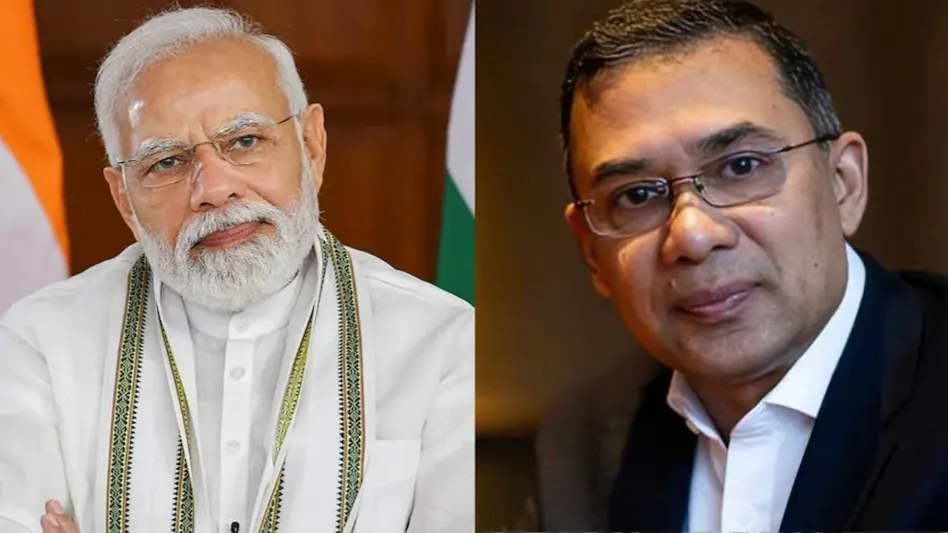
Critics argue Bangladesh in reset mode might be a temporary tactical move. However, supporters insist Bangladesh in reset mode is a strategic necessity in a volatile geopolitical environment.
Security and Strategic Balance
Security cooperation between the two nations has historically been significant. Counterterrorism efforts, intelligence sharing, and coordinated border management have strengthened mutual trust. Dhaka appears firmly Bangladesh in reset mode as it recalibrates these security dimensions.
Policy circles suggest Bangladesh in reset mode has become a balancing act — maintaining sovereignty while fostering cooperation. The region watches Bangladesh reset mode closely, as its choices will influence South Asian geopolitics.
India, for its part, has welcomed signals of constructive engagement. Diplomatic channels remain open, and early indications suggest a willingness on both sides to prioritize dialogue over discord.
Public Perception and Political Messaging
Political messaging plays a crucial role in shaping bilateral narratives. The BNP’s softer tone may also reflect awareness of public opinion. Economic prosperity and regional connectivity often resonate more strongly with citizens than political confrontation.
If Bangladesh in reset mode succeeds in delivering tangible economic gains, public support for improved India relations could strengthen. Should Bangladesh reset mode falter, however, opposition voices may question the strategy.
Ultimately, Bangladesh reset mode underscores the interplay between domestic politics and international diplomacy.
Regional and Global Context
South Asia’s geopolitical environment is increasingly complex. Major powers are competing for influence, infrastructure investments are reshaping connectivity, and economic alliances are evolving. In such a scenario, Bangladesh in reset mode could position itself as a pragmatic regional actor.
For India, Bangladesh in reset mode offers an opportunity to consolidate gains in connectivity and trade. For South Asia, Bangladesh reset mode may contribute to a more stable regional architecture.
Many analysts believe Bangladesh reset mode represents a recognition that economic interdependence outweighs political rivalry. The coming months will test whether Bangladesh in reset mode delivers substantive policy changes or remains largely rhetorical.
The Role of Leadership
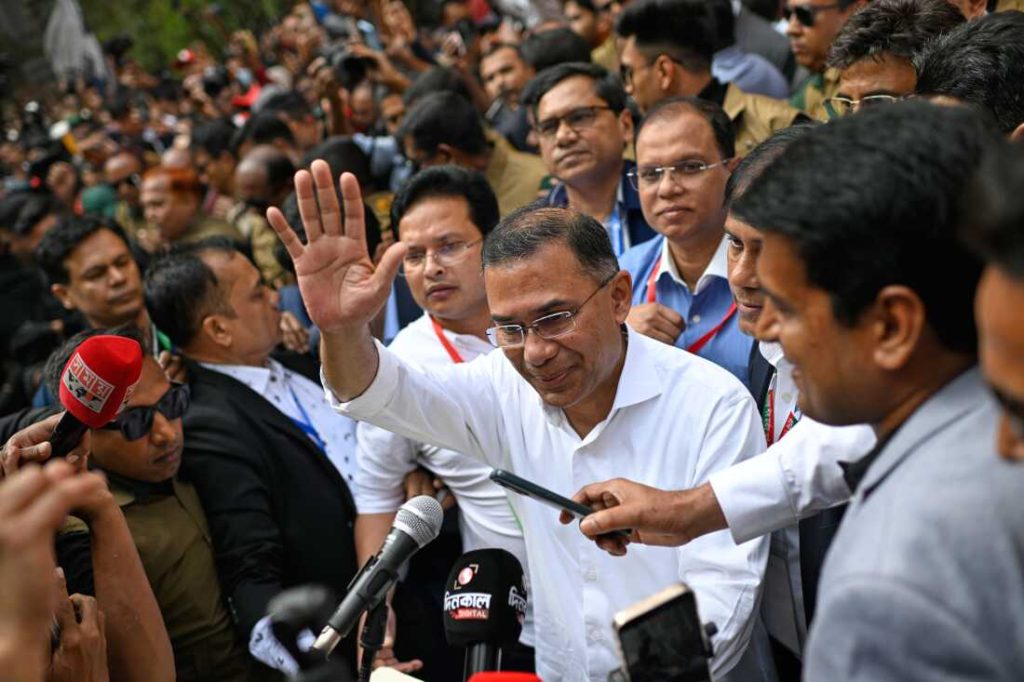
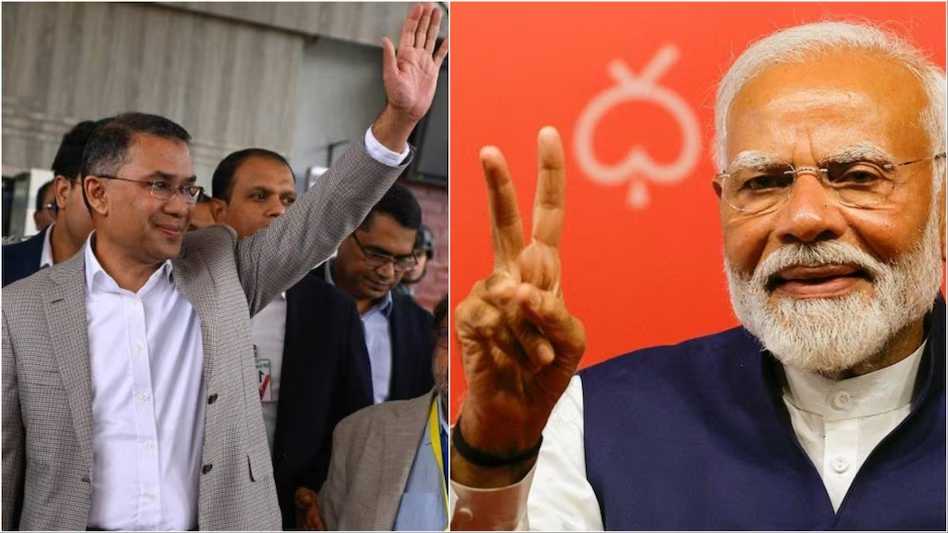
Leadership transitions often define diplomatic direction. Tarique Rahman’s advisory team, including Humayun Kabir, appears focused on projecting continuity alongside change. Their messaging indicates Bangladesh in reset mode aims to create predictability rather than uncertainty.
Diplomatic observers suggest that consistent communication and early high-level engagements will determine the durability of this shift. Bangladesh in reset mode must translate words into policy actions, including trade facilitation and collaborative infrastructure development.
Challenges Ahead
Despite optimism, challenges remain. Historical sensitivities, border disputes, and domestic political pressures could complicate progress. Bangladesh in reset mode must navigate these complexities carefully.
Economic negotiations, water-sharing agreements, and migration issues require sustained diplomatic effort. Any misstep could test the resilience of Bangladesh in reset mode.
However, the broader trajectory appears constructive. Dhaka’s recalibrated tone indicates recognition of shared interests with India.
Conclusion: A Defining Moment in Bilateral Relations
The BNP’s historic victory has undoubtedly reshaped Bangladesh’s political landscape. With Dhaka softening its stance toward India, the narrative of Bangladesh in reset mode has gained prominence across diplomatic and policy discussions.
Whether this reset evolves into a long-term partnership framework will depend on pragmatic decision-making, consistent dialogue, and mutual trust. The story of Bangladesh in reset mode is still unfolding.
Read more latest news.

