
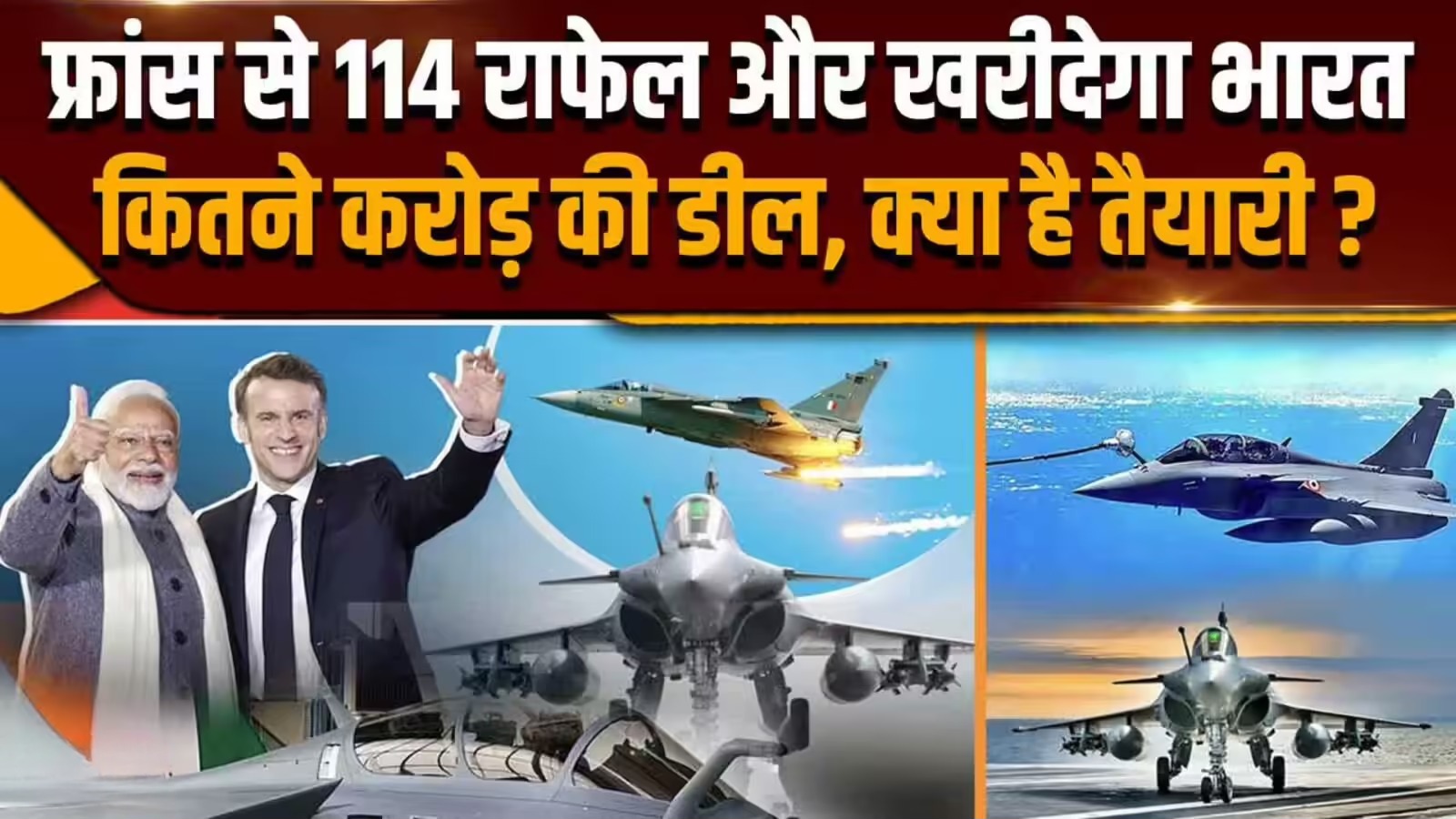
Rafale Deal India: DAC Approval Possible on Mega Defense Deal Worth Rs 3.25 Lakh Crore for 114 Fighter Jets
India’s defense modernization program is entering a decisive phase as the Defence Acquisition Council Rafale deal India (DAC) is expected to approve a mega defense deal worth approximately Rs 3.25 lakh crore for the procurement of 114 multi-role fighter jets. This ambitious move is seen as a major step toward strengthening the Indian Air Force (IAF), which has long faced concerns over declining squadron strength and emerging regional security challenges. At the center of discussions is the possibility that the Rafale deal India framework could once again shape the future of India’s air power.
The proposed acquisition is not merely a purchase; it represents a strategic transformation of India’s aerial combat capabilities. As tensions with China along the Line of Actual Control (LAC) continue and Pakistan maintains a robust air defense posture with Chinese support, India is keen on reinforcing its deterrence capacity. The Rafale deal India narrative has already proven its importance in redefining the IAF’s operational readiness, and this new development could elevate India’s air superiority ambitions to the next level.
Why the 114 Fighter Jet Deal Matters
The Indian Air Force currently operates around 30 squadrons, significantly below its sanctioned strength of 42 squadrons. Aging aircraft like the MiG-21 are being phased out, creating an urgent need for modern replacements. The proposed 114 fighter jet acquisition aims to fill this critical gap and ensure that the IAF can effectively handle a two-front war scenario involving China and Pakistan.
The earlier Rafale deal India procurement of 36 jets significantly enhanced the IAF’s strike capabilities. Equipped with advanced radar systems, Meteor air-to-air missiles, and SCALP cruise missiles, Rafale jets have already changed the strategic equation in South Asia. Expanding this capability through a larger procurement would ensure long-term air dominance.
The DAC approval, once granted, will initiate the next stage of negotiations and technical evaluations. Several global aerospace giants are likely to participate, but the Rafale deal India option remains one of the strongest contenders given its proven compatibility with Indian requirements.
Strategic Implications for China
China has significantly expanded its military footprint along the Indian border and has modernized the People’s Liberation Army Air Force (PLAAF) with advanced fighter jets like the J-20 stealth aircraft. India’s response must be proportionate and technologically advanced.
The Rafale deal India approach demonstrated how modern platforms equipped with cutting-edge avionics and long-range missile systems can tilt the balance. The Meteor missile, in particular, offers beyond-visual-range engagement capabilities superior to many regional counterparts.
If the new 114-jet deal follows the Rafale deal India model, it would send a strong strategic signal to Beijing that India is serious about maintaining aerial superiority. The presence of advanced fighters in northern and eastern sectors would significantly enhance India’s defensive and offensive postures.
Concerns for Pakistan
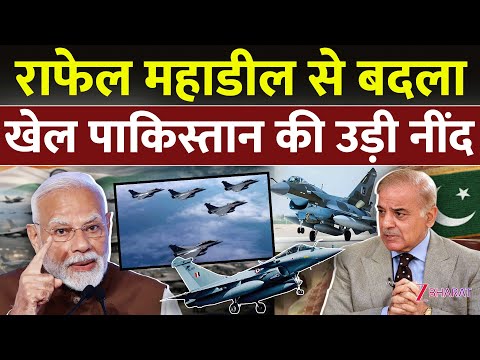
Pakistan’s air force has acquired JF-17 Thunder jets developed in collaboration with China and also operates F-16 aircraft supplied by the United States. While capable, these platforms face challenges against advanced fighters equipped with superior missile systems and electronic warfare capabilities.
The Rafale deal India experience after the Balakot airstrikes demonstrated the importance of technological edge in modern aerial combat. With superior radar and missile technology, Rafale aircraft give India a distinct advantage.

A larger fleet under the Rafale deal India expansion would further widen the capability gap, potentially altering the regional air power balance permanently.
Economic and Industrial Impact
The proposed Rs 3.25 lakh crore deal is not just a defense acquisition but also a major economic opportunity. The Indian government is pushing for “Make in India” and technology transfer components in all major defense contracts.
The Rafale deal India precedent included offset obligations and technology collaboration, contributing to domestic aerospace capabilities. If the new agreement includes significant local manufacturing, it could boost employment, technological expertise, and private sector participation.
Indian companies, both public and private, stand to gain through partnerships, joint ventures, and component manufacturing. The multiplier effect on the economy could be substantial.
Modern Warfare and Technological Edge
Modern air combat is not merely about speed and maneuverability. It involves network-centric warfare, data fusion, electronic warfare systems, and integration with ground-based defense networks.
The Rafale deal India introduced advanced sensor fusion capabilities that allow pilots to make rapid, informed decisions in combat situations. Such features are crucial in a high-intensity conflict scenario.
The 114-fighter jet acquisition could include next-generation technologies, ensuring interoperability with India’s existing fleet and air defense systems like the S-400.

The Role of the Defence Acquisition Council
The DAC plays a critical role in India’s defense procurement process. Its approval signals the government’s strategic intent and sets the procurement process in motion.
Given the urgency of strengthening the IAF, the DAC’s potential nod to a mega deal underscores the seriousness of India’s security concerns. The Rafale deal India approval in the past followed a similar structured process, emphasizing transparency and capability assessment.
Balancing Budget and Security
A Rs 3.25 lakh crore deal is undoubtedly a massive financial commitment. However, national security considerations often outweigh fiscal concerns, especially in a volatile geopolitical environment.
The Rafale deal India procurement faced debates over cost, but subsequent operational deployment validated its strategic value. Investing in air power is a long-term commitment to deterrence and sovereignty.
Two-Front War Preparedness
India’s defense planners have consistently highlighted the possibility of a two-front conflict involving China and Pakistan. Strengthening air power is critical to addressing such scenarios.
The Rafale deal India platform has proven its versatility in multiple roles—air superiority, ground attack, reconnaissance, and nuclear deterrence. Expanding such capability would ensure readiness across diverse mission profiles.
Regional Geopolitical Signal
A mega defense deal sends a powerful message not only to adversaries but also to allies and strategic partners. It reflects India’s commitment to safeguarding its interests and maintaining regional stability.
The Rafale deal India transformed India-France defense ties, enhancing strategic cooperation. A similar large-scale procurement could deepen international defense partnerships.
Indigenous Capability and Future Roadmap
While foreign procurement is necessary in the short term, India continues to develop indigenous platforms like the Tejas Light Combat Aircraft and the Advanced Medium Combat Aircraft (AMCA).
The Rafale deal India journey highlighted the importance of balancing imports with domestic production. Future contracts may emphasize joint production lines within India, reducing dependency on imports.
Operational Advantages for the IAF
The addition of 114 advanced fighter jets would significantly increase operational flexibility. It would allow the IAF to rotate squadrons effectively, maintain high readiness levels, and deploy aircraft strategically across different theaters.
The Rafale deal India aircraft have already demonstrated their capability in diverse terrains—from desert bases in Rajasthan to high-altitude airfields in Ladakh.
Long-Term Strategic Stability
Air superiority plays a decisive role in modern warfare. A robust fighter fleet acts as a deterrent, reducing the likelihood of aggression.
The Rafale deal India initiative reinforced India’s deterrence posture. Expanding this approach through a mega procurement deal would further solidify long-term stability in the region.
Technology Transfer and Skill Development
One of the key aspects of major defense contracts is technology transfer. The Rafale deal India included significant offset clauses, contributing to skill development and industrial growth.
A similar structure in the 114-jet deal would strengthen India’s aerospace ecosystem and enhance its self-reliance in defense production.
Strengthening Strategic Partnerships
Defense deals often go beyond military hardware. They shape diplomatic relations and strategic alliances.
The Rafale deal India significantly strengthened India-France relations. A larger acquisition could reinforce international defense collaborations and strategic trust.
Conclusion
The potential DAC approval of a Rs 3.25 lakh crore mega defense deal for 114 fighter jets marks a historic moment in India’s defense modernization journey. With rising tensions along its borders and evolving security challenges, India must ensure that its air force remains technologically superior and operationally ready.
The Rafale deal India model has already demonstrated how advanced platforms can transform the IAF’s capabilities. Expanding this framework through a larger procurement could redefine the regional air power balance.
As India moves toward finalizing this mega acquisition, the focus remains clear: strengthen national security, enhance indigenous capabilities, and maintain strategic stability in an increasingly complex geopolitical environment.
The Rafale deal India story is not just about fighter jets—it is about safeguarding sovereignty, projecting strength, and ensuring that India’s skies remain secure for decades to come.

