

Delhi’s TOD Plan: Paving the Way for a Traffic-Less, Pollution-Free Capital
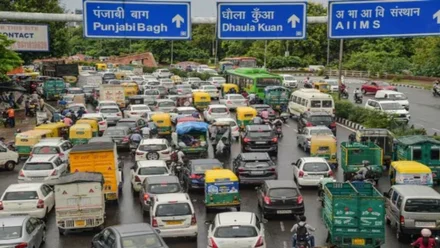
Delhi has long suffered from chronic traffic congestion, air pollution, urban sprawl, and inefficient land use. In response, planners and policymakers have been pushing for more sustainable urban development models. One of the key strategies is Transit-Oriented Development (TOD). Under TOD, land use, transport infrastructure, residences, workplaces, and public amenities are planned in integrated fashion, with public transit stations as hubs, and mixed use, walkable neighbourhoods radiating from them.
In this blog, we explore:
- What TOD means in the Delhi context
- How the TOD policy has been revised and adopted, and where implementation stands
- Key projects already under way or proposed under the TOD framework
- The role of TOD in reducing traffic, vehicle emissions, improving public transit ridership, walkability, etc.
- Challenges & critiques
- What must be done for TOD to deliver a truly traffic-less, pollution-free capital
1. What is TOD & Why It’s Important for Delhi
Transit-Oriented Development (TOD) is an urban planning paradigm that integrates land use and transport planning. Its goals typically include:
- Concentrating high density mixed-use development in zones close to public transit (metro, railway, rapid bus, etc.).
- Ensuring good “last-mile connectivity,” walkability, cycle paths etc.
- Reducing dependency on private vehicles by bringing work, shops, services, recreation closer to where people live.
- Lowering vehicular congestion, travel time, traffic emissions (air and noise), fuel consumption.
- Enhancing quality of life, reducing urban sprawl, preserving green/open spaces.
For Delhi, which has a massive metro system, expanding rail-based transit, multiple rapid transit projects in the pipeline, growing population, and worsening air quality, TOD offers promise: reduce private-vehicle trips, reduce pollution, make commuting more efficient, better use of land.
2. The Delhi TOD Policy: Revision, Key Features, and Policy Instruments
A. The TOD Policy & Its Revision
- The Transit-Oriented Development (TOD) Policy for Delhi was notified by the Central Government on 24 December 2020, as part of the Master Plan of Delhi 2021.
- Later, DDA (Delhi Development Authority) proposed modifications in consultation with mass transit agencies such as Indian Railways, DMRC, NCRTC, DIMTS, and real estate developers, to make the policy more pragmatic and implementable. The revised policy was aimed at making TOD more aligned with public interest.
B. Key Features of Delhi’s TOD Policy
Based on what has been published:
- Identification of “influence zones” around transit stations (metro, railway, rapid transit) where mixed use, higher density development is allowed.
- Integration of upcoming modes of transit such as Metro Lite, Metro Neo, BRTS, LRT, etc., so that TOD is not only for metro but for newer/first/last-mile modes as well.
- Requirements for mixed-use development (residential, commercial, civic, institutional) so people don’t need to make long trips for basic needs.
- Better walkability, pedestrian friendliness, non-motorised transport (cycling, walking paths), active frontages, parking controls and building design norms in TOD zones.
- Mandatory provisions for open / green spaces in TOD zones: in some nodes up to 30% of total area with at least 20% as public green/open space.
- Development of multi-modal hubs: ensuring connectivity among rail, metro, buses, last-mile options within single or coordinated precincts (concourse level or integrated under one roof). Some transit nodes are being specifically identified for this.
C. Locations Identified for TOD
In its revisions, Delhi has already identified several stations / transit nodes to be developed under the TOD policy:
- 12 transport hubs / transit locations: For example, Kashmere Gate; Nizamuddin / Sarai Kale Khan; Anand Vihar; New Delhi Railway Station; Dwarka Sector 21; Dwarka Sector 8-14 corridor; Jangpura / RRTS station; Haiderpur Badli Mor Metro station; Rohini Sector 18; Mukundpur; Karkardooma; Trilokpuri Metro station.
- These are intended to become high-density, mixed-use, multi-modal hubs under the revised policy.
3. What Delhi Has Started Doing Under TOD & Related Measures
While policy is strong, implementation often lags. Here are some of the concrete efforts in Delhi that align with or support the TOD objectives, which help reduce traffic and pollution.
A. Revised TOD Developments & Mixed-Use Projects
- In transit nodes like Karkardooma along the Pink Line, commercial real estate is being developed in connection with metro stations. The project will include mixed-use development with residences, basic amenities, etc.
- NBCC (National Buildings Construction Corporation) is executing projects in TOD style, integrating community amenities, shopping, etc., in places close to transit.
B. Policy Enforcement & Green Norms
- Additional controls in the revised policy: parking norms, active frontage, building design, walkable precincts etc. These ensure that TOD zones are not just high density, but also pedestrian and environment friendly.
- Amendment of Development Control Regulations (DCR) in these zones, to allow higher floor area ratio (FAR), mixed use, and more compact development. (This is implied in policy updates; specific project permissions have been aligned.)
C. Infrastructure & Connectivity Enhancements
- Last-mile connecting buses, rationalisation of bus routes, enhancing feeder services to metro stations, integrating transit modes. While these are not strictly TOD in land-use, they are vital for making TOD work by ensuring people can reach transit easily. (Some route rationalisation in Trans Yamuna region: 18 routes identified to improve connectivity to metro hubs.
- Signal synchronization (e.g., in East Delhi intersections) to reduce waits and ease traffic flow, which helps reduce emissions from idling traffic.
D. Master Plan & Long-Term Vision
- The Master Plan of Delhi 2041 sets ambitious targets: one of them is to reduce private vehicle dependency drastically, with a modal split target of 80:20 in favour of public/shared transport. This means targeting only 20% of trips being by private vehicles in time.
- TOD features prominently in the draft Regional/Delhi 2041 Plan: nodes, walkability, mixed land use along transit corridors.
4. How TOD Helps Reduce Traffic and Pollution – The Mechanism
Walking through how exactly TOD contributes toward a traffic-less, pollution-free city helps us understand why governments are investing in it.
A. Reduced Private Vehicle Trips
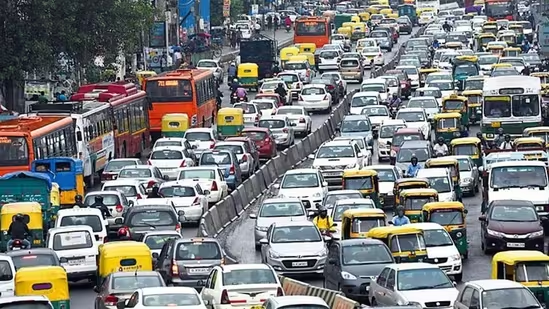
By bringing jobs, services, shopping, recreation, schools, etc. closer to homes (especially in transit influence zones), people are less compelled to use cars for daily errands or commutes. When people can walk, cycle, or use public transit easily, they leave private cars idle.
B. Increased Public Transit Use
When transit stations are surrounded by dense, mixed-use development, ridership on metros, buses, rapid transit goes up because people can access transit conveniently. Also, multi-modal hubs reduce transit “dead time” (e.g. people waiting or walking long distances).
C. Shorter Trips, Less Idling, Fewer Emissions
If distances are shorter, less fuel is consumed. Less time spent in traffic (idling or stop-go) reduces pollutant emissions from vehicles. This also reduces stress for drivers and commuters and lowers fuel waste.
D. Less Sprawl, More Efficient Land Use
TOD discourages low-density sprawl which leads to long commutes. Instead, compact development uses land more efficiently: preserving green/open spaces, reducing infrastructure costs (roads, utility lines, etc.), and cut-down on emissions from vehicles travelling from peripheries.
E. Encouraging Non-Motorised Transport & Clean Transport
Walkability, safe pedestrian paths, cycle lanes are part of TOD. Also focus on feeder/last-mile transport (electric buses, shared mobility, etc.) helps reduce reliance on private fossil fueled vehicles.
5. How Far Delhi Has Come: Metrics & Assessment
Turning policy into reality takes time. Here’s how Delhi is doing to date under TOD, and what impact is visible.
A. Policy Adoption & Institutional Change
- Revised TOD policy is officially approved, modifications made, nodal agencies identified.
- Key transport-hubs / nodes are identified (12 hubs). Projects around some are underway / in planning.
B. Projects & Developments
- Mixed-use development at selected nodes, such as Karkardooma station, is underway.
- Some nodes have seen green space and pedestrian infrastructure being built or designed.
C. Supporting Measures & Traffic Mitigation
- Rationalization of bus routes (ex: Trans Yamuna region) to improve connectivity to transit hubs.
- Signal synchronization in busy junctions to reduce congestion and idle time.
- Government office staggered timings to reduce morning peak congestion.
D. Challenges in Measuring Impacts
While some policy and project work has been done, measuring tangible improvements in traffic congestion, pollution levels directly because of TOD is harder. Delhi continues to experience high levels of air pollution, especially in winter months. Some recent steps (vehicle restrictions, pollution control) are reactive rather than structural. So far, TOD is part of the long-term plan rather than the immediate solution to all of Delhi’s pollution+traffic problems.
6. Challenges & Criticisms
Implementing TOD is not easy. There are multiple obstacles that Delhi faces. Understanding them helps in shaping what more is needed.
A. Land Acquisition, Regulatory Hurdles, Costs
- Acquiring land around transit stations for mixed-use high density development is difficult: legal, financial, existing ownership issues.
- Regulatory clearances, coordination among multiple agencies (DDA, DMRC, railways, local bodies, private developers) slow projects.
- High cost of construction, infrastructure (water, sewage, roads, last-mile connectivity) in already dense areas can be a barrier.
B. Transport Capacity & Quality
- The transit infrastructure (metro, buses) must be reliable, frequent, affordable. If people cannot rely on public transit, they may still prefer private vehicles.
- Last mile connectivity remains a weak link: getting people from station to final destination cleanly, safely, and comfortably.
C. Behavior & Lifestyle Choices
- Even with TOD zones, people may still prefer private vehicles for comfort, visibility, status, or due to poor transit or poor sidewalks / walking/cycling conditions.
- Parking incentives or non-planning for parking controls can undercut TOD goals if parking is too generous or uncontrolled.
D. Enforcement & Implementation Gaps
- The policy may exist on paper, but actual enforcement of norms (walkable paths, active frontage, parking, green/open space allocations) can lag.
- Political / developer pressures may lead to relaxations of norms or delay in execution.
E. Need for Complementary Measures
- TOD alone cannot solve everything. Pollution from sources other than traffic (industry, stubble burning, construction dust etc.) also need to be controlled.
- Measures like restricting high pollution vehicles, improving fuel quality, EV adoption, road maintenance and dust control are also essential.
7. What More Needs to Be Done for Delhi to Become Truly Traffic-Less, Pollution-Free via TOD
Given what has been done, here are what experts and planners suggest Delhi should focus on next to realize the promise of TOD.
A. Strengthening Implementation
- Fast-tracking approvals and clearances for TOD nodes, enabling private-public partnerships, incentivizing developers to adopt mixed use, high density, green building norms near transit.
- Ensuring that DDA, DMRC, NCRTC etc. coordinate deeply—not only in planning but in operations, maintenance and connectivity.
B. Scaling Up Last-Mile Connectivity
- Expand feeder buses, shared mobility (e-rickshaws, cycle sharing), safe walking paths, shade, lighting.
- Prioritize non-motorised transport infrastructure; ensure consistent standards of sidewalks, crossings, shade and comfort, especially in TOD influence zones.
C. Parking Management & Disincentives for Private Vehicles
- Tighten parking norms in TOD zones to discourage car ownership/use; provide enough parking for bikes or two-wheelers but limit private cars.
- Implement pricing on parking, congestion charging (if politically feasible), regulation of external vehicular traffic entering inner TOD zones.
D. Monitoring & Data
- Collect and publish data on changes in traffic, emissions, transit ridership in TOD zones.
- Use air quality monitoring, travel time measurements, user satisfaction surveys.
- Use monitoring to adjust policy, identify underperforming areas, and replicate successful TOD examples.
E. Policy & Fiscal Incentives
- Provide incentives (tax breaks / incentives / floor area bonuses) to developers who build TOD compliant projects—mixed use, high density, green norms.
- Perhaps subsidize or ease costs for upgrading existing older structures near transit to TOD compliant standards (walkability etc.).
- Use value capture financing (e.g., where areas around transit stations appreciate in value, part of that value could be used to fund transit infrastructure / amenities).
F. Public Awareness & Community Participation
- Educate citizens about benefits of TOD: shorter travel times, less air pollution, better quality of life.
- Community engagement in planning neighbourhoods, pedestrian/cycle path design, selecting amenities.
- Encourage citizen adoption of public transit, car-pooling, non-motorised transport etc.
8. Case Studies & Comparisons: Learning from Others
Looking outside Delhi, we can see how TOD has been done elsewhere and what lessons might apply.
- Cities like Singapore, Copenhagen, Tokyo etc. have well-integrated land use + public transit, with mixed use nodes, high density, walkability, and restrictions on private vehicle usage in inner zones.
- Even other Indian cities pushing TOD (e.g. Mumbai’s transit-oriented redevelopment along suburban railway and metro) show that nodal developments and mixed use reduce daily commutes and traffic load.
- What has worked: strong regulatory enforcement; integration of transport, land use, and zoning; associated investments in public transit to ensure quality; investment in pedestrian & cycling infrastructure; political will.
Delhi can adapt these lessons (though local geography, politics, history, density, and institutional setups differ).
9. What Implementation Looks Like in a Traffic-Less, Pollution-Free Delhi
Putting together the planned projects and future steps, here is a vision of what Delhi might look like if TOD approaches are fully implemented and effective.
- Most people will live, work, shop, and access services within walkable distance (10-15 minutes) from a transit station.
- Public transit (metro, buses etc.) is frequent, reliable, affordable; feeder/shuttle services, e-rickshaws, shared mobility make last-mile’s painless.
- Pedestrian infrastructure is safe, shaded, well lit; cycle lanes abundant; active streets.
- Private car usage is significantly reduced in inner zones; parking is tightly controlled or expensive; incentives for EVs and clean vehicles.
- Green / open spaces are preserved or increased around transit nodes; mixed-use spaces mean vibrant neighbourhoods, less dead time.
- Emissions from vehicles drop; air quality improves; fewer hours of “severe” AQI; noise pollution declines.
- Less time lost in traffic; better fuel efficiency; improved health for residents; improved quality of life.
10. Conclusion
Delhi’s TOD policy is promising, and many steps have been taken to make it not just policy on paper but something real. The identification of transport nodes, revised policies that allow dense mixed use, walkability, multi-modal integration are all positive. Supporting measures like route rationalisation, signal synchronization, office timings, restricting polluting vehicles also contribute.
But to make Delhi truly “traffic-less” and “pollution-free,” a sustained push is needed. Implementing TOD fully requires coordination, enforcement, investment in transit, last-mile, public awareness, and dealing with broader sources of pollution. It’s a long-term journey, but if Delhi gets TOD right, the payoff will be huge — less time stuck in traffic, cleaner air, more liveable streets.
Read more latest news

