
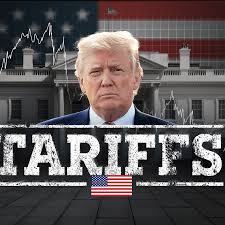
Trump Tariff is Increasing Donald Trump’s Problems: Jobs Decreased and Inflation Broke Records
Introduction
The trade and tariff policies of former U.S. President Donald Trump have always been a matter of heated debate in both political and economic circles. Trump’s tariffs, originally projected as a shield to protect American industries from “unfair” foreign competition, are now backfiring in a way that is shaking the foundations of the U.S. economy. Instead of creating jobs and boosting domestic growth, the tariff hikes have triggered inflationary pressures, disrupted global supply chains, and pushed businesses into a corner where survival itself has become challenging.
This blog will deeply analyze how Trump’s tariff escalation, particularly the recent hike on Chinese and Indian goods, is causing a severe backlash on the American economy. We’ll explore its direct impact on jobs, inflation, industries, households, and even on Trump’s political capital as he heads into another challenging election season.
Background: The Logic Behind Trump’s Tariff War
When Donald Trump first introduced his tariff-centric policies during his 2016 presidential campaign, he packaged them as a pro-American, “America First” initiative. His argument was that:
- China and other countries were exploiting the U.S. market by dumping cheap products, hurting American manufacturers.
- Raising tariffs would push domestic production and bring back jobs that had been outsourced overseas.
- Trade deficits would shrink, making America wealthier and more independent.
In principle, tariffs can be used as a short-term corrective measure. But in practice, Trump’s approach of escalating tariffs into a near trade war has proven to be counterproductive. Instead of boosting jobs and growth, the policy is fueling inflation, reducing competitiveness, and burdening American consumers.
The Tariff Increases and Their Ripple Effect
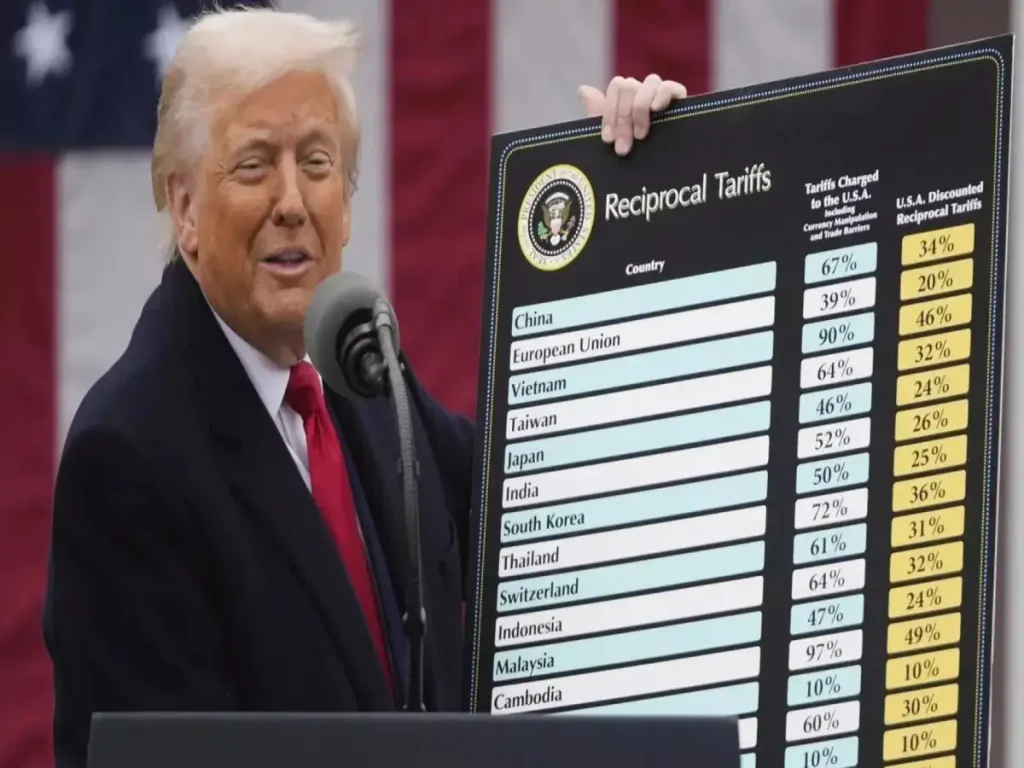
Trump recently increased tariffs on a wide range of imports—ranging from steel, electronics, textiles, cars, and agricultural goods to consumer products. India, China, Mexico, and even European allies are bearing the brunt of these measures.
But the reality is: tariffs are not paid by foreign governments. They are paid by American companies that import goods—and eventually by consumers who buy those goods.
This has led to:
- Price hikes on essential goods – from electronics to clothing to groceries.
- Increased input costs for industries – making it more expensive to produce domestically.
- Supply chain disruptions – as companies struggle to find alternatives.
- Global retaliation – other nations have imposed counter-tariffs, reducing U.S. exports.
The cumulative effect has created an economic whirlpool that is directly hitting American workers and families.
Job Losses: The Harsh Reality
One of Trump’s loudest promises was to create millions of jobs by reshoring industries. Yet, data tells a different story.
- Manufacturing Jobs Declined – Sectors like steel and aluminum, which Trump claimed to protect, have seen layoffs because higher costs made them less competitive globally.
- Farmers Hit Hard – China and India, in retaliation, have reduced agricultural imports from the U.S. Soybean, corn, and dairy farmers are among the worst sufferers, with many losing contracts they once relied on.
- Small Businesses Struggling – For small and medium enterprises, importing raw materials and intermediate goods has become costlier. Unable to compete, many are laying off workers or shutting down.
- Tech and Retail Layoffs – Big retail chains dependent on imports from Asia are also trimming their workforce, while tech firms face rising costs for components.
The net result is stark: instead of creating jobs, the tariff war has eroded them.
Inflation: Breaking Records
Inflation has become the most alarming consequence of Trump’s tariff war.
- Consumer Prices Rising – Everyday products like clothing, furniture, home appliances, and even groceries have seen record price increases.
- Energy Costs Surge – Retaliation by oil-producing nations and disruptions in trade have added to fuel price hikes, further fueling inflation.
- Housing and Construction – Tariffs on steel, aluminum, and timber have made construction materials expensive, driving housing costs upward.
- Medical Equipment and Drugs – Tariffs on imported medical supplies have indirectly increased healthcare costs.
In effect, the tariffs function as a hidden tax on the American people. Each hike in tariff translates into more dollars out of pocket for households. Inflation is eating into wages, erasing whatever gains workers might have had.
Political Fallout: Trump Under Pressure
Economics aside, the tariffs are fast becoming a political liability for Donald Trump.
- Loss of Popularity Among Farmers – Once one of Trump’s strongest support bases, farmers now feel betrayed as they struggle with falling exports and rising costs.
- Middle-Class Anger – With inflation squeezing household budgets, middle-class voters are questioning whether Trump’s economic policies truly serve them.
- Corporate Pushback – Business lobbies, which initially supported Trump’s protectionist stance, are now voicing frustration as profits shrink and job cuts mount.
- Global Isolation – Trump’s trade wars are also isolating America diplomatically, making it harder to build alliances for global challenges.
All these factors are painting a picture of a leader whose flagship policy—tariffs—is turning into his Achilles heel.
The Global Ripple Effect
Trump’s tariff war doesn’t just affect America; it shakes the global economy.
- China Strengthens Alternatives – Instead of bowing to U.S. pressure, China is expanding trade ties with Africa, Europe, and Latin America.
- India Diversifies Export Markets – India is moving towards self-reliance while forging stronger ties with countries like Russia and ASEAN nations.
- Europe Frustrated – U.S.-EU relations are strained, with European leaders calling Trump’s policies reckless.
- Global Inflationary Pressure – Disruptions in trade are increasing global prices, hitting developing countries the hardest.
What was meant to weaken America’s competitors is instead strengthening their resolve and pushing them towards alternative alliances.
Case Studies: Real Impact on American Families
- The Farmer in Iowa
- Lost his soybean export contracts to China.
- Selling at reduced prices domestically.
- Struggling with debt as input costs soar.
- The Factory Worker in Michigan
- Employed in a steel-based industry.
- Factory closed after losing competitiveness due to higher raw material costs.
- Now unemployed, relying on temporary work.
- The Retail Customer in New York
- Used to buy affordable electronics imported from Asia.
- Now paying 25–30% higher prices for the same products.
- Household budget stretched thin, cutting back on other expenses.
These examples illustrate how tariffs, rather than “making America great again,” are making everyday life harder for ordinary citizens.
Expert Opinions
Economists across the spectrum have criticized Trump’s tariff hikes.
- Paul Krugman has repeatedly argued that tariffs are “taxes in disguise” and ultimately harm consumers.
- The IMF has warned that prolonged tariff wars could reduce global GDP growth by up to 1%.
- Moody’s Analytics reported that Trump’s tariffs could cost the U.S. economy hundreds of thousands of jobs over time.
Even conservative economists who initially supported Trump’s policies are now questioning their sustainability.
Inflation and the Election Factor
With inflation breaking records, the biggest worry for Trump is political timing. The rising cost of living has always been a sensitive election issue in the U.S. A combination of high prices, falling jobs, and political discontent can seriously damage Trump’s prospects of reelection.
- Swing States like Wisconsin, Michigan, and Pennsylvania, which Trump needs to win, are among the hardest hit by tariff-induced layoffs.
- Farm States like Iowa and Kansas are feeling betrayed.
- Urban Voters are furious about price hikes in essential goods.
If inflation persists, Trump’s campaign message of “economic nationalism” could backfire dramatically.
Can Trump Reverse the Damage?
Reversing the economic damage is easier said than done. Options available:
- Rolling Back Tariffs – Politically risky for Trump, as it may be seen as a retreat.
- Subsidies for Farmers and Industries – Short-term relief, but adds to fiscal burden.
- Trade Negotiations – A possible solution, but Trump’s aggressive style has alienated many partners.
- Domestic Reforms – Long-term solutions like investing in innovation and infrastructure, but they lack the quick political impact Trump seeks.
The Road Ahead
The tariff gamble that Trump thought would bring him political mileage is increasingly proving to be a double-edged sword. With inflation at record highs and job creation stalling, the American people are asking hard questions.
While Trump may continue to sell tariffs as a symbol of “toughness” against China and others, the ground reality tells a different story. Economic pain at home could overshadow any political gains abroad.
Conclusion
Donald Trump’s tariff policy, which was once hailed by his supporters as a bold move to protect American interests, has now become a source of widespread discontent. Jobs are disappearing, inflation is breaking records, and America’s global standing is eroding.
Instead of strengthening the U.S. economy, the tariff wars are weakening it from within—squeezing workers, burdening families, and alienating allies. As the 2025 political battle intensifies, Trump’s tariff gamble may well turn into his greatest liability.
The irony is stark: what was meant to “Make America Great Again” is instead making everyday Americans pay a heavier price than ever before.

