
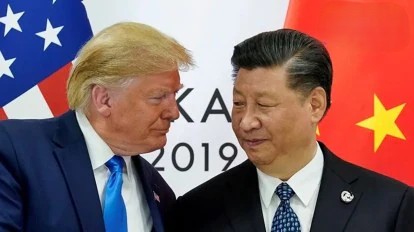
Why is China‘s ‘Zero Tariff’ More Worrying than Trump’s Tariff?
Introduction: The Silent Trade War
China tarif For years, trade wars have dominated headlines — particularly during Donald Trump’s presidency, when he slapped massive tariffs on imports from multiple countries, including India and China. The world debated the impact of tariffs, rising costs, and supply chain disruptions.
But now, another economic strategy is emerging from— the “zero tariff” policy — and surprisingly, it could be far more worrying than Trump’s aggressive tariff war. While Trump’s tariffs were visible, blunt, and easy to retaliate against, zero tariff strategy is subtle, clever, and potentially far more damaging in the long run.
This blog will explore why Beijing’s zero tariff move has global leaders on alert, how it could reshape global trade, and why it poses a special challenge to countries like India.
What Does “Zero Tariff” Mean?
A tariff is simply a tax on imports. Traditionally, countries impose tariffs to protect domestic industries, raise revenue, or retaliate against unfair trade practices.
- Trump’s approach: High tariffs to protect U.S. industries and punish rivals.
- China’s approach: Eliminating or reducing tariffs for certain partner countries to gain economic and political leverage.
So, when China implements zero tariffs, it means that partner countries can export goods into without paying import duties. On the surface, it sounds generous. But in reality, it is part of a grand strategy to dominate global markets.
Why China’s Zero Tariff Policy is Dangerous
1. Strategic Dependency Creation
China is offering zero tariffs primarily to developing countries, especially in Africa, Asia, and Latin America. This makes these countries economically dependent on Chinese markets.
For example, if an African country finds it cheaper to export its agricultural goods to than anywhere else, it slowly becomes locked into the Chinese orbit. Once dependency is created, China gains the power to dictate terms.
2. Weaponizing Generosity
Unlike Trump’s visible tariff walls, China’s zero tariff policy looks generous and cooperative. But generosity can turn into a weapon of control. Once countries get used to duty-free access, can suddenly change rules, impose conditions, or withdraw benefits, destabilizing economies.
3. Undermining Global Competitors
Zero tariffs make Chinese markets extremely attractive. Competing exporters from countries like India may struggle to match the incentives China offers to its partner countries. Over time, this could erode India’s share in global exports.
4. Dumping Strategy
Zero tariffs also make it easier for to dump surplus goods in partner countries without facing trade barriers. This can wipe out local industries and create long-term monopolies for Chinese companies.
5. Geopolitical Ambitions
Every trade concession from is tied to political loyalty. By offering zero tariffs, Beijing strengthens its Belt and Road Initiative (BRI) network and builds influence over governments in Asia and Africa.
Comparing Trump’s Tariff War vs. China’s Zero Tariff
| Feature | Trump’s Tariff War | China’s Zero Tariff Policy |
|---|---|---|
| Approach | Punitive, aggressive | Subtle, attractive |
| Goal | Protect U.S. industries, punish rivals | Gain economic leverage, build dependencies |
| Impact on prices | Higher costs for consumers | Short-term price relief, long-term monopolization |
| Visibility | Highly visible, media-focused | Quiet, diplomatic |
| Reaction | Easy retaliation by affected countries | Hard to oppose without seeming anti-trade |
| Global perception | Negative, confrontational | Positive at first, but strategically dangerous |
This comparison shows why China’s method is more insidious. While Trump’s tariffs were disruptive, they were temporary and negotiable. China’s zero tariffs could reshape entire trade ecosystems permanently.
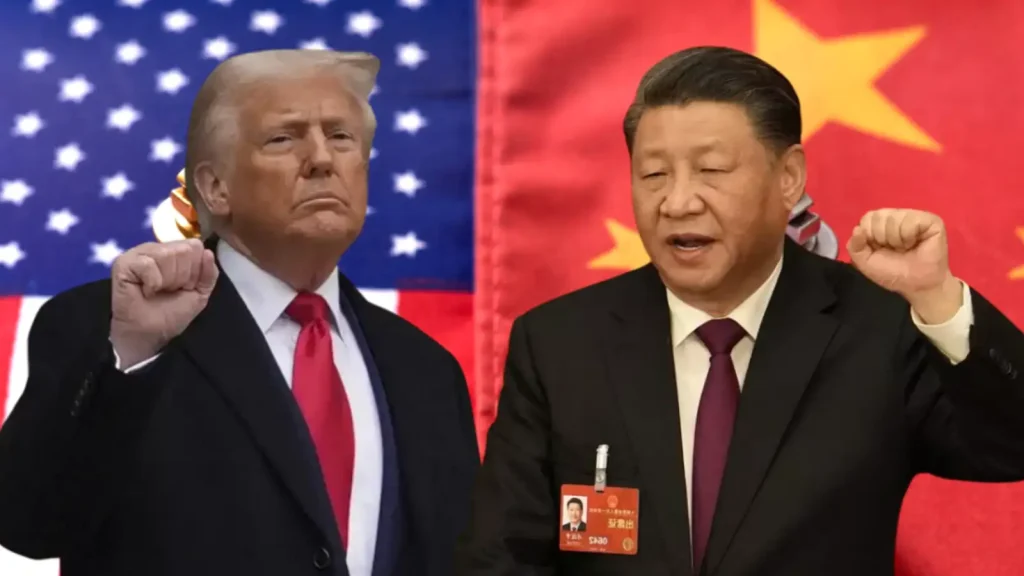
The Indian Angle: Why Should India Worry?
1. Competition in Export Markets
India’s exports, especially textiles, pharmaceuticals, and agricultural products, compete with those of many developing nations. If offers zero tariffs to those nations, they gain a competitive edge, leaving Indian exporters behind.
2. Loss of Strategic Partnerships
Countries in South Asia and Africa are important export markets for India. If dominates these markets through duty-free trade, India risks losing strategic allies.
3. Impact on Make in India
Prime Minister Modi’s “Make in India” initiative depends on boosting manufacturing and exports. But China’s tariff-free model could undercut Indian goods, making it harder for India to capture global market share.
4. Geopolitical Marginalization
China is not just playing economics — it’s playing power politics. By offering economic favors, it wins diplomatic support, even on issues like Taiwan, South Sea, or border disputes with India.
5. Trade Imbalance
India already has a massive trade deficit with China, importing far more than it exports. Zero tariffs could worsen this imbalance if Indian markets become flooded with Chinese goods at cheaper rates.
Historical Lessons: China’s Playbook of Control
China’s strategy is not new. It has used similar methods in the past:
- Debt Trap Diplomacy: Through the Belt and Road Initiative, offered cheap loans, which later turned into control over ports and infrastructure (e.g., Sri Lanka’s Hambantota Port).
- Rare Earth Exports: China once restricted rare earth mineral exports to Japan during a dispute, showing how economic dependency can become a weapon.
- Africa Trade: China has already captured African markets by flooding them with cheap goods, undermining local manufacturing.
Now, the zero tariff policy is the next step in this playbook.
How the World is Reacting
- United States: The U.S. sees zero tariffs as part of China’s broader strategy to expand influence in the Global South.
- European Union: The EU is concerned about unfair trade practices and the risk of market distortion.
- Developing Nations: Many poorer countries initially welcome zero tariffs, but economists warn they may become over-reliant on Beijing.
- India: Indian policymakers are carefully watching, aware that this could undermine India’s Act East and Africa outreach policies.
Why Zero Tariffs Hurt More than Tariffs
- Tariffs are visible walls; zero tariffs are invisible traps.
- Tariffs can be negotiated down; zero tariffs create one-way dependency.
- Tariffs protect domestic industries; zero tariffs destroy foreign competition.
- Tariffs cause short-term pain; zero tariffs cause long-term control.
This is why zero tariff strategy, though less dramatic, is far more worrying than Trump’s tariff wars.
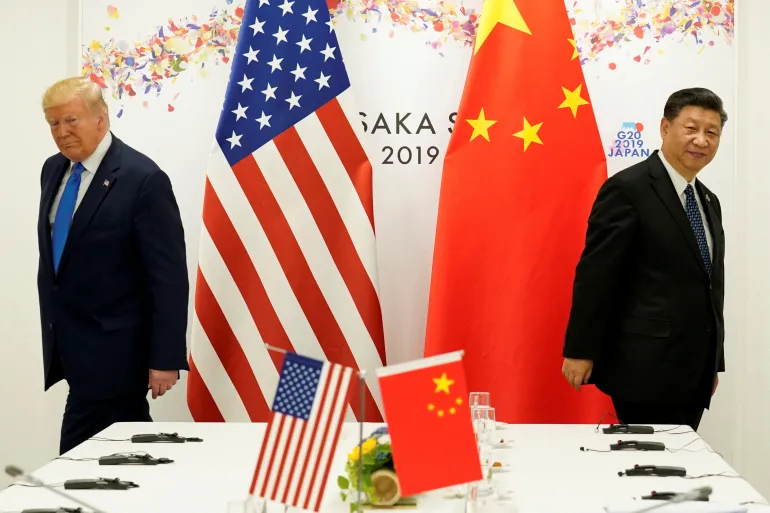
Possible Scenarios for the Future
- China Expands Zero Tariff Network
- More countries sign deals with China, increasing its dominance in Asia, Africa, and Latin America.
- India and other countries face exclusion from key markets.
- Trade War 2.0
- The U.S. and allies may respond with stricter trade rules, decoupling from Chinese supply chains.
- Global trade polarization between China-led bloc vs. U.S.-India-EU bloc.
- India Responds with Its Own Policies
- India may sign preferential trade agreements with Africa and ASEAN to counter.
- Stronger push for domestic manufacturing and exports under PLI (Production Linked Incentive) schemes.
What India Can Do
To counter China’s zero tariff challenge, India must:
- Diversify Markets: Strengthen ties with ASEAN, Africa, Europe, and Latin America.
- Push Free Trade Agreements (FTAs): Sign FTAs quickly with strategic regions before China captures them.
- Invest in Competitiveness: Boost Indian industries with subsidies, tech upgrades, and infrastructure.
- Leverage Quad & Allies: Partner with the U.S., Japan, and Australia to create alternative trade networks.
- Protect Local Markets: Implement safeguards against dumping of cheap Chinese goods.
Conclusion: A Subtle But Serious Threat
Donald Trump’s tariffs made headlines, sparked debates, and disrupted global supply chains — but they were a visible battle. China’s zero tariff policy, on the other hand, is a silent war being waged in trade corridors and diplomatic meetings.
For India, the threat is real. If unchecked, China could use its tariff-free generosity to lock nations into its orbit, leaving India marginalized in the global economy.
The world must recognize that sometimes, the absence of tariffs is more dangerous than their presence. Zero tariffs may sound harmless, but they could turn out to be Beijing’s most effective weapon in reshaping the global order.
Read more latest news

